Last updated November 22, 2026
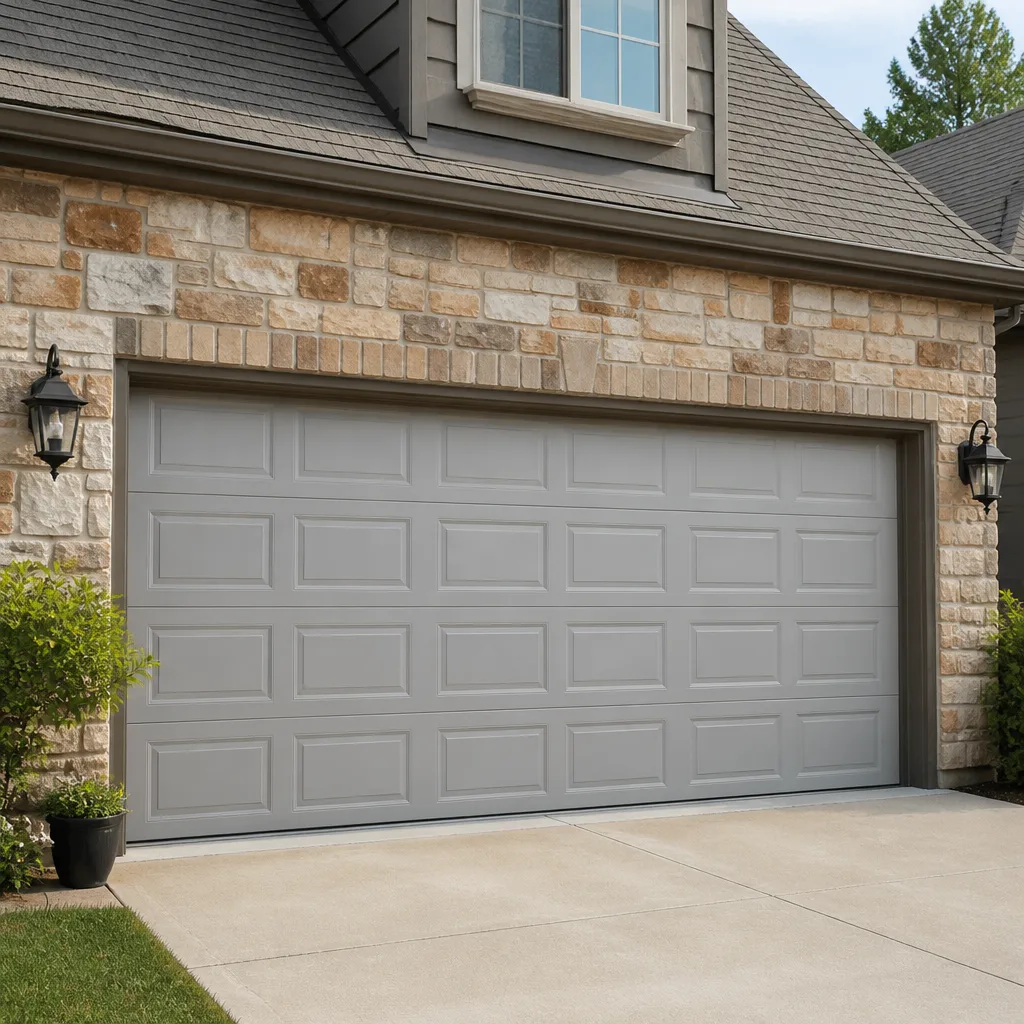 Raised-panel steel
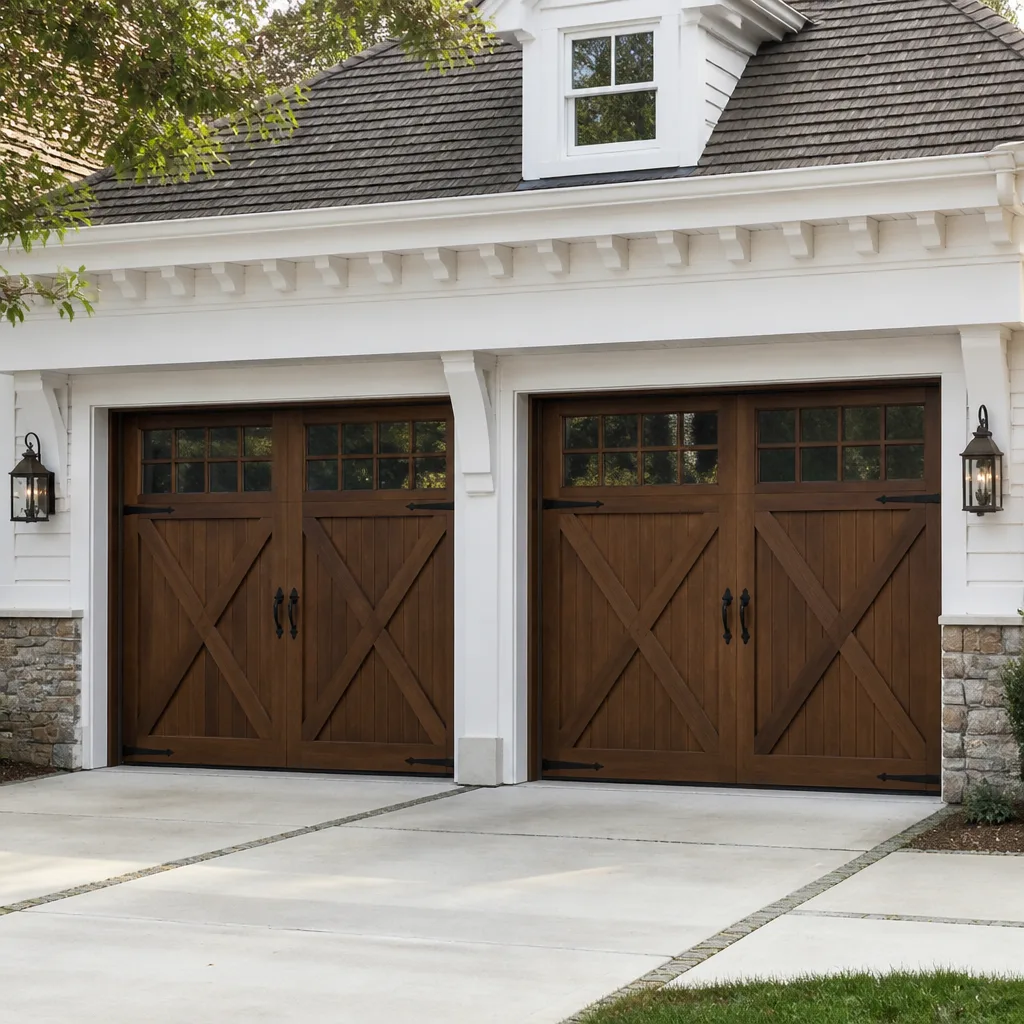 Carriage house
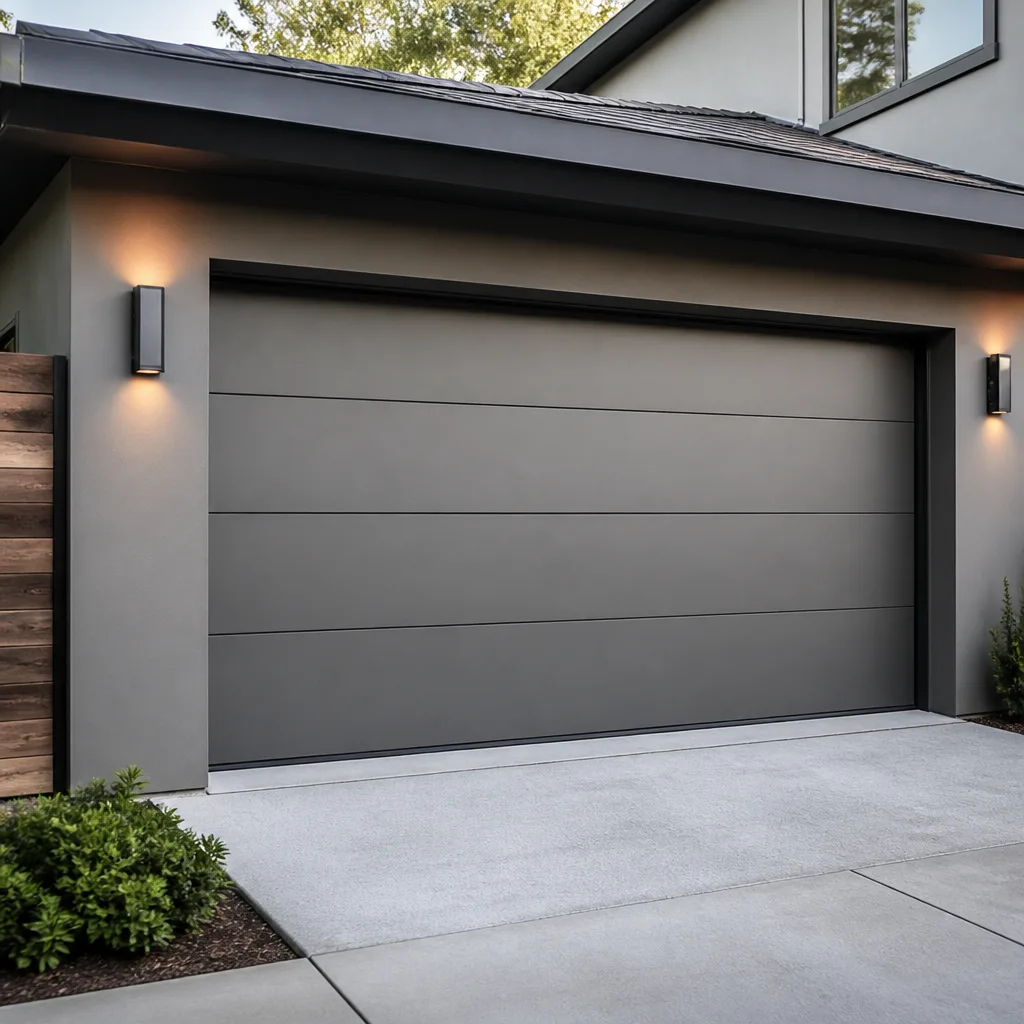 Modern flush
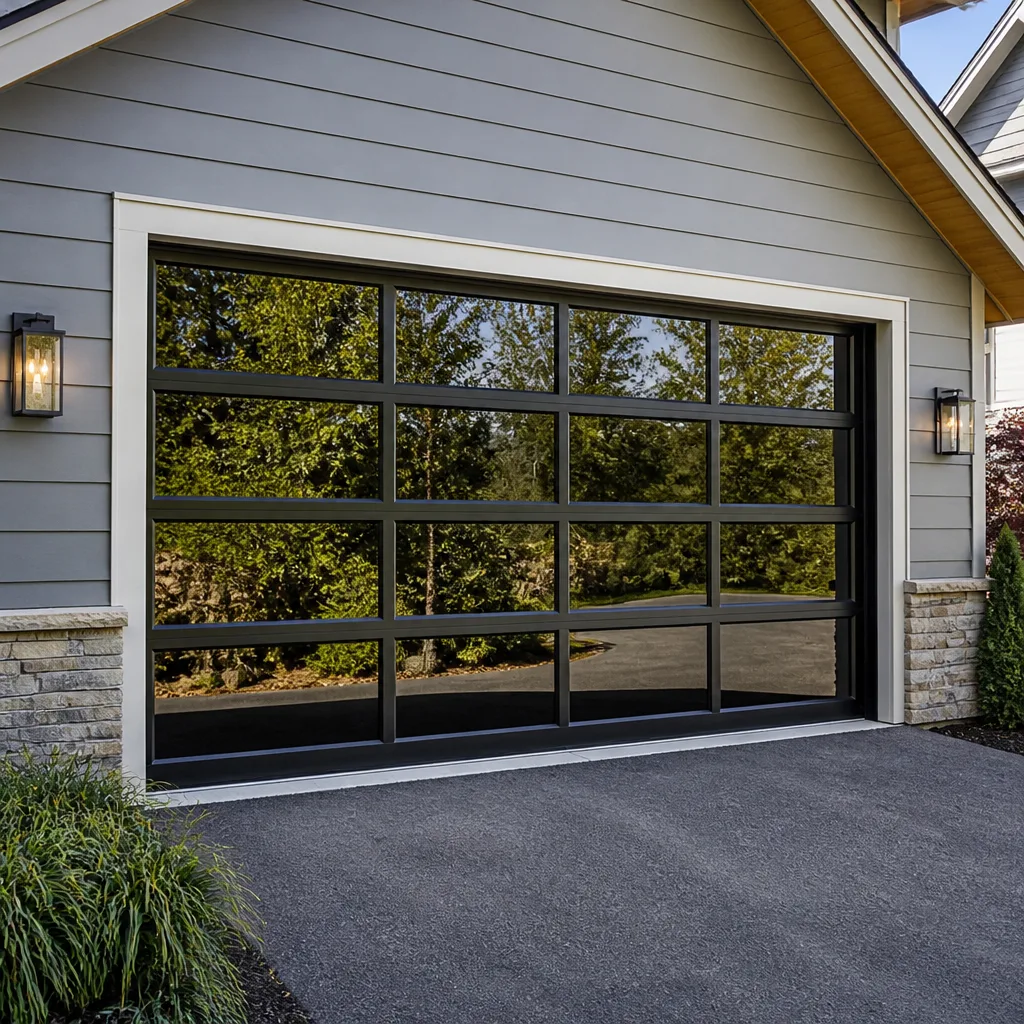 Full-view glass
 LiftMaster openers
 Chamberlain openers
Full 25-point door and opener safety check with every visit - springs, cables, rollers, tracks, and your LiftMaster or Chamberlain opener included
You get a price before we start. It does not change when the pro arrives.
Get your free estimateGarage Door Warning Signs: A Lawrence Homeowner’s Reference Guide
Most garage doors in Lawrence don’t fail without warning. They complain first. A grind that shows up only on the way down, a remote that needs two clicks instead of one, a bottom gap that widens on one side when the temperature drops – these are the door telling you something specific. The trouble is that homeowners hear the noise, shrug, and file it under “old door being an old door” until the thing stops dead with a car trapped inside. This guide decodes the signals. You’ll learn what each sound points to in the drive system, what to look at on springs and cables without touching anything, why a slow door is rarely a small problem, and how to tell an adjustment from an imminent failure. We’re writing it from Lawrence, for doors that live through Lawrence winters.
Quick Answer
The main warning signs of a failing garage door are unusual sounds (grinding, popping, squealing), a door that runs slow or jerky, a visible gap at the bottom on one side, springs with a visible gap in the coil, and an opener that hesitates, reverses, or ignores the remote. Any one of these deserves a look; grinding, popping, or a snapped spring means stop using the door and get it checked before it fails completely.
Styles & brands we work with
- Raised-panel steel
- Carriage house
- Modern flush
- Full-view glass
- LiftMaster openers
- Chamberlain openers
Table of Contents
- What is your door trying to tell you? A sound-by-sound breakdown
- Visual warning signs you can spot from the garage floor
- Why a door that “just runs slow” is never a minor issue
- Uneven gap at the bottom: floor, seal, or cable tension?
- Opener behavior: electrical problem or mechanical one?
- How Lawrence winters accelerate wear
- A triage checklist: what to fix now, what can wait
- Common mistakes to avoid
What Is Your Door Trying to Tell You? A Sound-by-Sound Breakdown
Sound is the most honest diagnostic tool a garage door has, and most homeowners misread it. A grinding noise is not just annoying – in a torsion spring system it can be the sound of metal fatigue that’s two days from a full cable failure. Here’s how to separate the noises that mean “grease it” from the ones that mean “stop using the door.”
- Grinding (metal-on-metal, low and rough): Usually the rollers, the hinges, or the torsion system under load. A single dry roller can grind; a stretched cable dragging on the drum grinds louder. This is the one to take seriously. If the grind is constant through the whole travel, stop operating the door and have it inspected.
- Squeaking (high, rhythmic, following the door’s movement): Almost always friction at the rollers, hinges, or the torsion bar. The least urgent of the group, but it accelerates wear if ignored. A creak that appears only in cold weather often points to a hinge or bearing that needs attention before it seizes.
- Popping or snapping (sharp, sudden, once per cycle): Often the torsion spring slipping on the bar, or a roller jumping its track. Popping that repeats at the same point in the travel is the door’s version of a joint that’s about to give out. Get it looked at.
- Rattling (loose, tinny): Loose hardware – hinge bolts, track brackets, the opener’s chain or belt. Rarely dangerous, easy to tighten, and easy to forget until a bracket works itself free.
- Banging at the end of travel: The door slamming into its stop. Points to a travel-limit adjustment on the opener or a failing spring that no longer balances the door’s weight.
If you can’t tell which of these you’re hearing, describe it to someone who works on doors for a living. Our technicians have up to 15 years of experience across Clopay, Amarr, Wayne Dalton, and Craftsman systems, and the sound usually tells them which part of the drive is struggling before they even open a toolbox.
Visual Warning Signs You Can Spot From the Garage Floor
You don’t need to climb a ladder, and you shouldn’t. A quick look from the floor, hands off, tells you a lot about the two most safety-critical parts of any door: the springs and the cables.
- Look at the torsion spring (the coiled spring on the shaft above the door). A healthy spring is a tight, even coil. A visible gap in the coil – even a small one – means the spring has stretched or fractured and is no longer doing its job. This is a broken spring, and the door should not be operated until it’s replaced.
- Look at the extension springs if you have them (two springs running parallel to the tracks). Check for stretched coils, gaps, or a sagging spring that no longer sits straight. Extension springs are the ones that historically were installed without a safety containment cable; if yours are missing one, that’s worth addressing.
- Check the cables for fraying or slack. Cables run from the bottom corners of the door up to the drums. A frayed cable, a cable hanging slack on one side, or a cable that’s jumped off its drum is a stop-and-call situation. Do not try to re-seat it yourself – the cable is under high tension and can cause serious injury.
- Look for a crooked door. A door that rests visibly tilted at the bottom, or that’s higher on one side when closed, points to unbalanced spring tension, a snapped cable, or a bent track.
- Inspect the rollers. Cracked, flattened, or worn rollers tell you the door is being dragged rather than rolled. It’s a wear item, and it’s cheap to replace before it damages the track.
- Look for rust and pitting. Lawrence winters bring road salt onto the driveway, and salt splash plus freeze-thaw cycles work on hinges and roller bearings. Rust on moving hardware is a slow warning that a part is seizing.
For a broader look at what goes wrong and how it’s handled, see our page on garage door repair. But the safety point stands: springs and cables are under high tension, and the only safe hands on them belong to a trained technician.
Why a Door That “Just Runs Slow” Is Never a Minor Issue
When a homeowner says the door “works, it’s just slow,” that’s the door asking for help. A garage door that’s slowed down is compensating for something. There are three common causes, and they aren’t equally urgent.
1. A binding track or worn rollers (medium urgency). The door is dragging somewhere, and the opener is pushing harder to move it. Left alone, that strain transfers to the opener and eventually to the springs. A track adjustment and a roller replacement usually settle it.
2. Failing springs (high urgency). The spring is the counterbalance; it does most of the lifting so the opener doesn’t have to. As a spring fatigues, the door gets heavier and the opener gets slower. This is a warning that a full spring failure is coming, and when it does, the door can drop. If the door is slow and also feels heavier than it used to when you lift it manually (with the opener disengaged), get the springs checked. Our garage door spring repair page explains what a proper spring job involves.
3. An opener losing its settings or its force adjustment (low to medium urgency). Modern openers have a force limit and a travel setting. When those drift, the door may slow near the top or hesitate mid-travel. That’s an opener issue, not a door issue, and it’s the least urgent of the three – but it should still be diagnosed so it doesn’t hide a spring problem.
In Lawrence, the freeze doesn’t help. Doors that ran fine in October often run slower and harder in January, because cold stiffens lubricant, shrinks the door’s seals, and stresses tired springs. A door that suddenly feels sluggish the first cold week of the season is telling you something was already marginal.
Uneven Gap at the Bottom: Floor, Seal, or Cable Tension?
A gap at the bottom of the door isn’t always a failing part. Sometimes it’s just the floor. Here’s how to sort it out.
- If the gap is even across the whole bottom and only appears when the door is fully closed: It’s probably the bottom seal (the rubber or vinyl strip along the bottom edge). Seals shrink, harden, and tear over time, especially in cold weather. Replace the seal and you’re done.
- If the gap is wider on one side than the other: The door is sitting unevenly. Cause is usually cable tension – one side is pulling tighter than the other – or a spring that’s no longer balanced. This is not a seal problem; it’s a door-level problem, and it should be checked.
- If the gap looks identical on both sides and you can slide a hand under the middle: The floor itself may be uneven, or the door stops travel too early. An adjustment to the opener’s downward limit and a check of the door’s balance will usually fix it. If the floor has settled into a hump or dip, a longer seal or a threshold may be the practical answer.
- If the gap changes with temperature: Some movement is normal as materials contract and expand through the season. A gap that gets worse the colder it gets can still point to a hardening seal or a marginal spring; have it checked before a cold snap does the rest.
The quick test: look at the gap with the door fully closed. Even gap, seal or floor issue. Uneven gap, tension issue. That distinction saves homeowners a lot of guessing and a lot of unnecessary work.
Opener Behavior: Electrical Problem or Mechanical One?
The opener is the door’s brain and its motor. When it misbehaves, the question is always whether the problem is electrical (signal, sensor, wiring) or mechanical (the motor, the drive, or the door itself resisting). The pattern of misbehavior tells you which.
- The door reverses before it touches the floor: Almost always a safety sensor problem – misaligned photo eyes, a dirty lens, or something in the path of the beam. It’s the most common opener “fault” and the easiest to sort out. Note: never disable the sensors to “make it close.” They exist because a door can crush.
- The door reverses on the way up, or stops partway and won’t continue: That’s a force-limit issue, and the cause is usually a mechanical problem the opener is responding to – a binding door, a failing spring, or a bound track. The opener is doing its job by refusing to push through it.
- The remote works sometimes, delays, or needs a hard press: Points to signal interference, a weak battery, or the opener’s receiver. Extremely common in denser neighborhoods where many openers, wireless devices, and routers share the air. If one remote works and another doesn’t, it’s the remote.
- The opener hesitates when you press the button, then runs: Can be the motor’s start capacitor, the logic board, or a mechanical drag. Diagnosis matters: throwing parts at an opener is expensive and usually unnecessary. See our garage door opener repair page for how we sort electrical from mechanical.
- The opener runs but the door doesn’t move: The drive is compromised – a stripped gear, a broken chain, or a disconnected trolley. The motor works; the coupling doesn’t.
One more opener signal: if the opener has gotten louder and the door has gotten slower at the same time, that’s not an opener problem at all. It’s a door problem the opener is being forced to work against. A LiftMaster or Genie opener is a precision device; a struggling door can wear it out faster than the opener’s own motor would ever fail on its own.
How Lawrence Winters Accelerate Wear
Every warning sign in this guide shows up earlier and louder in Lawrence than it would in a mild climate. The reason is the seasons, not the doors.
Lawrence winters bring a freeze-thaw cycle that finds every crack and hinge in a garage door. Metal contracts in the cold and expands in the thaw. Lubricant stiffens. Rubber seals harden. Torsion springs in a cold garage carry load differently than they do in summer, and a spring that was already fatigued will often fail on the first genuinely cold morning of the year. Road salt on the driveway adds a second problem – salt splash and humidity work on the rollers, hinges, and bottom brackets. It’s why we see a spike in calls each season for the same handful of failures: snapped springs, stiff doors, and dragging rollers.
The practical takeaway for Lawrence homeowners is a two-step check. In late fall, before the cold sets in, look at your springs and cables from the floor and listen for new noises on the door’s travel. And during the cold months, if the door starts running slower or making a noise it didn’t make the week before, take it seriously. A door that’s marginal in spring is a door that’s failing by January.
Hail isn’t usually something to plan around here, so if you get damage on the door’s panels it’s more likely from impact (a car, a ladder, a swinging object) than weather. We look at those as repair or panel-replacement questions, not storm claims.
A Triage Checklist: What to Fix Now, What Can Wait
Not every warning sign is an emergency. But the wrong call – “I’ll deal with it next month” – is what turns a spring replacement into a fallen door, a bent track, and a much bigger job. Here’s how we’d triage a Lawrence door.
- Stop now, don’t operate the door: A snapped spring (visible gap in the coil), a frayed or slack cable, a door that’s dropped on one side, or a grinding noise through the whole travel. These are safety issues. Keep the door closed and call for service.
- Have it looked at this week: A door that runs slow and feels heavy, visible rust on springs or cables, popping at the same point in the travel, or an opener that reverses or stops partway. These are warning signs, not yet failures, and fixing them prevents a bigger one.
- Fix on the next service visit: A squeak at the rollers, a rattling hinge, an even gap at the bottom that’s the seal, a remote that needs a new battery, or a door that’s off its center track by a fraction.
If your door fits into more than one category, it belongs in the worst one. That’s not a sales line – it’s how safety works. And if you’re not sure which category you’re in, that’s the moment to call. A free estimate and a five-minute look will sort it out, and a written price will be there before anything is done.
Common Mistakes to Avoid
- Trying to fix a spring or cable yourself. These parts are under extreme tension and can cause serious injury even to experienced hands. A garage floor and a spring are not a DIY project. If a spring looks broken, keep everyone clear and call a trained professional.
- Ignoring a new noise because the door still opens. The door usually opens for days after the warning starts, which is exactly why homeowners wait. That window is when the repair is smallest; after the failure, it isn’t.
- Disabling or jamming the safety sensors to force the door to close. It’s a common shortcut in Lawrence when sensors get knocked by a shovel or a recycling bin. It’s also the shortcut most likely to injure someone. If the door won’t close, fix the sensor alignment or get it looked at.
- Greasing the wrong thing. A shot of WD-40 on the tracks and springs is not a repair. The tracks should be kept clean and dry; the springs and hinges need the right lubricant. The wrong product attracts grit, and grit wears parts faster.
- Replacing the opener when the door is the problem. If the door is binding, a new opener will struggle exactly as the old one did. Diagnose the whole system before buying hardware.
- Letting an insurance or HOA assumption blur the advice. Be straightforward with yourself: a garage door is a mechanical system with safety-critical parts, and the manufacturer’s manuals, the panel’s age, and the actual failure mode dictate the fix, not what’s cheapest this month.
- Assuming a new door is the first answer. Most problems we see are repairs – a spring, a cable, a roller, an opener part – not replacements. Get a diagnosis before you get a quote on a new door.
See the difference
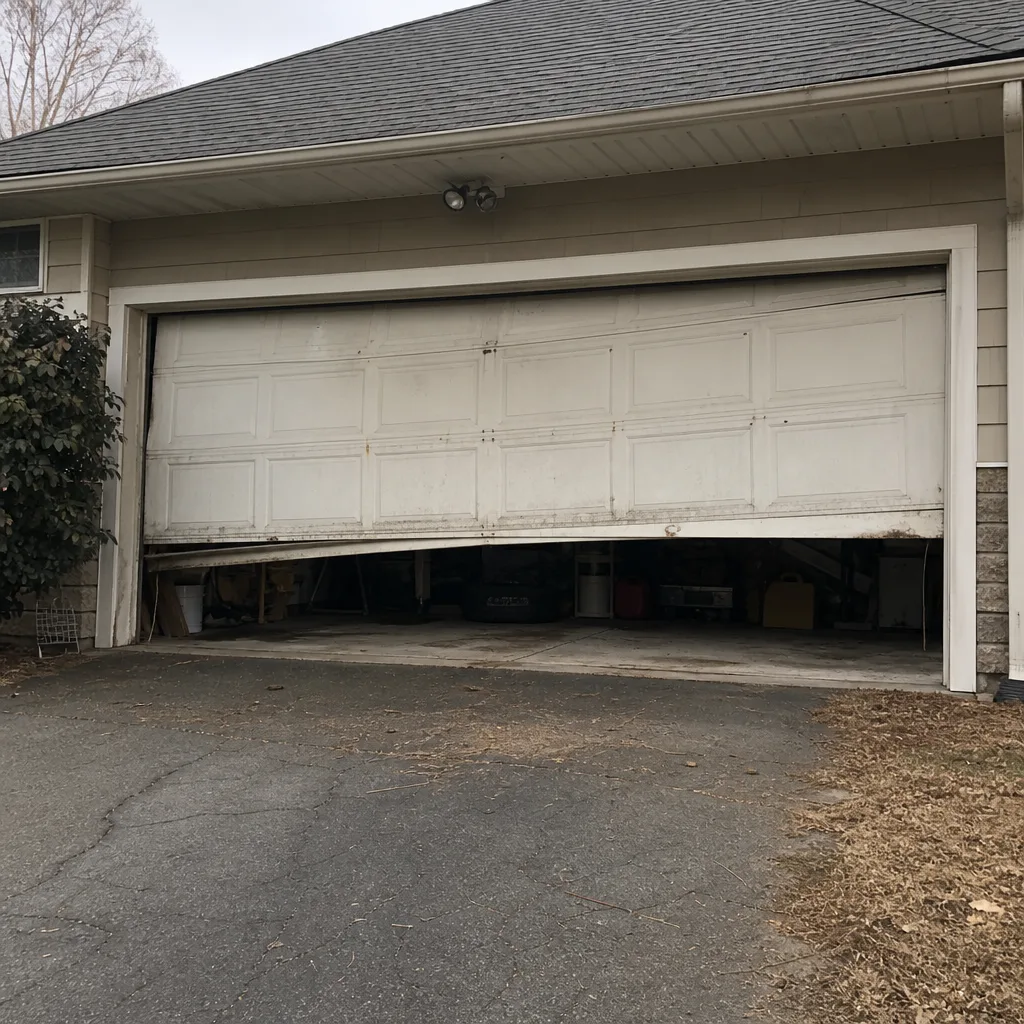 Before
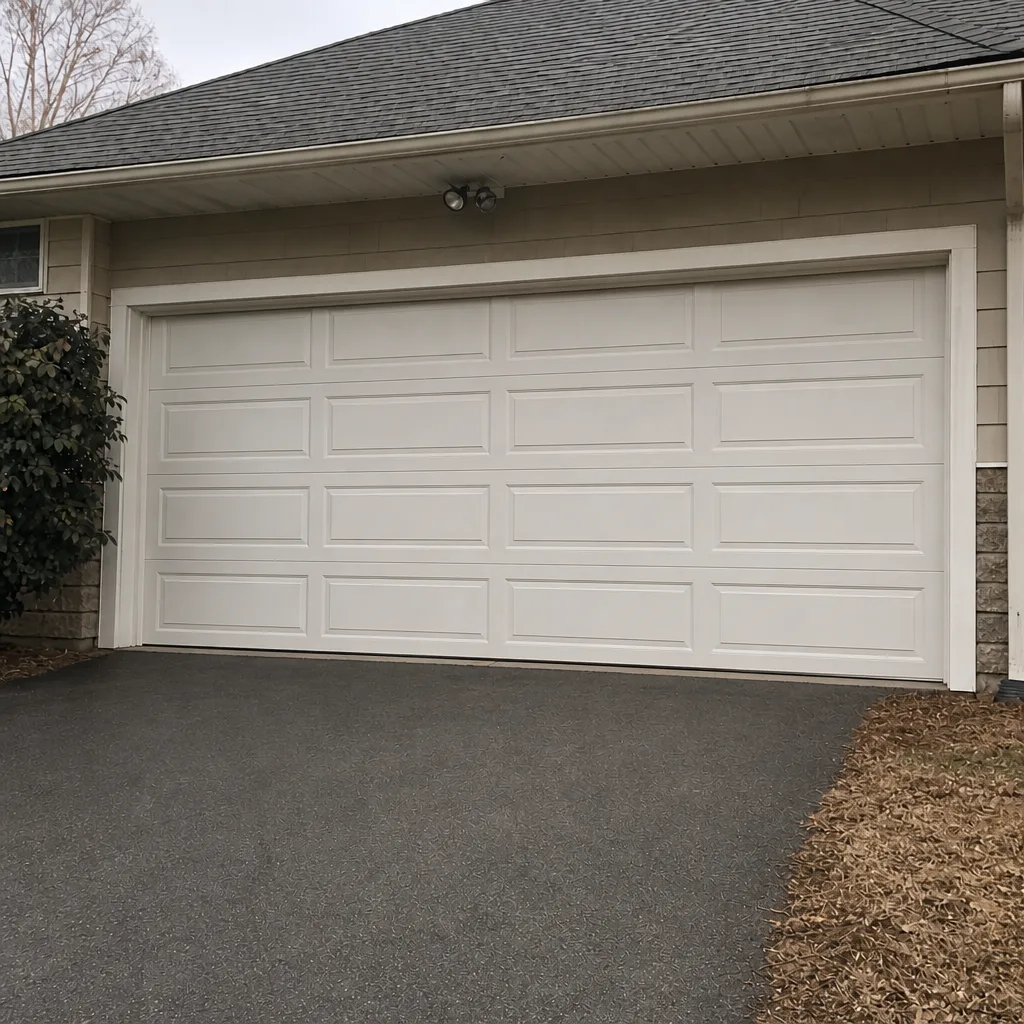 After
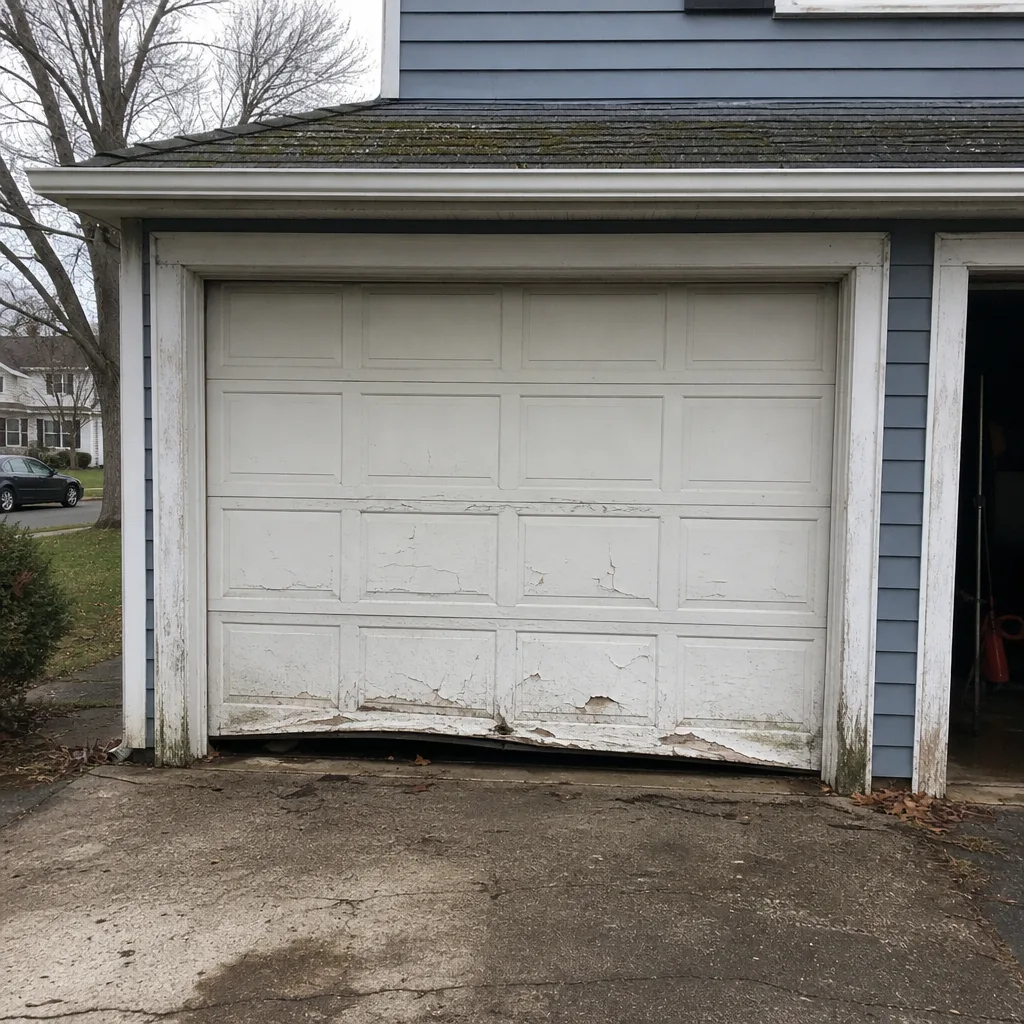 Before
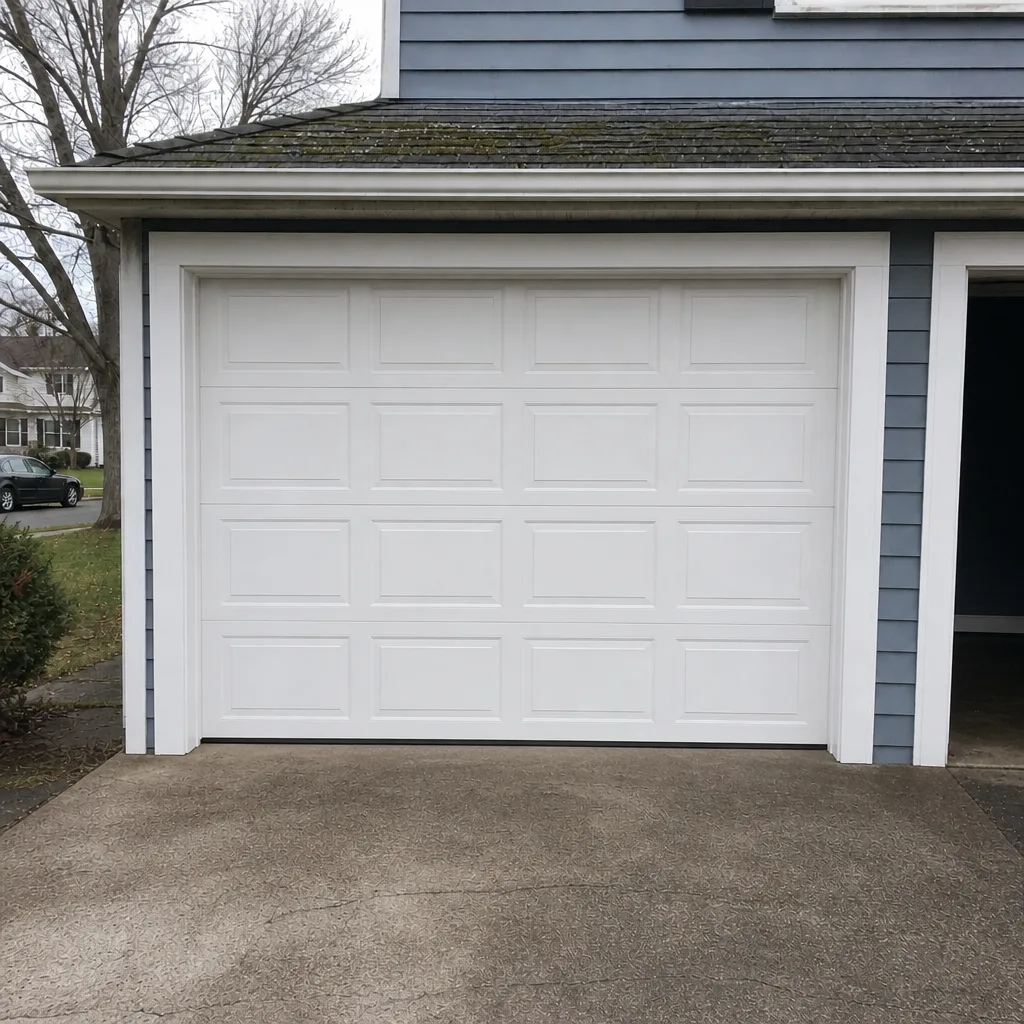 After
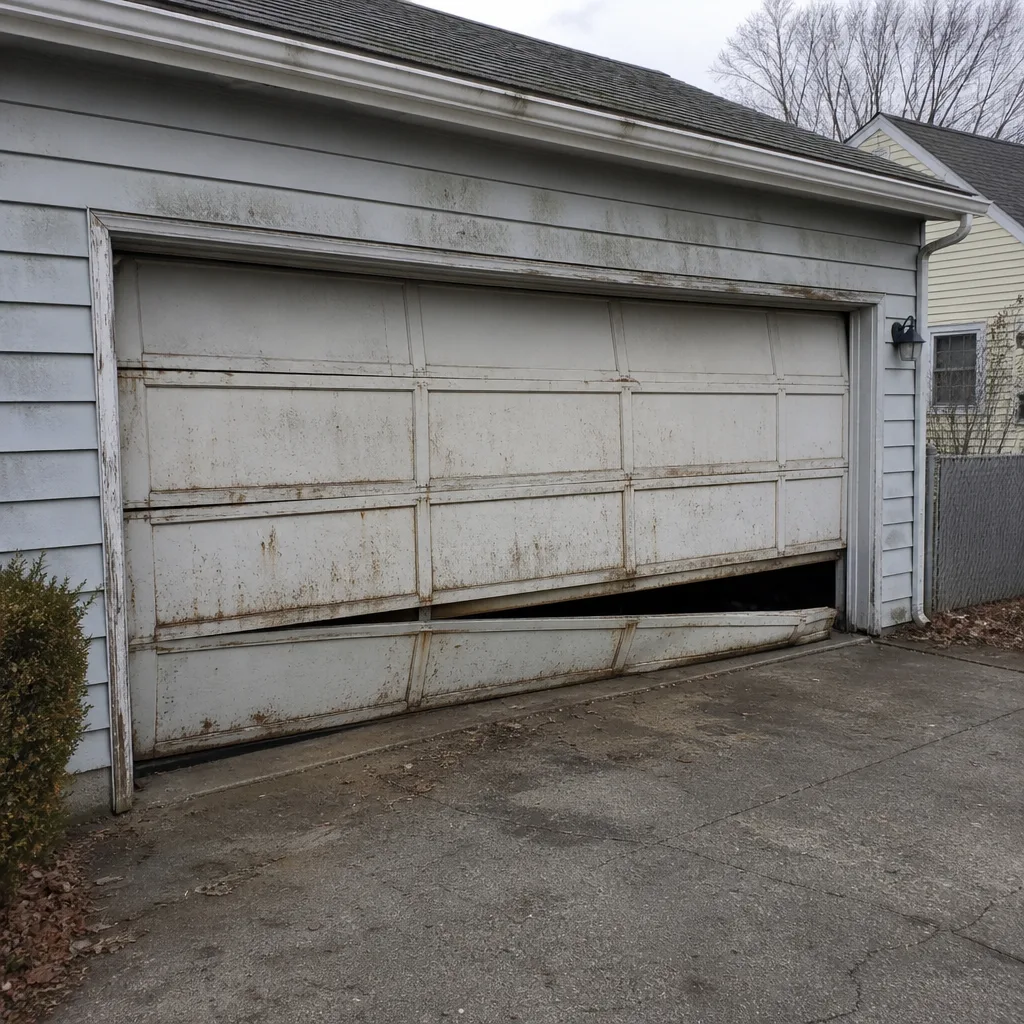 Before
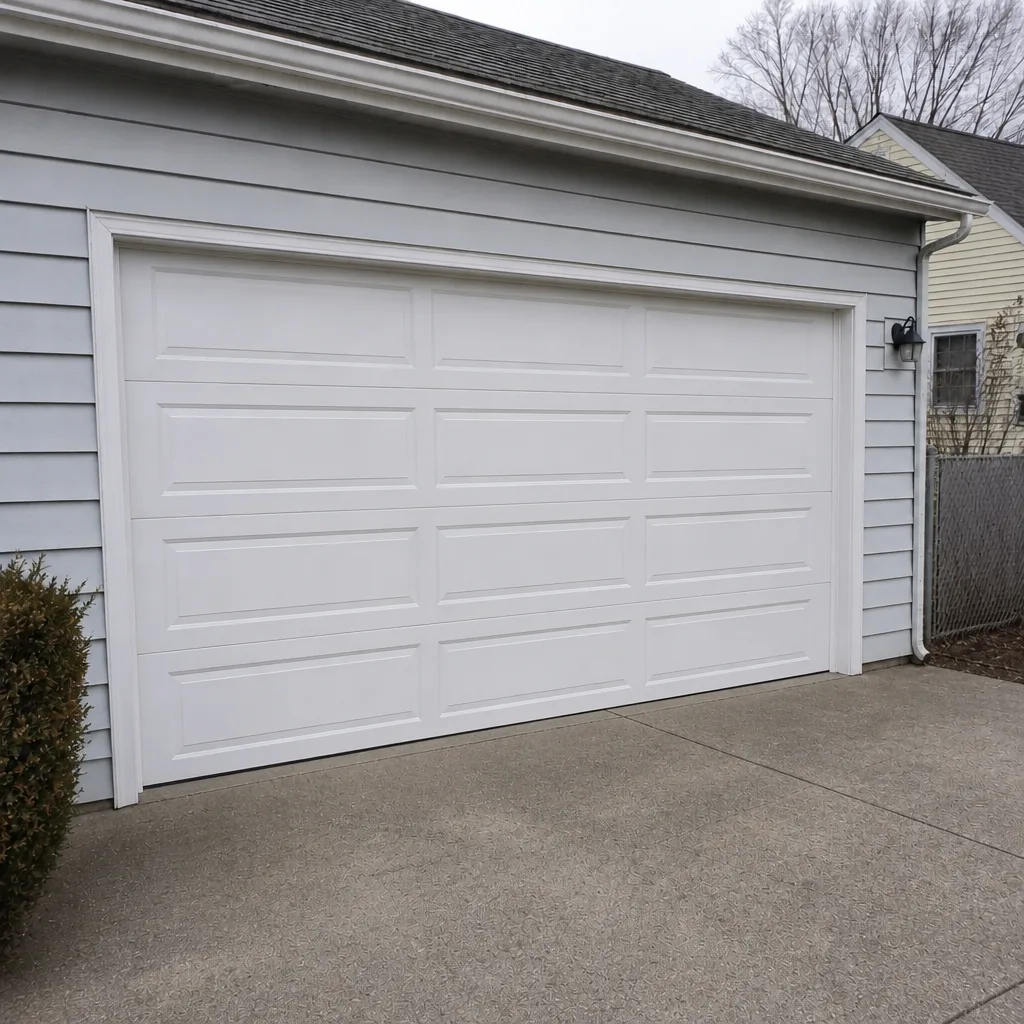 After
When to Call a Professional
Call a professional the same day if you see a gap in a spring, a frayed or slack cable, a door hanging crooked, a door that grinds through its whole travel, or a door that’s stopped moving entirely. Call this week if the door is running slow, the opener hesitates or reverses, the bottom gap is uneven, or you can see rust on the moving parts. And call any time a door won’t open and you can’t wait – a dead door with a car trapped inside is a genuine emergency, and we’re set up for it, not just standard hours. Lawrence Garage Door Repair Co offers free estimates in Lawrence – call (877) 492-1952. Our technicians have up to 15 years of experience, we cover Clopay, Amarr, Wayne Dalton, LiftMaster, Chamberlain, Genie, Craftsman, and Raynor, and we’ll tell you what the door needs, not what’s cheapest to sell you.
Frequently Asked Questions
The most serious are a visible gap in a torsion spring coil, a frayed or slack cable, a door hanging crooked or dropped on one side, and a grinding noise through the whole travel. Any of these means the door should be left closed until a trained professional looks at it, because the parts involved are under high tension and can cause serious injury if they fail.
Yes. Almost every failure we see is preceded by a warning days or weeks earlier – a new noise, a slower cycle, an uneven gap, an opener that hesitates. The warning is usually the cheapest moment to fix the door; a full failure is when tracks bend and the repair gets larger.
Spring repair is priced per spring, and a matched pair costs roughly twice a single spring, so the estimate depends on your door. Every job is quoted before any work starts, and the written estimate is the price – no surprises after the fact. Call (877) 492-1952 for an exact quote; estimates are free.
No, not in the way that worries people. The price you agree to before work begins is the price. If we find something unexpected during the job – a bent track, a failing roller, a cable that’s worse than it looked – we stop, explain what we found, and the number to fix it, before we touch it. Nothing gets added to the bill without your say-so.
Yes. The local professionals we connect you with are licensed and insured as the state requires, and they’re experienced on the major brands – LiftMaster, Chamberlain, Genie, Clopay, Amarr, Wayne Dalton, Craftsman, and Raynor. Our technicians have up to 15 years of experience with these systems.
It can be either, and the pattern tells you which. If the door runs slow and feels heavy, it’s usually a door problem (springs or binding) the opener is being forced to fight. If the door runs fine but the opener hesitates, reverses, or the remote lags, it’s more likely an opener issue – force settings, sensors, or the receiver. Either way, it’s worth a look before the door stops; call (877) 492-1952 for a free estimate.
Often, yes – for repair and emergency calls. Spring repair, cable problems, and non-opening doors usually get same-day attention, because the parts and diagnosis are routine for us. Full replacements and new-door installations are different: they’re measured, ordered, and scheduled, so we’d come out, measure, and give you a written price first. Neither case has a surprise on the invoice.
The Bottom Line
The garage door warning signs that matter most are the ones that change – a new sound, a slower cycle, a crooked gap, an opener that hesitates – and the ones you can see without touching anything: a gap in a spring, a frayed cable, a rusty hinge. Sort them by urgency, not by convenience: anything involving springs or cables stops now, imbalance gets looked at this week, and wear items get replaced on the next visit. A Lawrence door that’s complaining in October is often a door that’s failing by January. When in doubt, a free estimate is the cheapest answer you’ll get. Call (877) 492-1952 and let’s take a look before the door decides for you.
If you’re starting from a bigger picture, our Lawrence Garage Door Repair Co page is where to begin, and one call covers it all – springs, cables, openers, and full door systems from the brands above.
Written by the team at Lawrence Garage Door Repair Co.