Last updated November 22, 2026
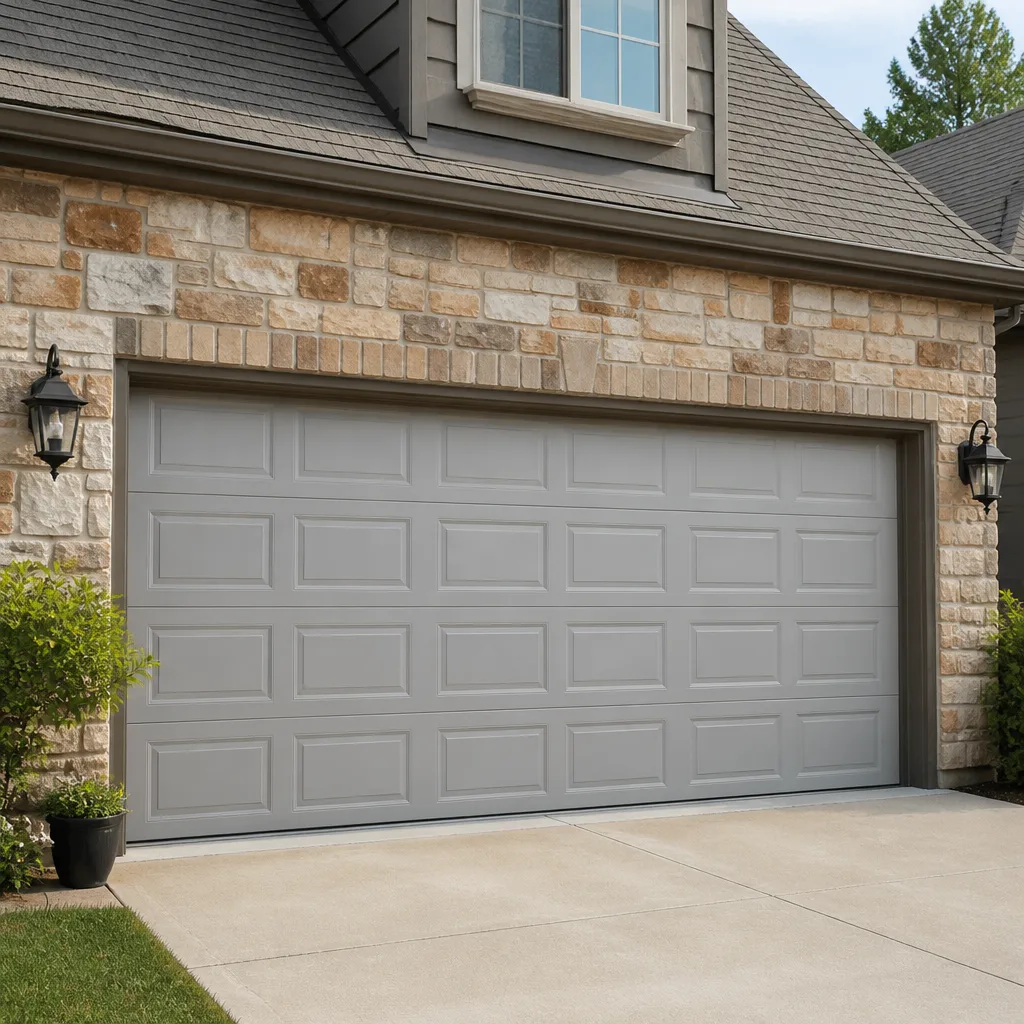 Raised-panel steel
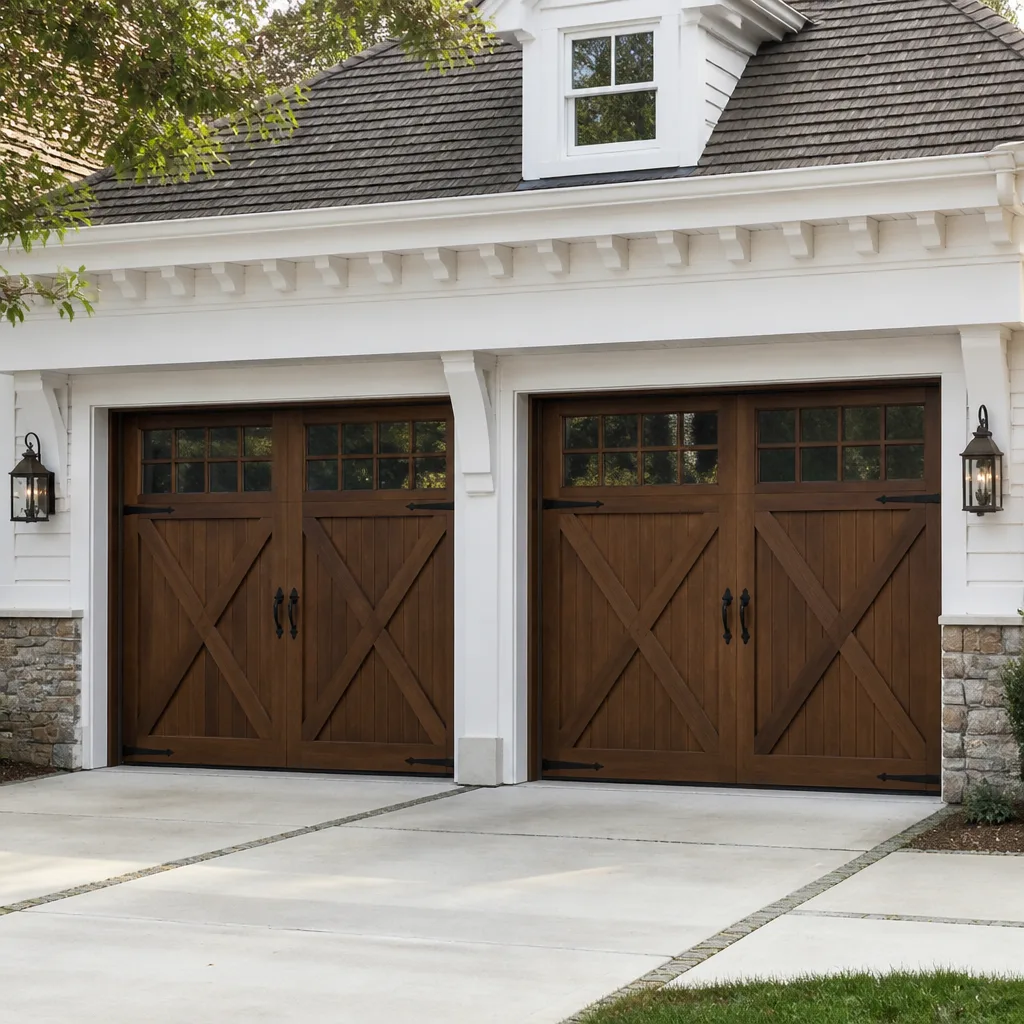 Carriage house
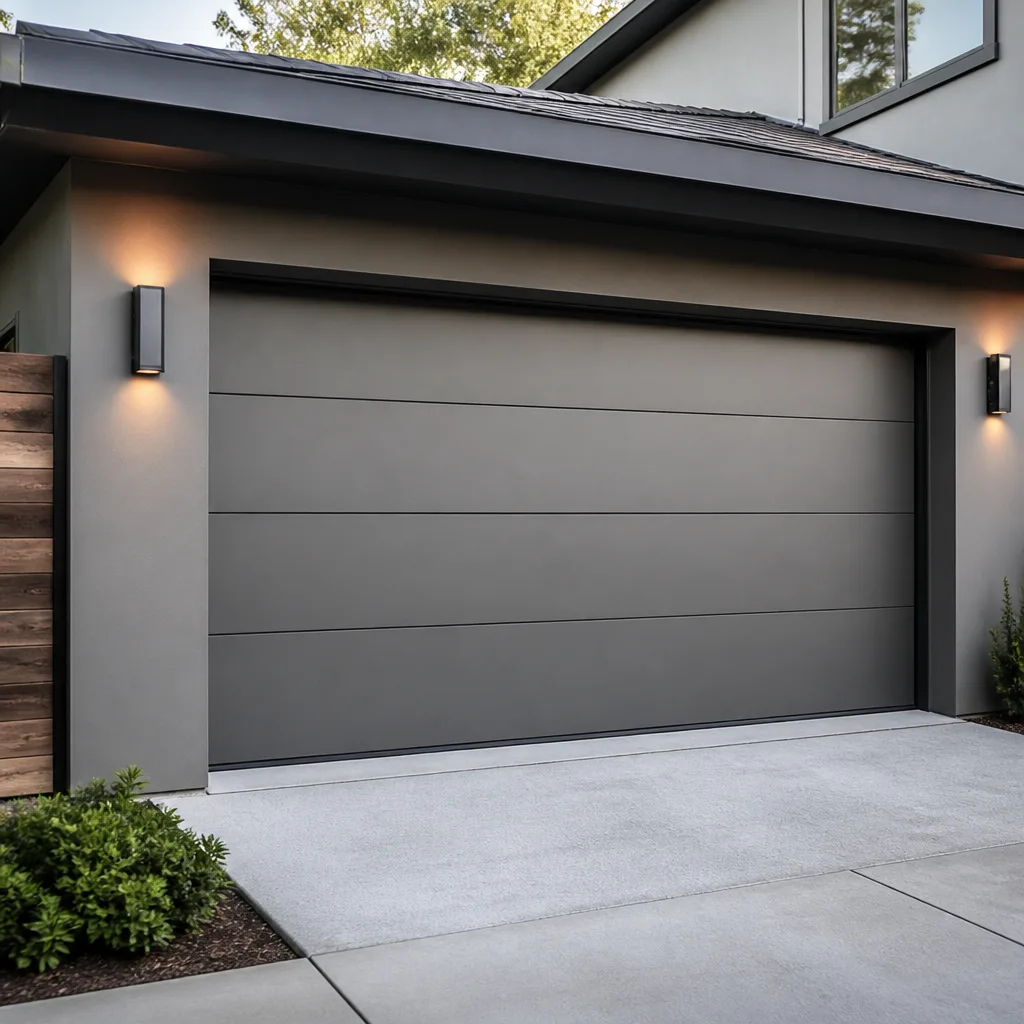 Modern flush
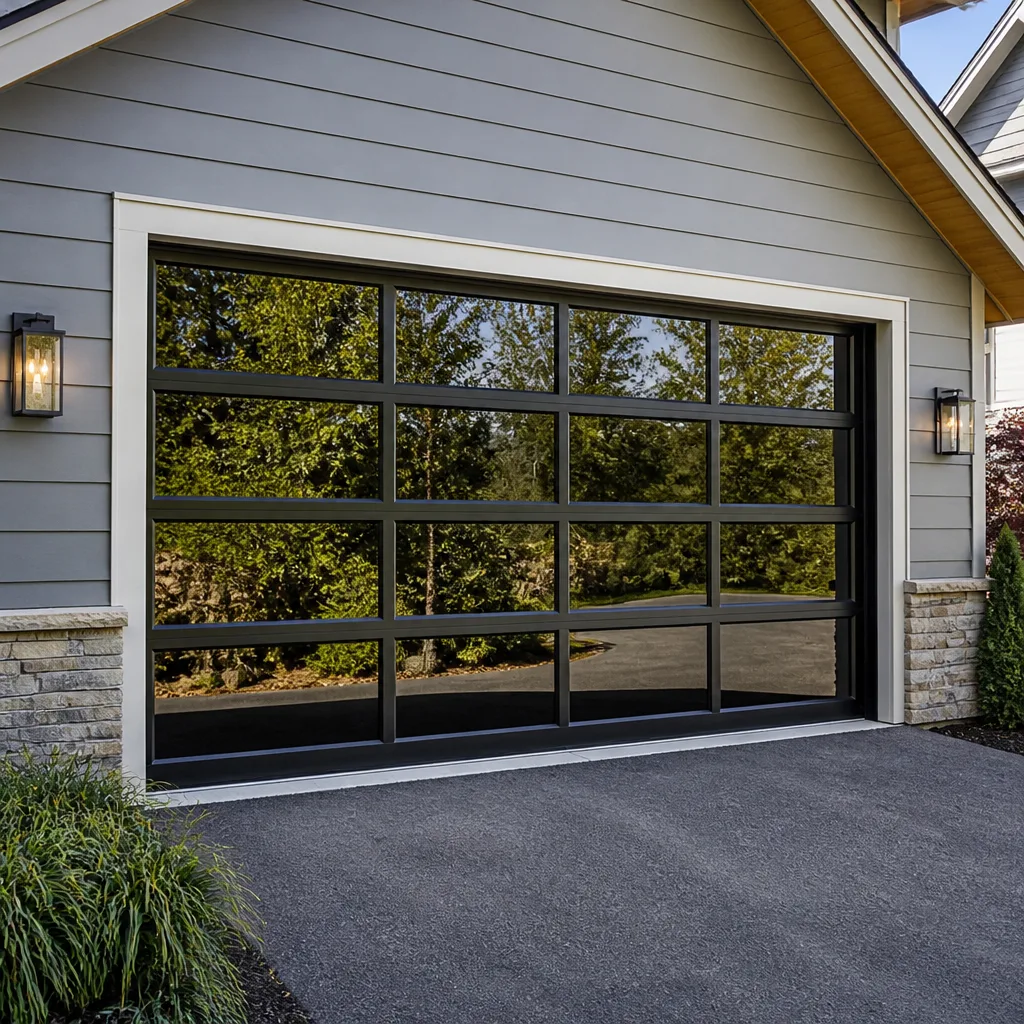 Full-view glass
 LiftMaster openers
 Chamberlain openers
Full 25-point door and opener safety check with every visit - springs, cables, rollers, tracks, and your LiftMaster or Chamberlain opener included
You get a price before we start. It does not change when the pro arrives.
Get your free estimateSeasonal Garage Door Care for Lawrence: Year-Round Homeowner’s Guide
Most garage door springs in Lawrence don’t fail in a dramatic moment. They fail in late January or early February, after weeks of freeze-thaw cycles have quietly worked at metal that nobody touched since summer. The common assumption is that spring maintenance is a spring job. It isn’t. By the time the ground thaws and homeowners think about their door, the damage from winter has usually already happened. What you do in October, not April, decides how your door survives a Lawrence winter. This guide walks through what each season actually does to your door’s springs, cables, seals, and opener, and the 15-minute checks that catch wear before it turns into a snapped spring, a strained opener, or a door that won’t close when the temperature drops.
Quick Answer
Garage door care in Lawrence should be scheduled around the four seasons, because each season stresses a different part of the system. Fall lubrication and seal checks protect springs and weatherstripping through the freeze-thaw cycle of a Lawrence winter, spring inspection catches cable and panel damage from that winter, summer attention goes to wood composite doors and opener circuit boards struggling with humidity, and fall prep closes the loop before the next cold season. A focused 15-minute check four times a year covers most of what matters.
Styles & brands we work with
- Raised-panel steel
- Carriage house
- Modern flush
- Full-view glass
- LiftMaster openers
- Chamberlain openers
Table of Contents
- Why seasonal care matters more in Lawrence than most homeowners expect
- Fall: pre-winter preparation before the first freeze
- Winter: managing a frozen bottom seal and cold-stressed springs
- Spring: the post-winter inspection sequence
- Summer: heat, humidity, and what they do to wood doors and openers
- Building a 15-minute check into your home maintenance routine
- The full seasonal checklist at a glance
- Common mistakes to avoid
Why Seasonal Care Matters More in Lawrence Than Most Homeowners Expect
Lawrence sits in a climate with real seasonal range: humid summers, cold winters with regular freeze-thaw cycles, and springs that swing between warm afternoons and freezing nights. That range is what does the damage. A garage door is a mechanical system of springs, cables, hinges, rollers, and seals, and each of those materials responds differently to temperature and moisture. Steel springs lose tension and become more brittle in sustained cold. Rubber seals harden and crack when they freeze and thaw repeatedly. Wood composite panels swell in summer humidity. Opener circuit boards sit in an unheated, uninsulated space where temperature swings are more extreme than inside the house.
The other Lawrence-specific factor is the housing stock. Many Lawrence homes have attached garages that were built or retrofitted decades ago, and some are unconditioned spaces that reach near-outdoor temperatures in January. A garage door system in a Lawrence home can see a 100-degree swing across the year between a cold February night and an August afternoon. That’s a lot of expansion and contraction for hardware designed to hold a heavy door under constant tension.
What this means practically: treating your door as a “fix it when it breaks” system works against you in Lawrence. A part that would last years in a mild climate can wear faster here if the seasonal stressors aren’t checked. So the smart approach isn’t more effort; it’s the right effort at the right time. The rest of this guide maps the right effort to each of Lawrence’s four seasons.
Fall: Pre-Winter Preparation Before the First Freeze
Fall is the single most important season for garage door care in Lawrence, and most homeowners skip it. The goal is simple: get every moving part lubricated and every seal flexible before temperatures drop below freezing, because once it’s cold, you can’t easily fix these things without waiting for a thaw. Think of it as getting the door into winter shape.
The reason fall matters so much comes back to how springs fail. A dry, unlubricated torsion spring (the horizontal spring above the door) or extension spring (the stretched springs along the tracks on older doors) develops friction between coils. That friction wears the metal slightly with every open and close. In warm weather the wear is gradual. In cold weather the metal is more brittle, the wear accelerates, and a spring that was going to last another year can snap in January. Lubricating in October means those coils move freely through the winter instead of grinding.
Here’s the fall routine we recommend:
- Lubricate the springs. Use a garage door lubricant (not WD-40, which is a solvent, not a lubricant). Spray a light coat along the full length of both torsion springs, or the coils of both extension springs. This is the most important fall task.
- Lubricate hinges and rollers. A few drops on each hinge pivot point and on the bearing of each roller. Don’t lubricate the tracks themselves; those should stay clean and dry.
- Check the bottom seal. Run your hand along the rubber weatherstripping at the bottom of the door. It should be soft and pliable. If it’s hard, cracked, or torn, replace it before freeze. A stiff seal won’t conform to the floor and will let cold air and moisture in all winter.
- Inspect the weatherstripping around the frame. The seals along the sides and top of the door opening. Check for gaps that will let in drafts and, more importantly for Lawrence, moisture that can freeze and bind the door.
- Test the door balance. Disconnect the opener (pull the release handle) and lift the door halfway by hand. It should stay there. If it drops or rises on its own, the springs are out of balance and need professional attention before winter.
- Check the opener’s safety reverse. Put a piece of wood or a roll of paper towels under the door and close it. The door should reverse on contact. Test the photo-eye sensors by blocking them; the door should not close.
That’s roughly 15 minutes if nothing’s wrong, and it dramatically improves the odds your door handles a Lawrence winter without a mid-January breakdown. If the balance test fails or you spot a visibly worn spring, don’t wait; call for professional garage door spring repair before the cold settles in.
Winter: Managing a Frozen Bottom Seal and Cold-Stressed Springs
A frozen bottom seal is the most common winter garage door problem in Lawrence, and how you handle it determines whether you fix the problem or cause a bigger one. When the rubber seal at the bottom of the door freezes to the concrete floor, the door won’t lift cleanly. Forcing it puts enormous strain on the opener and can tear the seal or damage the bottom panel. Spring failure is the second big winter issue, because cold makes the previously-lubricated spring work harder and cold-brittle metal snap more easily.
If your door is frozen shut, here’s what to do:
- Don’t force it. Stop the opener the moment the door strains or the opener motor labors. Repeatedly forcing a frozen door is the fastest way to burn out an opener motor or strip a gear.
- Free the seal gently. Warm the seal with a hair dryer on low, working along the bottom edge, or pour warm (not boiling) water along the seal-floor contact line. Never use a chisel, screwdriver, or pry bar to break the seal free; you’ll tear the rubber and possibly bend the bottom panel.
- Clear ice and snow from the threshold. Once free, shovel and scrape the apron and threshold so meltwater doesn’t refreeze and lock it again.
- Let the door rest. Once opened, if the seal is stiff from cold, replacing it in spring is a good idea. A pliable seal is far less likely to freeze in the first place.
On the spring side, winter is when you pay for what you did or didn’t do in fall. If your springs were lubricated in October, they’ll handle the cold far better. If you hear a loud bang from the garage and the door won’t lift, that’s almost certainly a snapped spring, not an opener problem. This is the single most dangerous situation a homeowner can face with a garage door, because the springs are under enormous tension. Do not attempt to adjust, remove, or replace a spring yourself. Call for professional garage door spring repair; a trained technician has the specific tools and knows the tension tolerances for your door’s weight and spring type. On a Lawrence door, that’s the difference between a safe repair and a serious injury.
Winter is also when an opener that was fine in October starts acting up. Cold-thickened lubricant in the opener’s gearbox, a photo-eye sensor fogged with condensation, or a remote that’s simply cold and weak all show up as “my opener stopped working.” Our garage door opener repair service handles all of these, and because emergency service is a core part of what we do, a door that fails on a freezing night in Lawrence doesn’t have to wait until the next business day. We work on the door you have, whether it’s a Genie opener installed a decade ago or a newer LiftMaster unit.
Spring: The Post-Winter Inspection Sequence
Spring is the season to find out what winter did, and the inspection has a specific sequence because some checks depend on others. This is also the season to catch damage before it compounds: a cable that frayed over winter is a cheap fix in April and a much bigger problem in August. Homeowners often lubricate in spring, which is fine, but the point of spring isn’t lubrication; it’s inspection.
Work through these in order:
- Look at the springs first. With the door closed, check both springs for a visible gap or separation in the coil. A broken spring has an obvious gap. Look for stretching, rust, or a coil that’s clearly out of shape. If anything looks wrong, stop and call a professional; don’t operate the door.
- Check cable tension. The cables run along the sides of the door and connect the springs to the bottom brackets. After repeated freeze-thaw cycles, cables can loosen, fray, or develop kinks. Look for fraying at the drum ends and check that both cables feel equally taut when you gently press them. Don’t adjust them yourself; cable tension is a professional job.
- Inspect the panels. Look at each section of the door, inside and out, for dents, warping, or rust. Wood composite and steel doors both show winter damage here, and a warped panel puts strain on the whole door.
- Check the tracks. With the door closed, look at the vertical tracks on each side. They should be straight and aligned. Freeze-thaw cycles can shift the brackets slightly; a bent or misaligned track makes the door drag.
- Test every hinge and roller. Open and close the door by hand (with the opener disengaged) and listen. Squeaks or grinding point to a roller or hinge that needs attention.
- Test the door balance again. Same test as fall: halfway open by hand, the door should stay put.
- Test the safety features again. Photo-eye sensors and the auto-reverse function should be retested after a winter of use.
If the cable tension check turns up anything unusual, or you hear metal scraping as the door moves, that points to a cable or spring issue that needs a trained eye. At that point it’s worth a professional inspection rather than guesswork. Our technicians have up to 15 years of experience, and we work on the door you have, so the recommendation is driven by what your door needs, not by what brand we’d rather sell you.
Summer: Heat, Humidity, and What They Do to Wood Doors and Openers
Summer is the season Lawrence homeowners overlook, because the door usually still “works.” Heat and humidity don’t break doors dramatically the way a snapped spring does; they cause slow, quiet damage that shows up later. The two biggest summer issues are wood composite doors and opener circuit boards.
Wood composite and wood-look doors (from makers like Clopay, Amarr, and Wayne Dalton) are particularly affected by summer humidity. Wood is porous and absorbs moisture from the air. When humidity is high, a wood composite door can swell slightly, which makes it heavier and can cause panels to bind or the door to stick in the tracks. When the air dries out again, the wood shrinks, and repeated swelling and shrinking over seasons can crack the finish, open seams, and let moisture penetrate deeper into the panel. This is why summer prep matters for wood composite doors specifically:
- Check the finish on every panel. Look for cracking, peeling, or bubbling paint or stain. Any spot where the finish has failed is a place water will get in.
- Touch up bare spots. Seal any exposed wood with an exterior-grade finish; catch it in summer before fall rains.
- Check the bottom edge. The bottom panel of a wood door is closest to the ground and most exposed to moisture. Look for softness, discoloration, or delamination.
- Confirm the door moves freely. If it feels heavier or sticks in the tracks on a humid day, that’s the wood swelling; have the tracks and balance checked.
Opener circuit boards face a different summer problem. Heat is the enemy of electronics, and a Lawrence garage in July or August can get extremely hot, especially if the garage is unconditioned. Opener circuit boards and capacitors can fail faster in sustained high heat. Watch for an opener that starts behaving erratically (doors that reverse unexpectedly, remotes that work only up close, or a motor that hums but doesn’t move the door) on hot days. That’s often a board or capacitor issue. If your opener is from Genie, Chamberlain, or Craftsman, we service those lines, and our garage door opener repair covers diagnosis and repair rather than an automatic replacement. On the springs side, summer is actually a low-stress season (metal is less brittle), which is exactly when a technician can inspect and adjust without the urgency of a winter emergency.
Building a 15-Minute Check into Your Home Maintenance Routine
You don’t need tools or expertise to do most of the seasonal checks in this guide. The point is to build the habit into what you already do around the house. Here’s how to keep it simple:
The 15-minute check has four parts, done once per season: (1) look at the springs and cables, (2) feel the bottom seal, (3) listen to the door as it opens and closes, and (4) test the safety reverse. That’s it. Every item on that list is something a homeowner can do without a wrench. Here’s a practical way to remember it: tie the check to a habit you already have. Check the door when you change the smoke detector batteries or flip the clocks forward and back. Check it when you do your seasonal yard work. Whatever anchor works for you, the point is consistency.
What a homeowner should not do without training: adjust springs, adjust cables, or attempt to remove a spring. Those are the parts that carry the stored energy that can hurt someone badly. Everything else on the seasonal list (visual inspection, lubrication, seal checks, safety tests, keeping the tracks clean and dry) is well within reach. If something looks off and you’re not sure, that’s the moment to call a professional rather than to improvise. A small issue caught early is what makes the rest of the year cheap and quiet.
The Full Seasonal Checklist at a Glance
Here’s the whole year in one place. Use it as a quick reference and as a planning tool for what you’ll do each season in Lawrence:
- Fall (most important): Lubricate springs and hinge/roller pivots; check and replace a hardened bottom seal; inspect frame weatherstripping; test door balance; test safety reverse and photo-eye sensors.
- Winter: Watch for frozen seals (warm gently, never force); clear ice and snow from the threshold; listen for a snapped spring (loud bang, door won’t lift, call a professional); watch for cold-related opener issues.
- Spring: Inspect springs for gaps; check cable tension and fraying; inspect panels for warping and rust; check track alignment; test hinges and rollers; test door balance and safety features; lubricate moving parts.
- Summer: Check the finish on wood composite doors and reseal bare spots; watch for swelling or sticking; watch for opener erratic behavior from heat; schedule a professional inspection for the months when springs are low-stress.
Every one of these tasks maps to a specific part of your door and a specific season. None of them are complicated. Together they’re the difference between a door that quietly handles Lawrence’s climate and one that surprises you on the coldest night of the year. For a fuller overview of the repair services that back up these checks, see our garage door repair page, and for a full new door consideration when the time comes, we handle installation too. If you’d rather not go it alone, Lawrence Garage Door Repair Co is one call for the whole seasonal calendar.
Common Mistakes to Avoid
- Lubricating in spring instead of fall. This is the single most common mistake in Lawrence. By the time you lubricate in spring, the cold season has already done its damage. Lubricate in October, before the freeze.
- Forcing a frozen door open. Repeatedly running the opener on a frozen seal strains the motor and can tear the rubber. Warm the seal gently and clear ice from the threshold instead.
- Using WD-40 on springs and hinges. WD-40 is a solvent and water displacer, not a lubricant. It can actually wash away the lubricant you want and leave metal dry. Use a garage door lubricant.
- Ignoring the bottom seal until it’s a problem. A stiff, cracked seal lets in cold air and moisture all winter and is a fraction of the cost to replace in fall than to deal with frozen-door issues in January.
- Skipping the post-winter cable check. Cables take a beating from repeated freeze-thaw cycles. Spring is the time to catch a fraying cable before it fails.
- Trying to adjust springs yourself. The springs carry enough stored energy to cause serious injury. A broken or out-of-balance spring is a call-a-professional job, every time.
- Assuming a “working” door in summer needs no attention. Heat and humidity cause slow damage to wood doors and opener boards. A summer look-over is cheap insurance against fall surprises.
See the difference
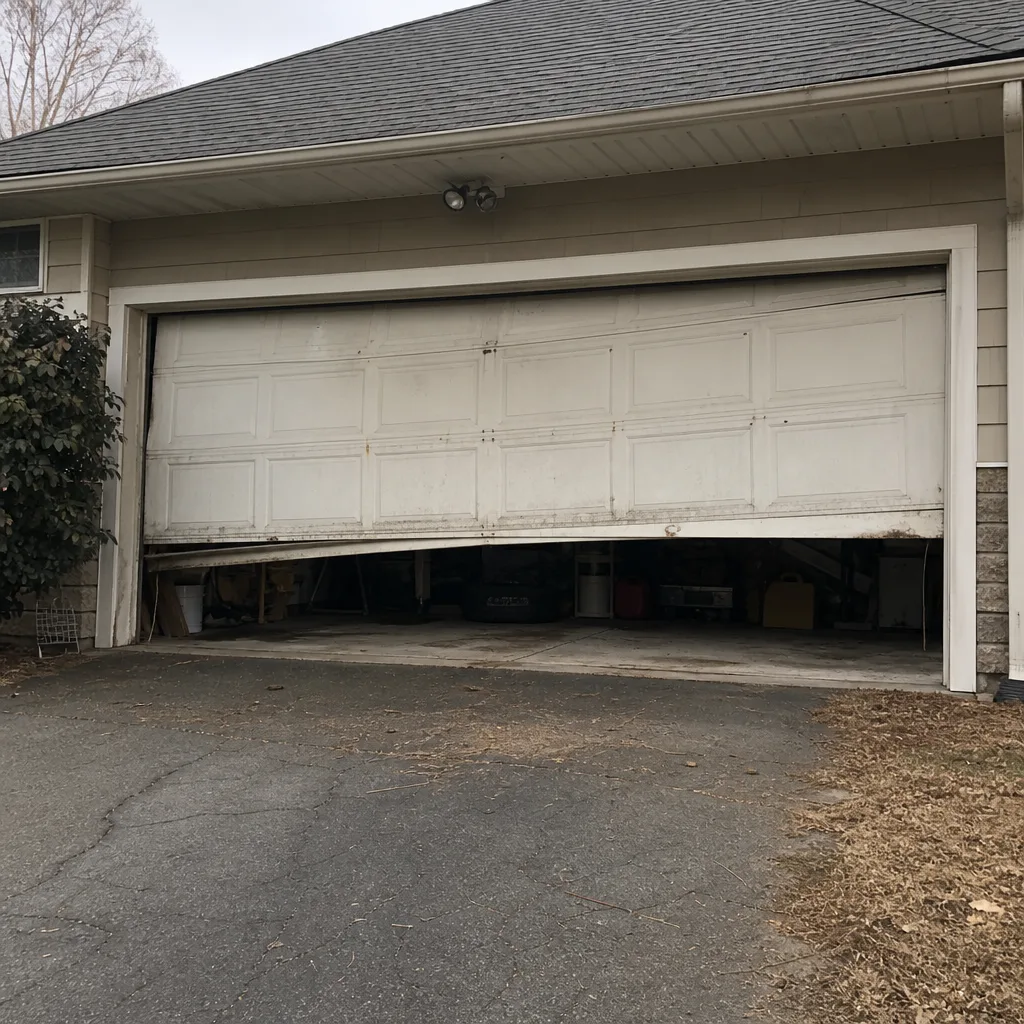 Before
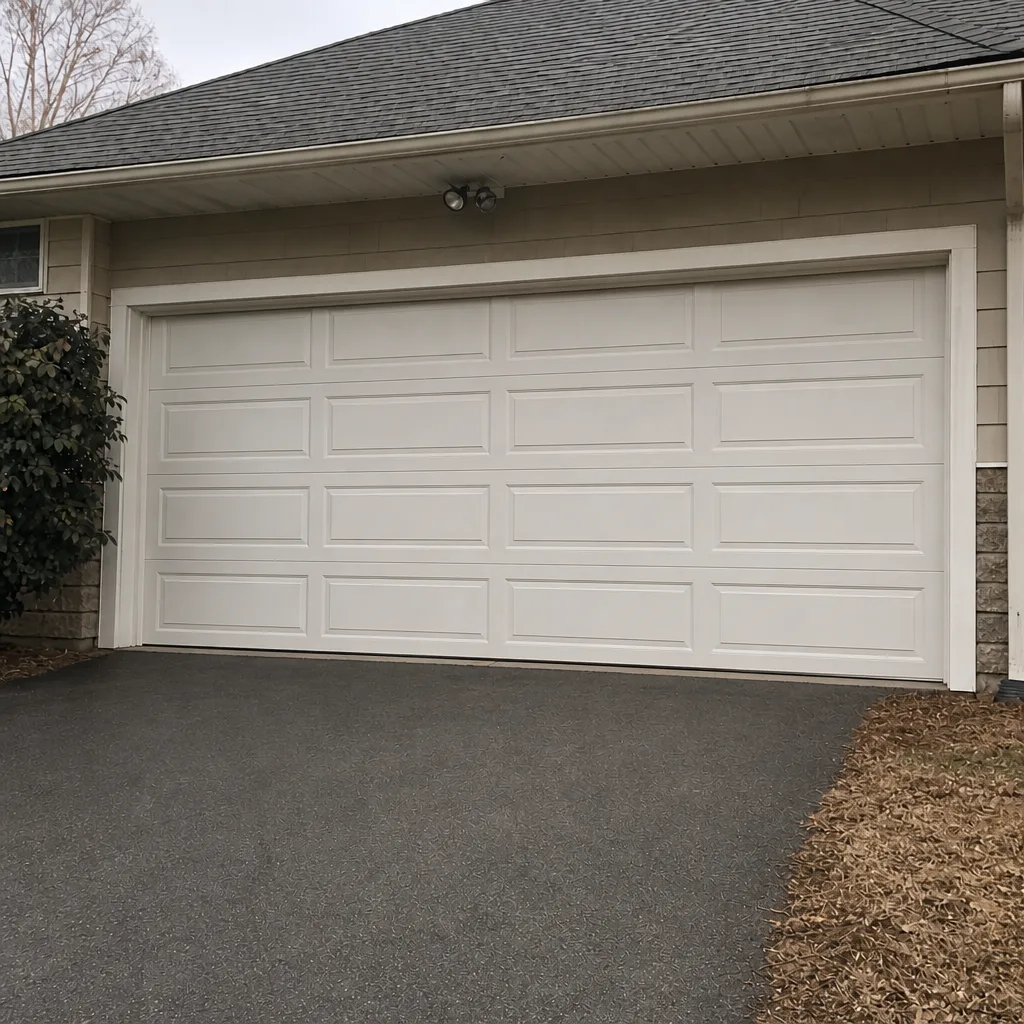 After
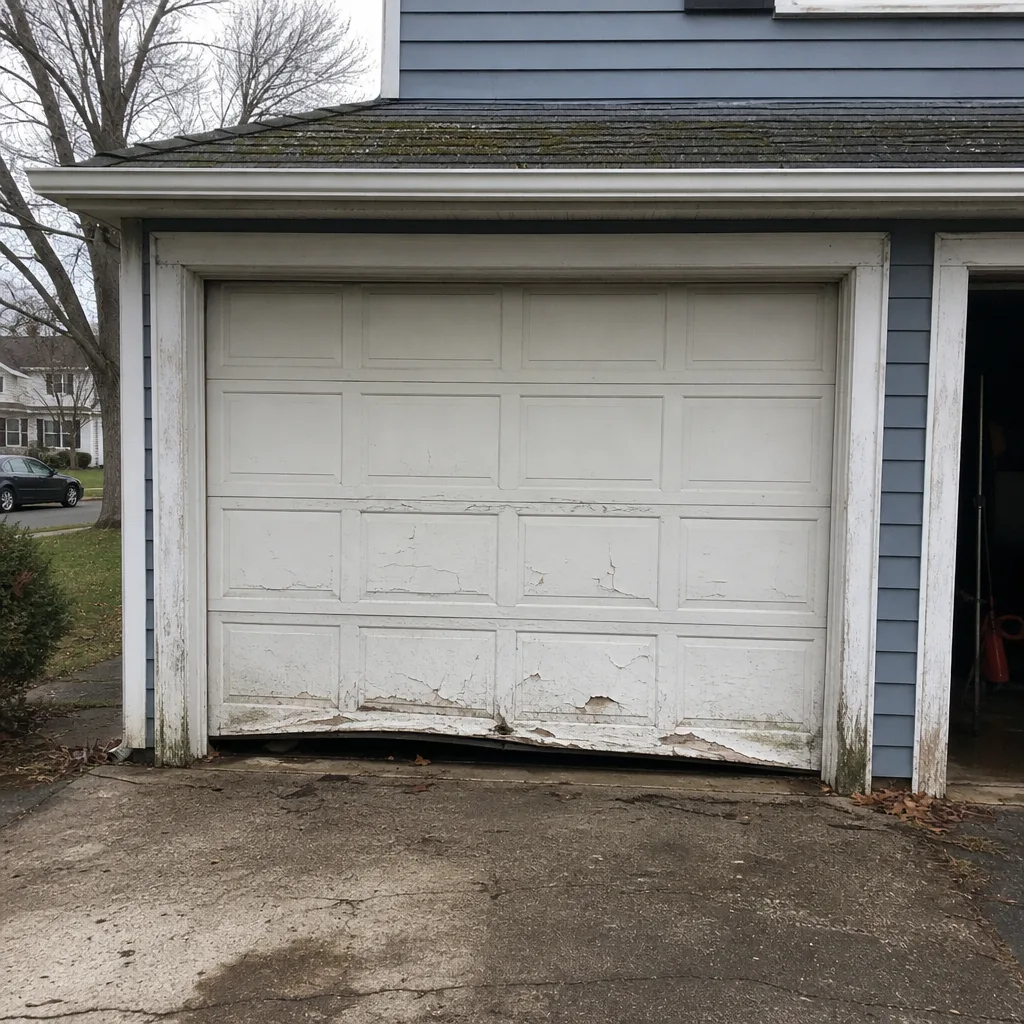 Before
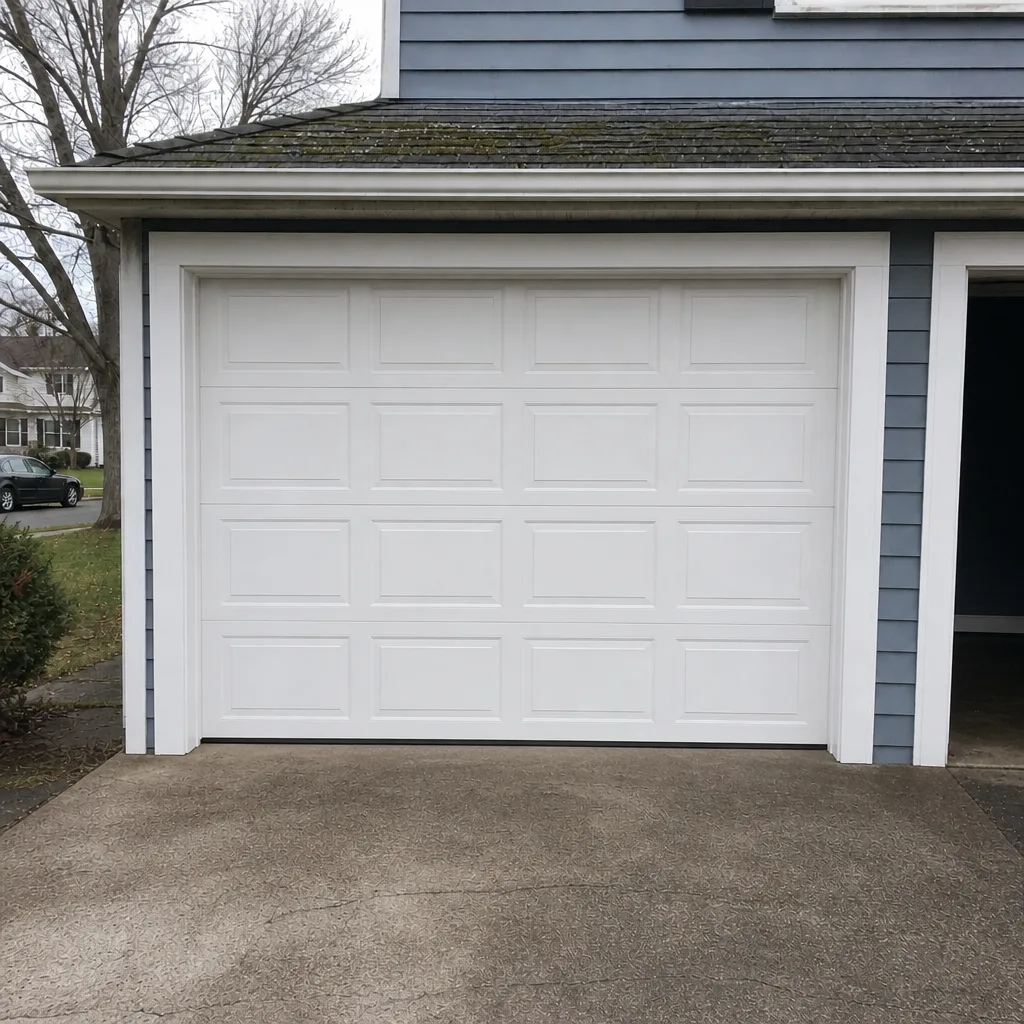 After
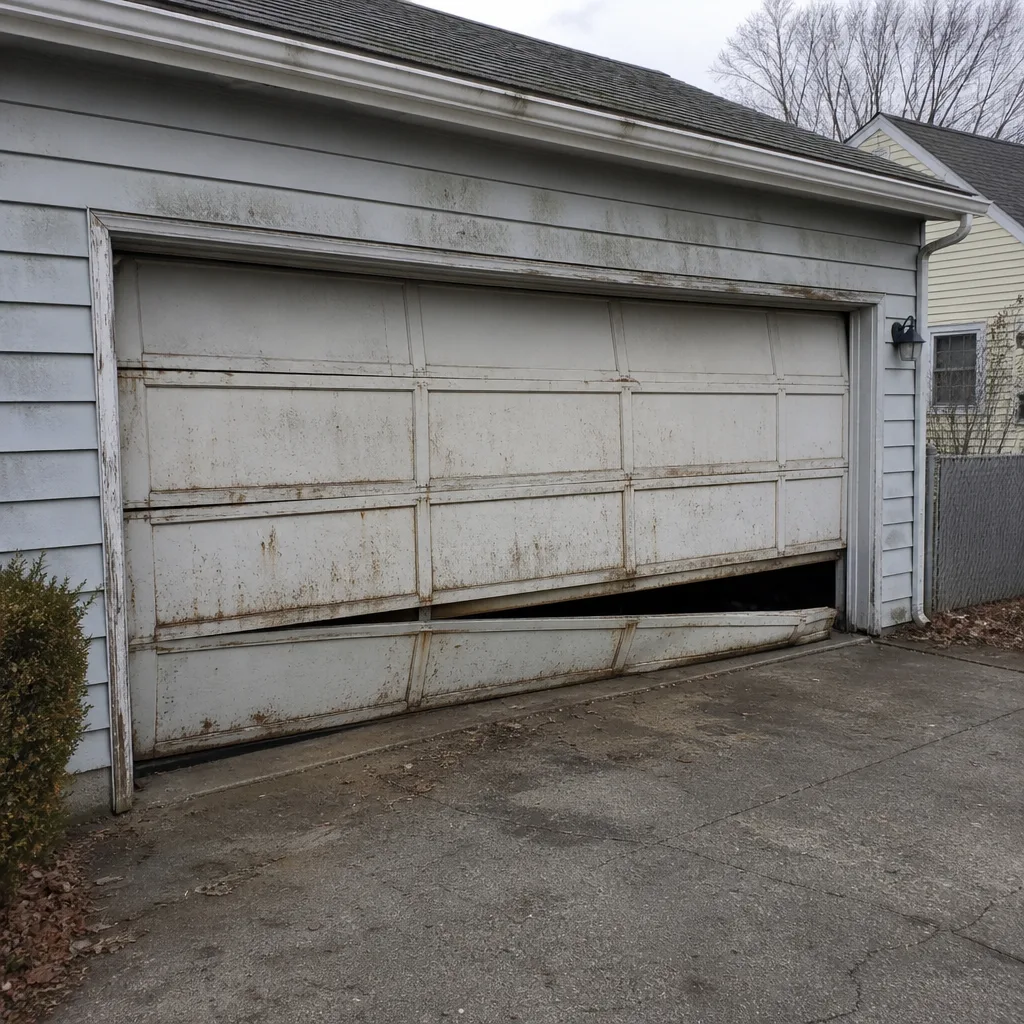 Before
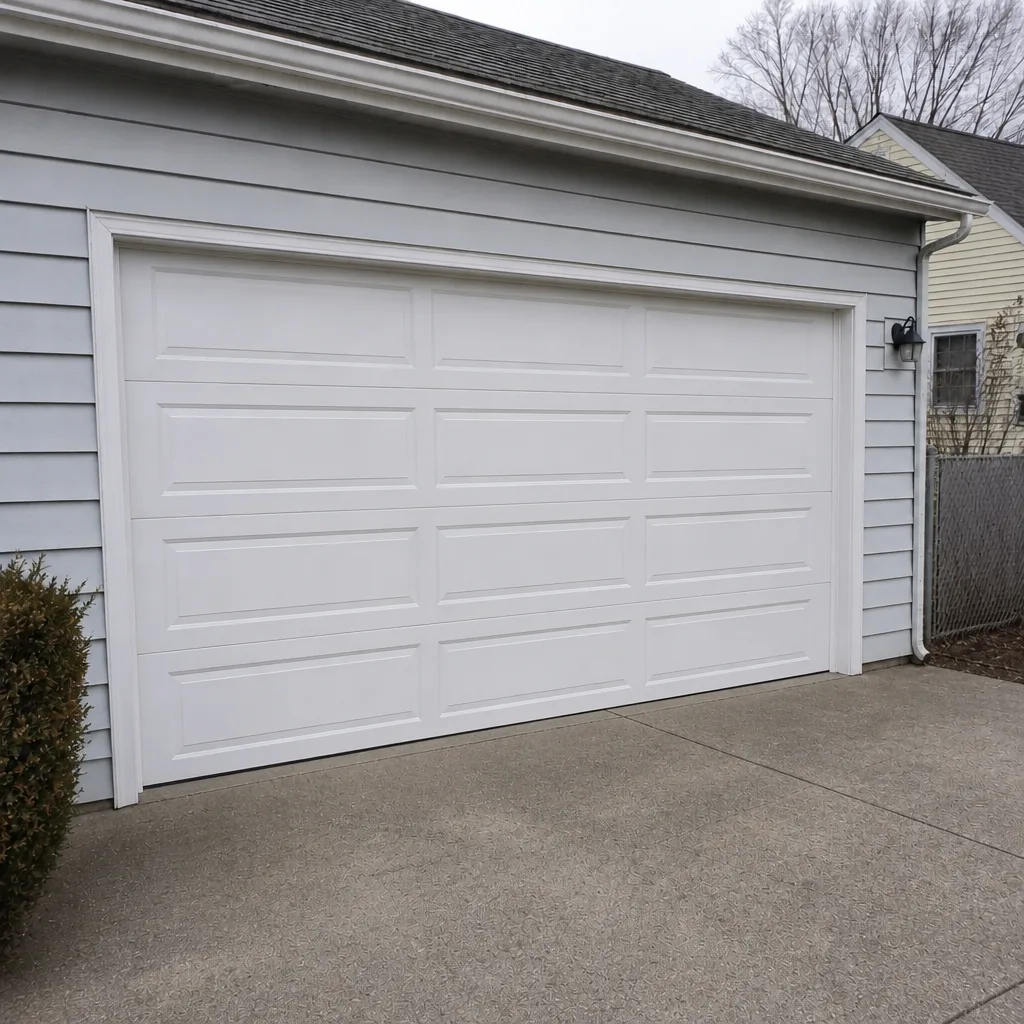 After
When to Call a Professional
Some things are seasonal maintenance; others need a trained technician. Call a professional if: you hear a loud bang from the garage and the door won’t lift (that’s a spring); the door is visibly crooked or one side lifts before the other (that’s a cable or track issue); the door feels unusually heavy by hand or won’t stay halfway open (balance failure); you see fraying on either cable; the door reverses unpredictably or the opener runs but doesn’t move the door (opener or board failure); or your bottom seal is frozen shut and you can’t free it gently. Spring repair and cable work are genuinely dangerous and belong with a technician trained for it, not a generalist. Lawrence Garage Door Repair Co offers free estimates in Lawrence; call (877) 492-1952. Our technicians have up to 15 years of experience, we work on the door you have across LiftMaster, Chamberlain, Genie, Clopay, Amarr, Wayne Dalton, Craftsman, and Raynor equipment, and the price is quoted and agreed before any work starts.
Frequently Asked Questions
Four times a year, once per season. Fall and spring are the two most important checks (fall for pre-winter prep, spring for post-winter inspection), but a full 15-minute check each season is the schedule that keeps a Lawrence door ahead of the freeze-thaw cycle. The fall lubrication and seal check specifically prevents the most common winter failures.
Cold makes steel more brittle and increases the friction between spring coils, so a spring that was going to fail at some point fails faster in January and February. Springs that aren’t lubricated in fall are the most vulnerable, because dry coils grind and wear with every open and close. If a spring snaps, don’t operate the door; call for professional spring repair.
Stop the opener as soon as it strains, then warm the seal gently with a hair dryer on low or pour warm (not boiling) water along the seal-floor line. Never use a chisel or pry bar; it will tear the rubber and can damage the bottom panel. Once the door is free, clear ice and snow from the threshold so it doesn’t refreeze, and plan to replace a stiff seal in spring.
They reduce the odds significantly and help a technician catch wear before it turns into a failure. No maintenance schedule eliminates spring failure entirely, but fall lubrication, balance testing, and post-winter inspection are exactly the checks that catch a tired spring before it snaps. That’s the whole logic of seasonal care in Lawrence.
Wood absorbs moisture from humid air, so panels swell in summer and shrink as it dries, which can cause binding, cracked finish, and exposed seams. Check the finish on every panel, reseal bare spots, and look at the bottom edge for delamination. If the door feels heavier or sticks in the tracks on humid days, have it checked.
Yes. We service LiftMaster, Chamberlain, Genie, Clopay, Amarr, Wayne Dalton, Craftsman, and Raynor equipment. We work on the door you have, so the recommendation is driven by what your door needs, not by a single brand’s parts. For an exact quote on any seasonal repair, call (877) 492-1952; estimates are free and the price is quoted and agreed before any work starts.
The Bottom Line
In Lawrence, the four seasons don’t just change the weather; they change which part of your garage door is under the most stress. Fall lubrication and seal checks are the highest-value work you can do because they get the door ready for the freeze-thaw cycle. Winter is about not forcing a frozen seal and recognizing a snapped spring when you hear one. Spring inspection catches the wear that winter left behind, especially cable tension. Summer is when wood composite doors and opener boards need a look. The 15-minute check tied to a habit you already have covers most of it. If something looks wrong, call a professional, particularly for springs and cables.
For a free estimate on any seasonal repair, installation, or emergency service in Lawrence, call (877) 492-1952. We work on the door you have, and the price is quoted and agreed before any work starts.
Written by the team at Lawrence Garage Door Repair Co.