Last updated November 22, 2026
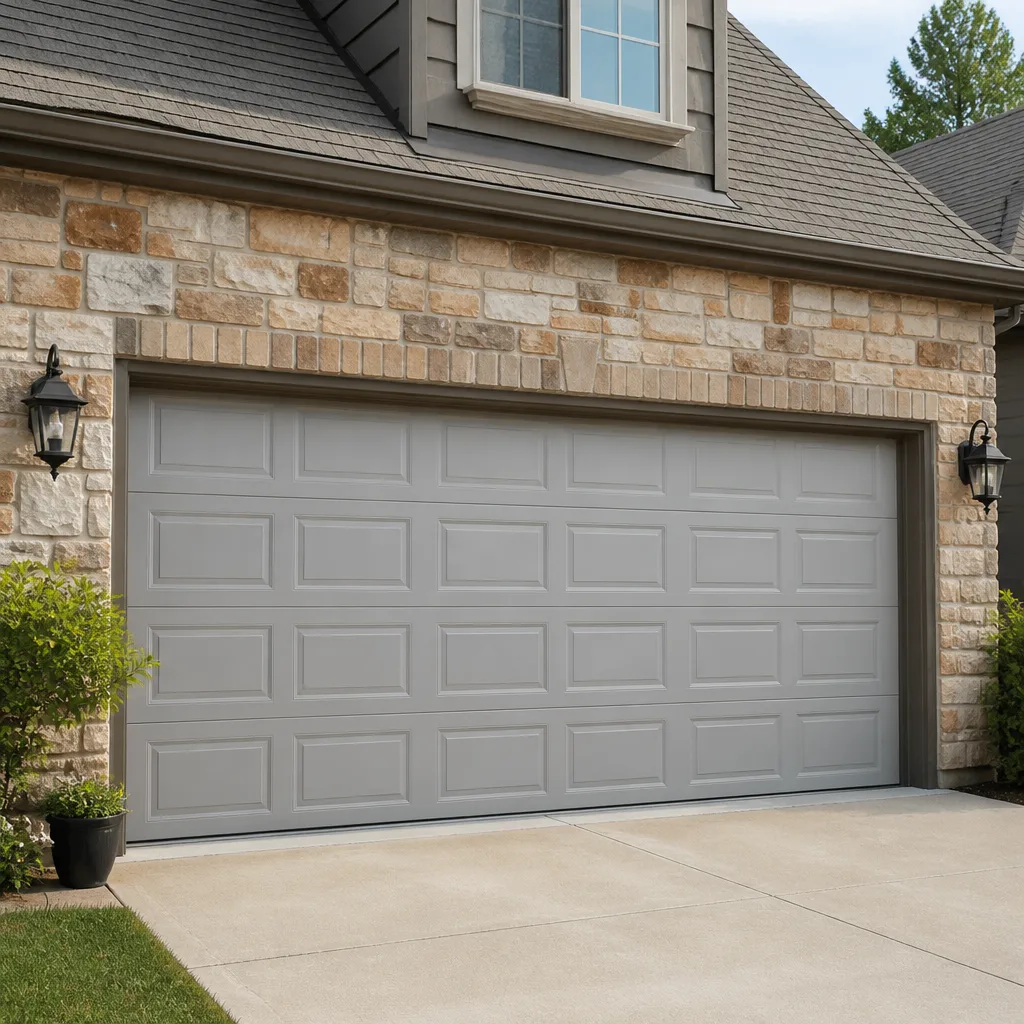 Raised-panel steel
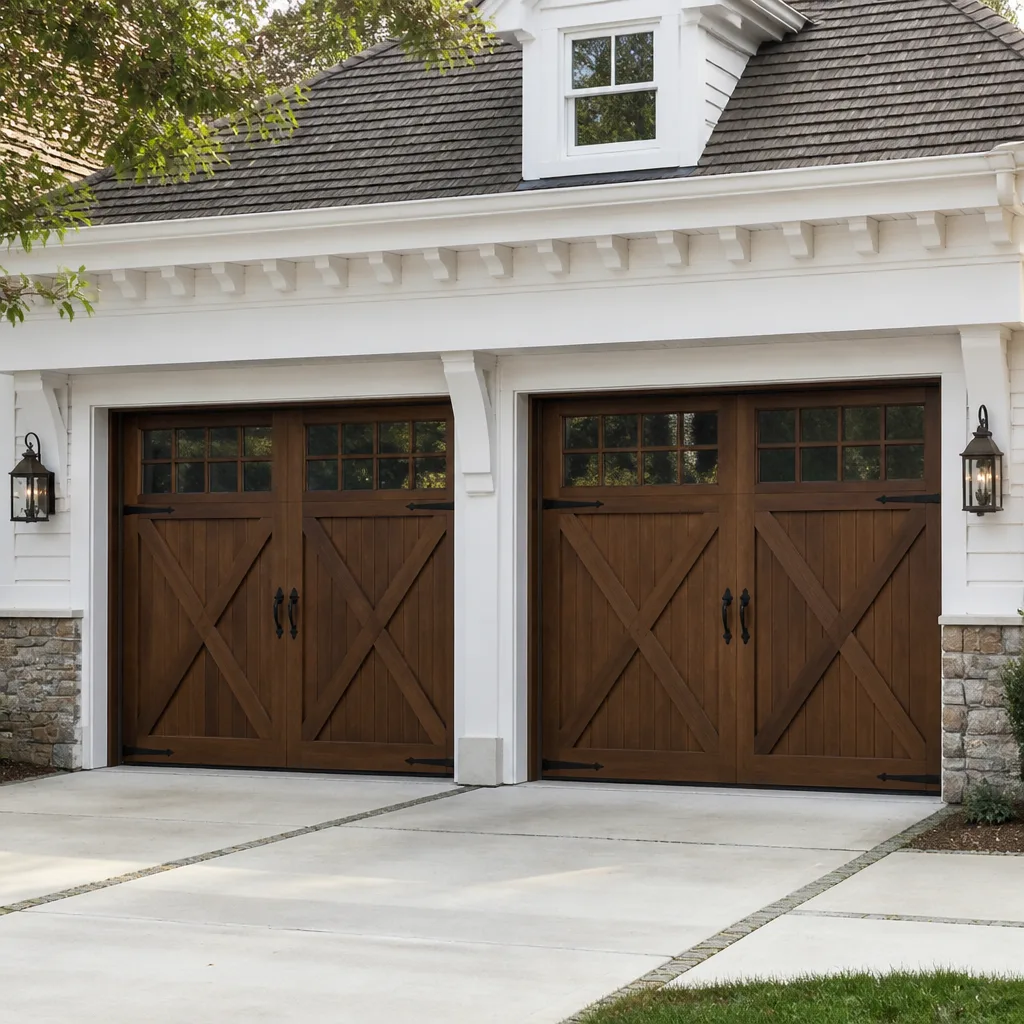 Carriage house
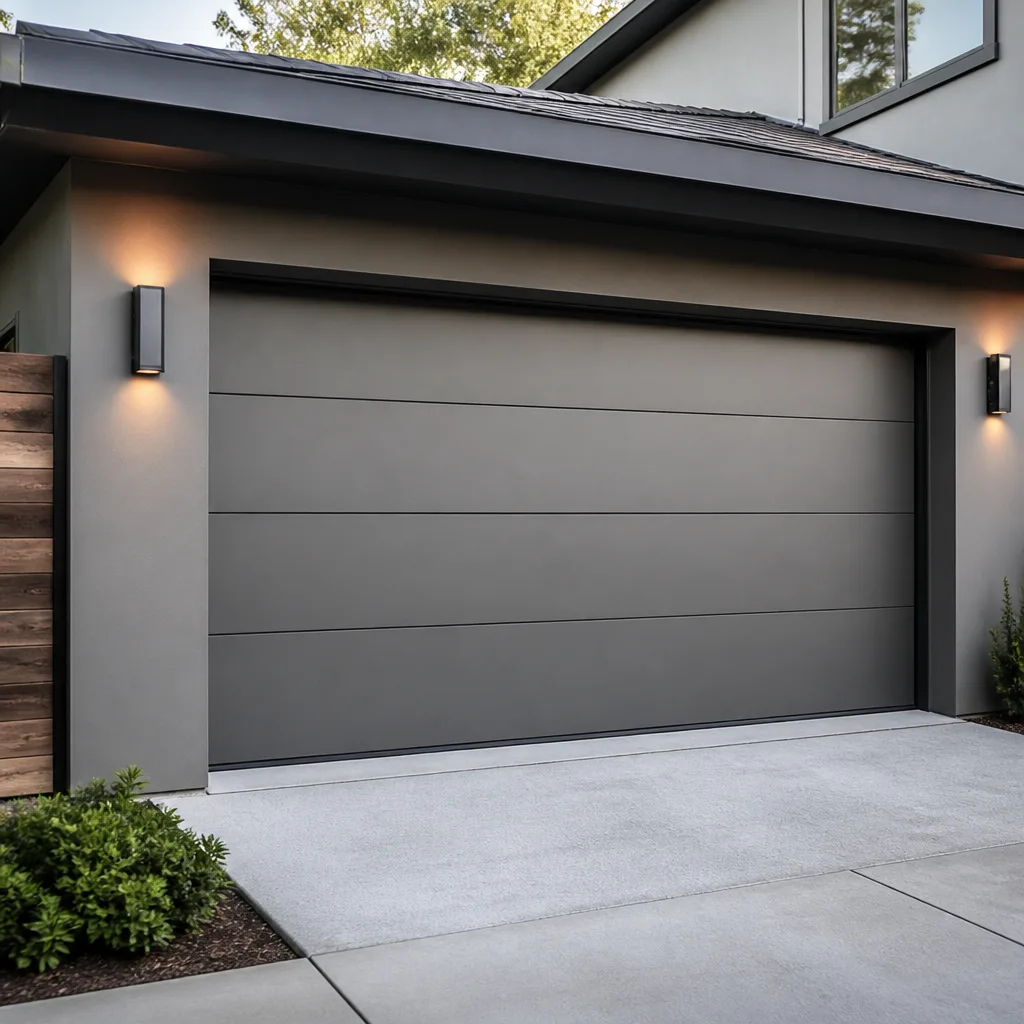 Modern flush
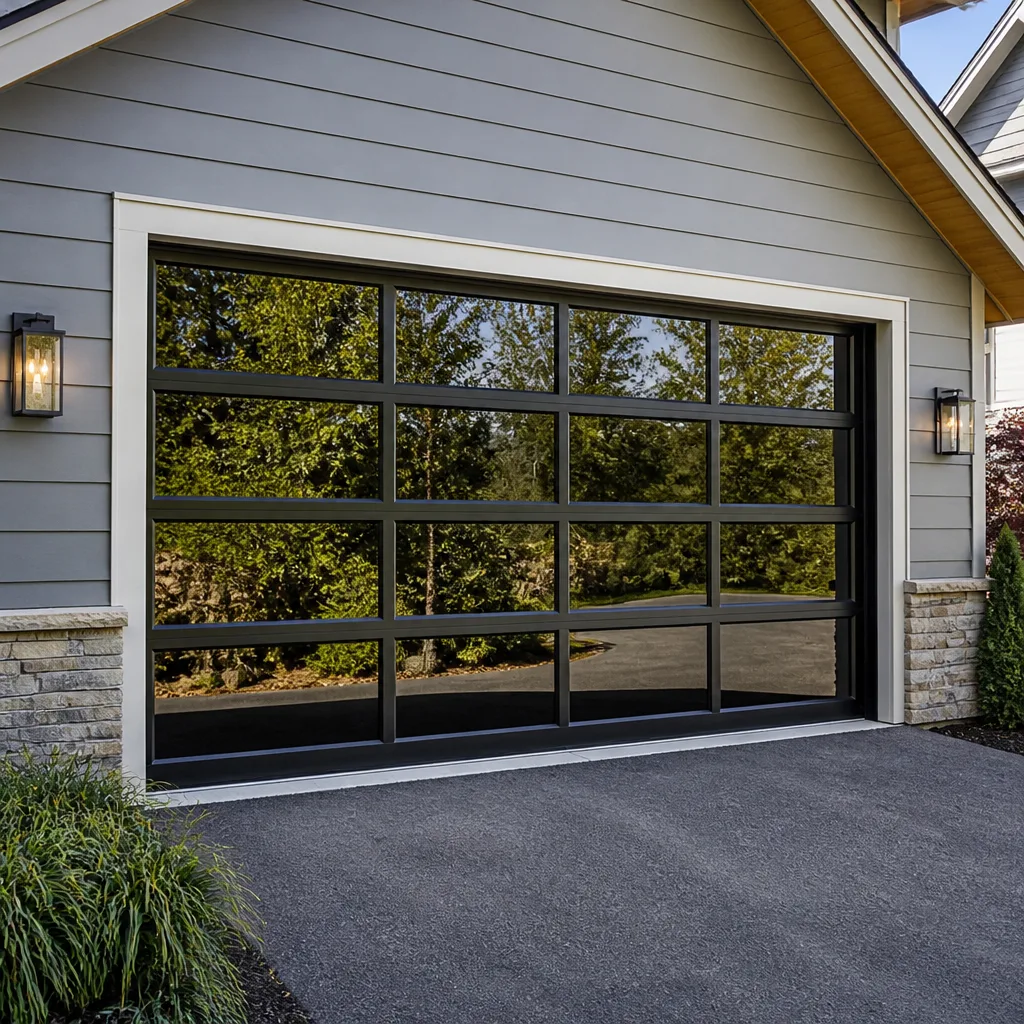 Full-view glass
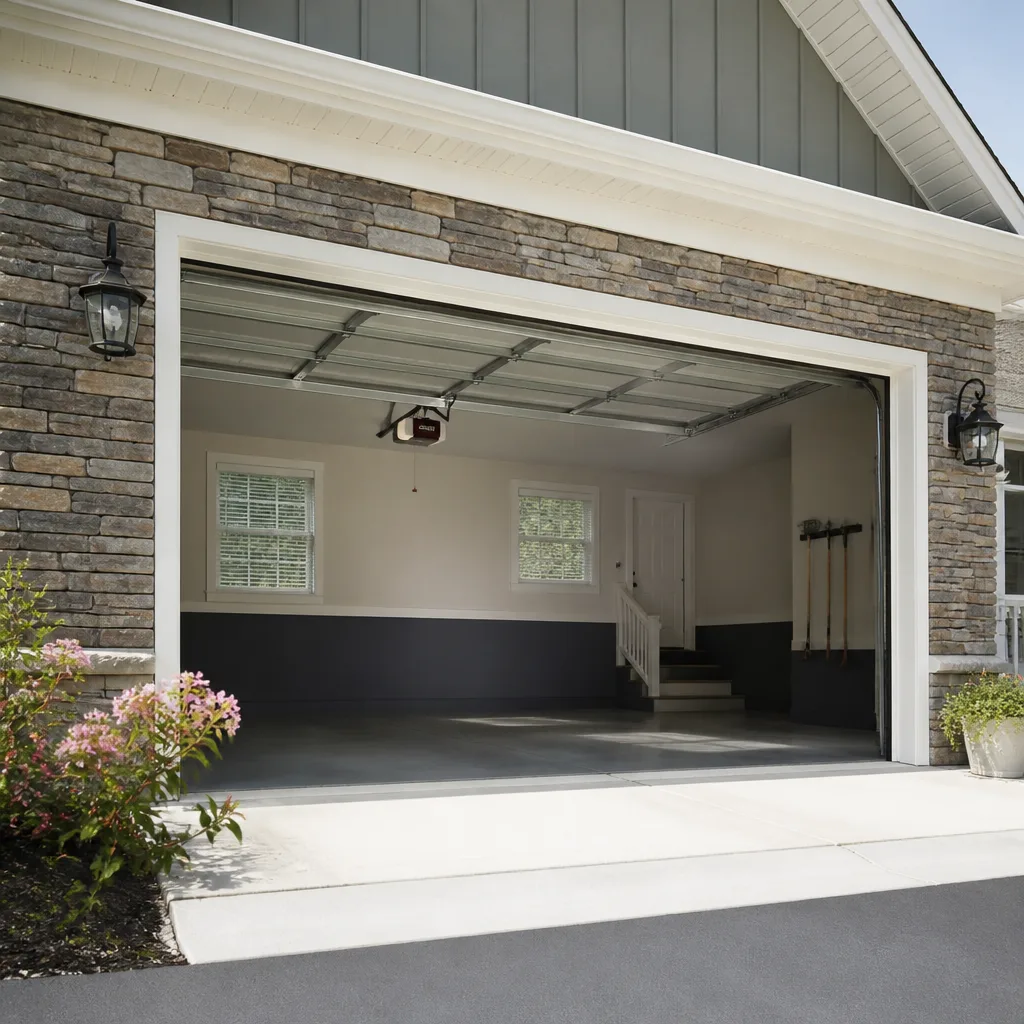 LiftMaster openers
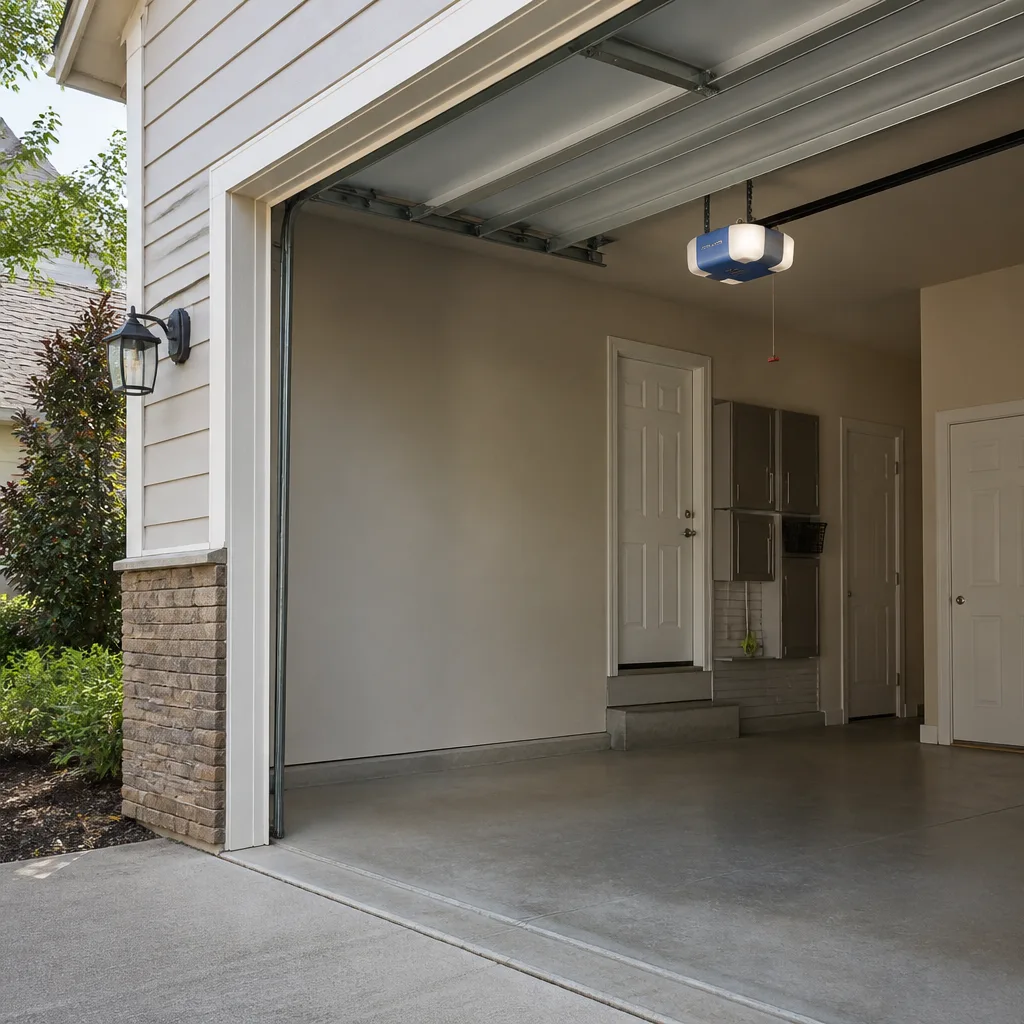 Chamberlain openers
Full 25-point door and opener safety check with every visit - springs, cables, rollers, tracks, and your LiftMaster or Chamberlain opener included
You get a price before we start. It does not change when the pro arrives.
Get your free estimateGarage Door Permits, Codes & Inspections in Lawrence, MA: What You Need to Know
Most homeowners assume a garage door is a private matter between them and their driveway, so the idea that replacing one could trigger a building permit surprises people. In Lawrence, the line that matters is not the door itself but what you’re doing to the structure around it. Swap a like-for-like door on an existing frame and you’re usually in the clear. Change the opening, the header, or the structural framing and the Massachusetts State Building Code treats it as construction work that needs a permit and a sign-off. This guide walks through where that line sits, what the city’s inspectors actually check, how wind-load rules affect which doors are compliant in Essex County, and how to clean up paper records on older work if you’re selling. We’ll keep it plain and skip the bureaucratic fog.
Quick Answer
In Lawrence, MA, replacing a garage door with the same size door in the same opening generally does not require a building permit. Structural changes to the opening – widening it, cutting a new opening, altering the header or framing, or converting the space – do require a permit and an inspection under the Massachusetts State Building Code. An opener replacement by itself almost never needs a permit, but a new opener installed with a brand-new door system can fall under the same permit as the door when the work involves structural change. Always confirm with the Lawrence building department before work starts.
Styles & brands we work with
- Raised-panel steel
- Carriage house
- Modern flush
- Full-view glass
- LiftMaster openers
- Chamberlain openers
Table of Contents
- Does replacing a garage door in Lawrence, MA require a permit?
- What counts as a like-for-like replacement?
- When structural changes push you into permit territory
- What a Lawrence garage door inspection actually checks
- Wind-load ratings and the Massachusetts code
- Do you need a permit for an opener replacement?
- Selling a Lawrence home with unpermitted garage door work
- How to document garage door work for the future
Does replacing a garage door in Lawrence, MA require a permit?
Short answer: a straight swap of a damaged door for a new one of the same size in the same opening usually does not need a permit. Structural work on the opening does. That’s the threshold homeowners bump into, and it trips people up because the phrase “garage door replacement” covers both scenarios. The Massachusetts State Building Code draws the line at whether you’re changing the building’s structure, not whether you’re changing the door.
Think of it this way. A door is a component. The opening, header, and frame around it are structure. Replace the component and you’re doing maintenance. Alter the structure and you’re doing construction work, which is what permits exist to track. The Lawrence building department follows the state code on this, so the question they’ll ask is what you’re modifying, not how much the door cost.
Two common situations that do require a permit in Lawrence:
- Widening an existing opening to fit a larger door (a 9-foot door going into an 8-foot opening).
- Cutting a brand-new opening into a wall that didn’t have one, such as converting a carport into a closed garage.
Two that usually don’t:
- Replacing a 16×7 door with a new 16×7 door because the old one is dented, rusted, or off its track.
- Swapping the opener and its rail on an existing door of the same weight class.
Before you commit to either path, call the Lawrence building department directly. Their answer over the phone takes five minutes and settles the question, and it beats hearing a different answer from a buyer’s attorney later. We field this question often, and it’s worth being precise rather than hopeful.
What counts as a like-for-like replacement?
A like-for-like replacement is a new door installed in the same opening, same approximate size, same structural footprint, with no changes to the framing, header, or surrounding wall. If that describes your job, you’re typically working outside the permit threshold in Lawrence.
Here’s the catch: “like-for-like” is about dimensions and structure, not about appearance. Changing from a raised-panel steel door to a carriage-house style door from Amarr or Wayne Dalton is still like-for-like if the size and opening are unchanged. Upgrading to a heavier insulated door is still like-for-like as long as the opening can support the additional weight without structural reinforcement. What tips you out of the category is any modification to the wall, the header beam, or the track brackets that carry the door’s load.
A few things that are almost always like-for-like in Lawrence:
- Same-size door in the same frame with the same track configuration.
- New torsion or extension spring system matched to the door’s weight.
- Replaced rollers, hinges, cables, and bottom seals as part of the same job.
- New opener installed on an existing door that hasn’t been structurally changed.
One nuance homeowners in Lawrence’s older two- and three-family homes run into: a door that was sized for a 1950s single-car opening might not match today’s standard dimensions exactly. If the new door requires shifting the vertical track out by an inch or trimming the header height, that’s when you’re better off asking first. If you’re unsure whether your job is like-for-like, a free measure from a specialist who’s done this in Lawrence before will settle it before the door arrives. Need someone to look now? Call (877) 492-1952.
When structural changes push you into permit territory
Structural change is the term to listen for. If your job involves any of the following, treat it as a permit-and-inspection project:
- Changing the size of the opening. Widening or raising the rough opening means cutting into the wall and header.
- Cutting a new opening. Turning a solid wall into a garage bay is a structural cut that needs engineering and a permit.
- Modifying or replacing the header. The header carries roof load above the opening. Changing it is framing work.
- Changing the track and bracket system structurally. Fastening new track to a wall that wasn’t built for it usually requires additional blocking and inspection.
- Adding a garage door to an existing carport. Enclosing the structure changes how the building behaves in wind and snow.
Each of these triggers a plan review at the Lawrence building department. You’ll file an application, submit a sketch or engineered plan, and schedule an inspection after the work is framed and before the door is hung. The inspection you’ll get is rough framing, not a door-function check – the inspector is looking at the header, the king and jack studs, the fasteners, and the flashing.
This is where a lot of Lawrence homeowners get burned. The framing has to be right before the door goes on, and it has to be inspected before it’s covered by the door and track. Sequencing matters. A specialist who’s installed doors in Essex County and knows the inspection order will save you a rework. If your job involves a new door system on new framing, we can discuss the door side while your contractor handles the structural permit. Learn more about full replacement work through our garage door repair service page.
What a Lawrence garage door inspection actually checks
This trips people up the most: the Lawrence building inspector is not checking whether your door opens smoothly. That’s a service call, not an inspection. The building inspection is about structure, safety, and code compliance at the framing and hardware level.
Here’s what an inspection tied to a garage door project typically covers in Lawrence:
- Header and framing. Size, span, and connections of the structural elements above the opening.
- Fastening. How the track and brackets are anchored to framing, including blocking where required.
- Wind-load compliance. Engineering documentation showing the door assembly meets the code-design wind speed for the location.
- Fire separation. Where a garage shares a wall with a dwelling, the door and surrounding wall have to meet separation requirements.
- Egress and clearances. Adequate space around the opening for safe operation and no obstruction of required exit paths.
- Automatic opener safety features. Presence of an approved automatic reversing system or equivalent safety device on the opener, as required for the installation.
- Electrical work. If a new opener required a circuit, the electrical permit and inspection are a separate sign-off.
What it does not check: spring tension, roller noise, opener travel limits, remote programming, or weather sealing. Those are service-level items and the inspector won’t be doing them. If your door is hanging crooked or the spring snapped a week after inspection, that’s a call to someone who fixes doors, not the inspector. That’s the work we do every day at Lawrence Garage Door Repair Co.
What often confuses Lawrence homeowners is that a job with no structural change may generate no inspection at all. You’ll simply have a new door, and the record of the work lives in your own files. That’s why the paperwork section below matters.
Wind-load ratings and the Massachusetts code
Massachusetts isn’t a hurricane state in the Florida or Gulf Coast sense, but the state code still assigns design wind speeds to construction, and Essex County has its own set of local numbers. Garage doors are one of the largest openings on a house, so they’re treated as a structural component, not just a panel that goes up and down.
What that means in practice:
- Doors sold for Lawrence homes are rated to a design wind pressure based on the code’s wind-speed map for the location.
- An impact-rated or wind-load-rated door may be required on a permit-track job; a standard residential door is fine for a like-for-like swap in many cases.
- The rating is published by the manufacturer and is part of the submittal when you file for a permit.
- Reinforcement struts and heavier gauge track are sometimes added to increase the door’s rating; those are part of the assembly, not a cosmetic upgrade.
Because Lawrence sits on a mix of older multi-family homes and postwar single-families, the door rated for a new build isn’t always the door that fits an older opening without modification. If a spec sheet says your door is rated for a wind speed the code doesn’t require on your address, you don’t strictly need that door – but you do need one that meets the code minimum and fits. Manufacturers such as Amarr and Raynor publish wind-load ratings for their product lines, and matching that spec to your address is a five-minute call to the building department.
The other side of wind-load: hardware. Heavier doors need heavier hinges, brackets, and spring capacity. A door that’s rated correctly but hung on undersized brackets is a spring failure waiting to happen. This is exactly where a specialist beats a generalist. We work on the equipment you have, whether that’s a LiftMaster opener over a Clopay door or a Chamberlain opener over a Craftsman door, and we size the supporting hardware to the door on your frame.
Do you need a permit for an opener replacement?
An opener replacement by itself almost never requires a permit in Lawrence. Swapping a dead Chamberlain or Genie unit for a similar new opener on an existing door, on the same circuit, doesn’t touch the building structure and doesn’t require new electrical work.
The picture changes in two situations:
- New opener with new door and structural change. If the door is part of a permit-track project, the opener is part of the same assembly and the inspection will want to see the safety reversing system. The permit is for the door work, and the opener rides along inside it.
- New electrical circuit. If your install requires a new dedicated circuit or an outlet in a location that doesn’t have one, that’s an electrical permit and an electrical inspection, separate from the door work.
Common scenarios that don’t need a permit:
- Replacing a 1/2-hp opener with a 3/4-hp opener on the same door and same outlet.
- Adding a belt-drive opener in place of a chain-drive opener on an existing residential door.
- Replacing the wall control, remotes, and safety sensors.
Common scenarios that do need electrical sign-off:
- Running a new dedicated circuit from the panel to a previously unpowered garage area.
- Replacing the panel and adding a circuit for the opener at the same time.
- Wiring a new opener circuit into an old fuse box that needs upgrading.
If your opener is dead and you’re not sure why, we can diagnose it before you decide whether a permit is even a factor. Our garage door opener repair service covers all eight major brands we work on. Call (877) 492-1952 for same-day diagnosis.
Selling a Lawrence home with unpermitted garage door work
Permits become a real problem at the closing table, not at install time. If you replaced a door in Lawrence and the work was structural and you didn’t pull a permit, the paperwork trail disappears. Buyers’ attorneys flag missing permits on structural changes, and that can delay a closing while you sort it out.
If you’re selling a Lawrence home and you’re not sure whether past garage door work had a permit, here’s the sequence to follow:
- Check your records first. Pull any receipts, contracts, and product spec sheets from the work. If a contractor pulled a permit, the town has a record tied to your address.
- Contact the Lawrence building department. Ask them to pull the permit history for your address and confirm whether a permit was issued and closed for the garage door work.
- Request a copy of any completed inspection report. If the work was permitted and inspected, the report goes a long way toward satisfying a buyer’s attorney.
- If there’s no permit on record, ask the department what they need to retroactively document the work. In many cases that means opening a permit and having the work inspected now, though the exact path depends on what the department requires and what’s still visible and accessible.
- Get a structural opinion if needed. If the work involved a header or framing change, the department may want a letter or plan from a licensed engineer before closing out the permit.
None of this is fun to untangle late in a sale, but it’s resolved faster than people fear. Two weeks is a common timeline when the department can inspect the work as it stands. Getting ahead of it before you list is worth more than waiting for a buyer’s attorney to find it. Getting the door itself inspected and put in proper working order now also helps: we handle that side of it and can document what we found. Explore our garage door spring repair if a spring fails while the door’s being looked at.
How to document garage door work for the future
Whether or not your door job was on a permit track, keep a small file on it. It costs you nothing now and saves a mess at the next closing or insurance claim.
What to keep:
- Product spec sheet from the manufacturer, showing model, size, and any wind-load rating.
- Installation invoice with the date and the address on it.
- Any permit number and inspection sign-off from the Lawrence building department, if a permit was pulled.
- Photos of the framing, brackets, and finished door during the install.
- Opener model and serial number if the opener was replaced.
This sort of documentation also helps the next technician who works on the door. Knowing the door’s age and model tells us what spring capacity and hardware to match, and whether the current setup was rated correctly to begin with. That saves a step on the next service call and avoids surprises when you’re on a tight schedule.
We see a lot of Lawrence doors with mismatched springs, wrong-weight cables, and openers that were sized for a lighter door than the one installed. Documentation helps us catch this on the first visit rather than the third. Nothing beats a written record when a buyer’s attorney starts asking questions five years from now.
Common Mistakes to Avoid
- Assuming a permit isn’t needed because it’s just “a door.” A like-for-like swap usually isn’t a permit job, but a header or opening change is. Confirm with the Lawrence building department before work starts, not after.
- Ordering a heavier insulated door without checking the springs and brackets. Heavier doors need heavier spring capacity and heavier hardware – mismatched installations fail faster and cost more to fix than to do right.
- Filing the permit after the door is on. The framing inspection has to happen before it’s covered. In Lawrence, closing the wall and hanging the door first means the inspector can’t see what needs to be seen.
- Skipping the wind-load spec on a permit-track job. Essex County’s design wind speeds are a real part of the submittal. A door without the right rating on paper is a door that won’t pass on paper.
- Letting a handyman touch a torsion spring. Spring systems are the most dangerous part of the assembly. A generalist who “has done one before” is the wrong call. Trained technicians handle this safely.
- Not keeping the paperwork. The invoice, spec sheet, and permit sign-off take up almost no space and prevent a closing delay five years down the line.
- Assuming a missing permit will be forgotten. Buyers’ attorneys in Essex County check permit history on garage door work more often than homeowners expect, especially on structural projects.
See the difference
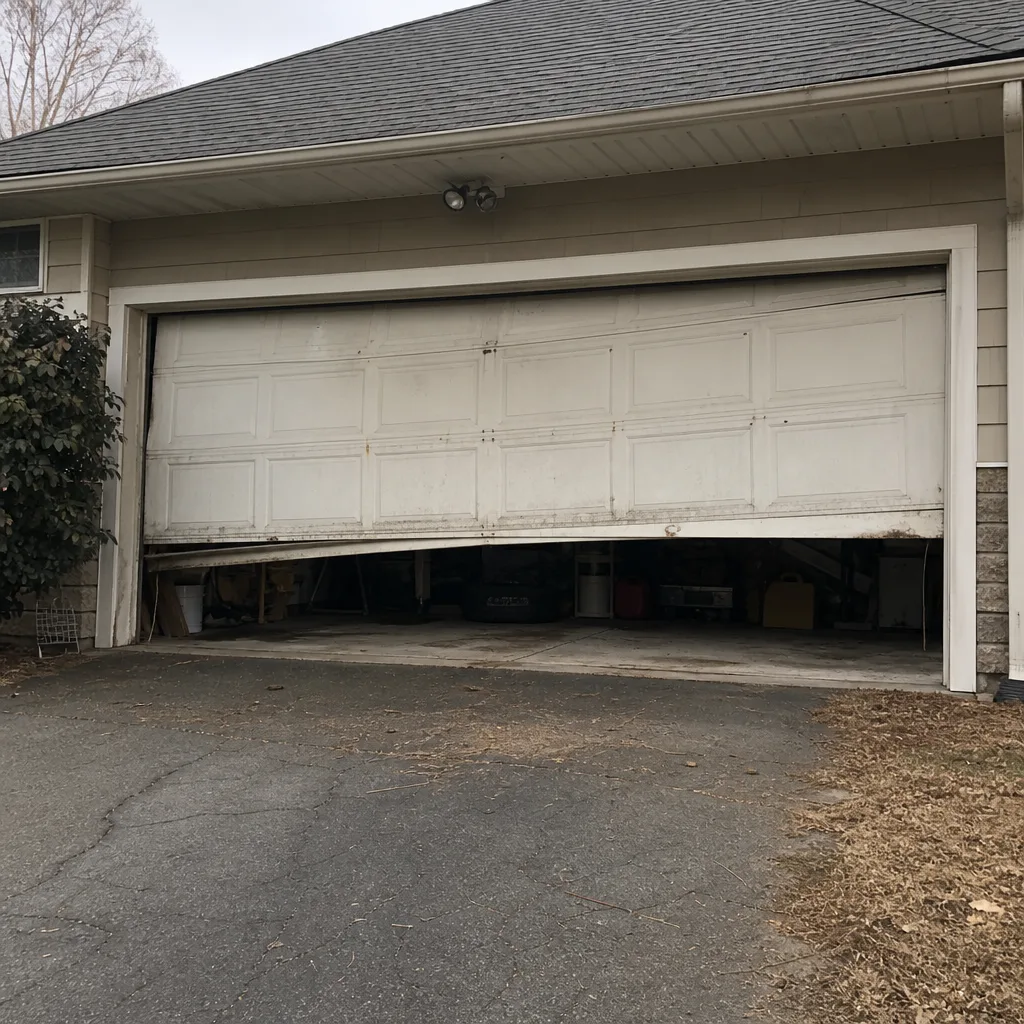 Before
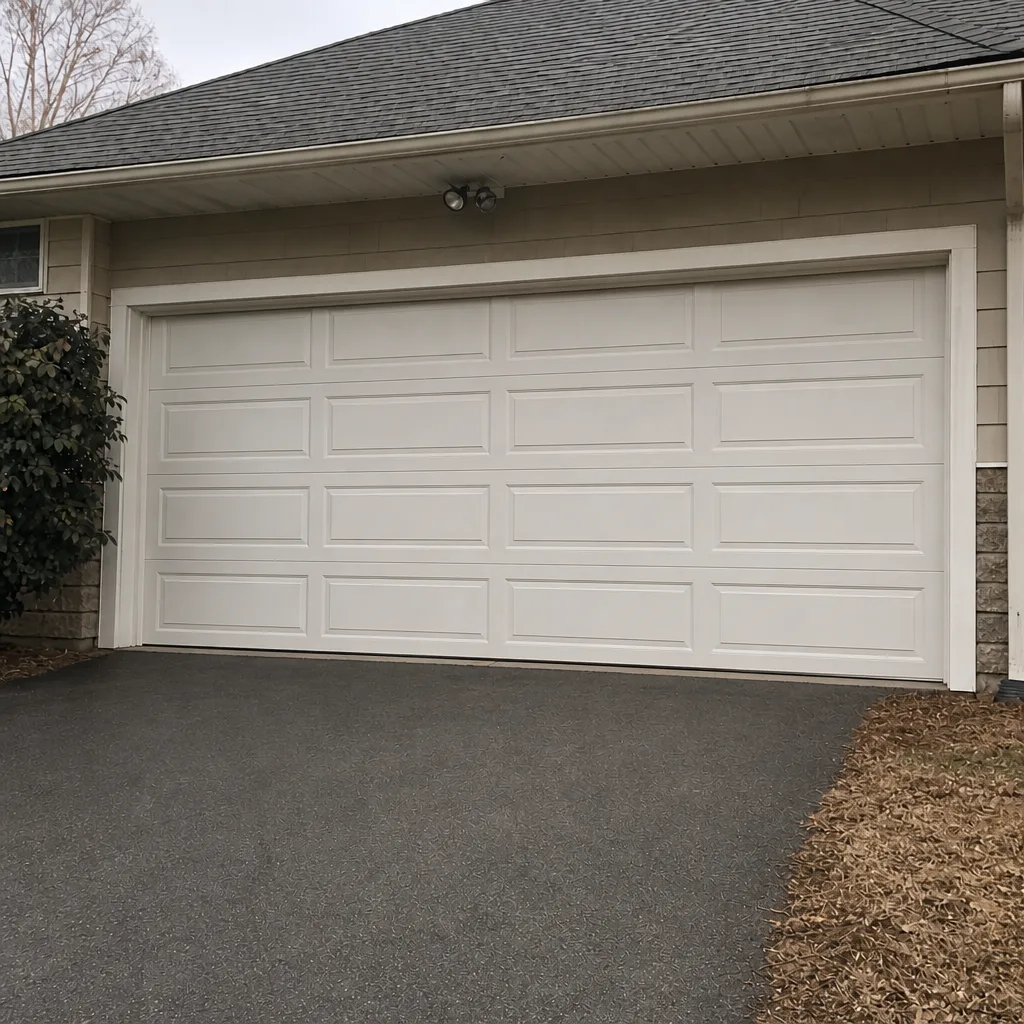 After
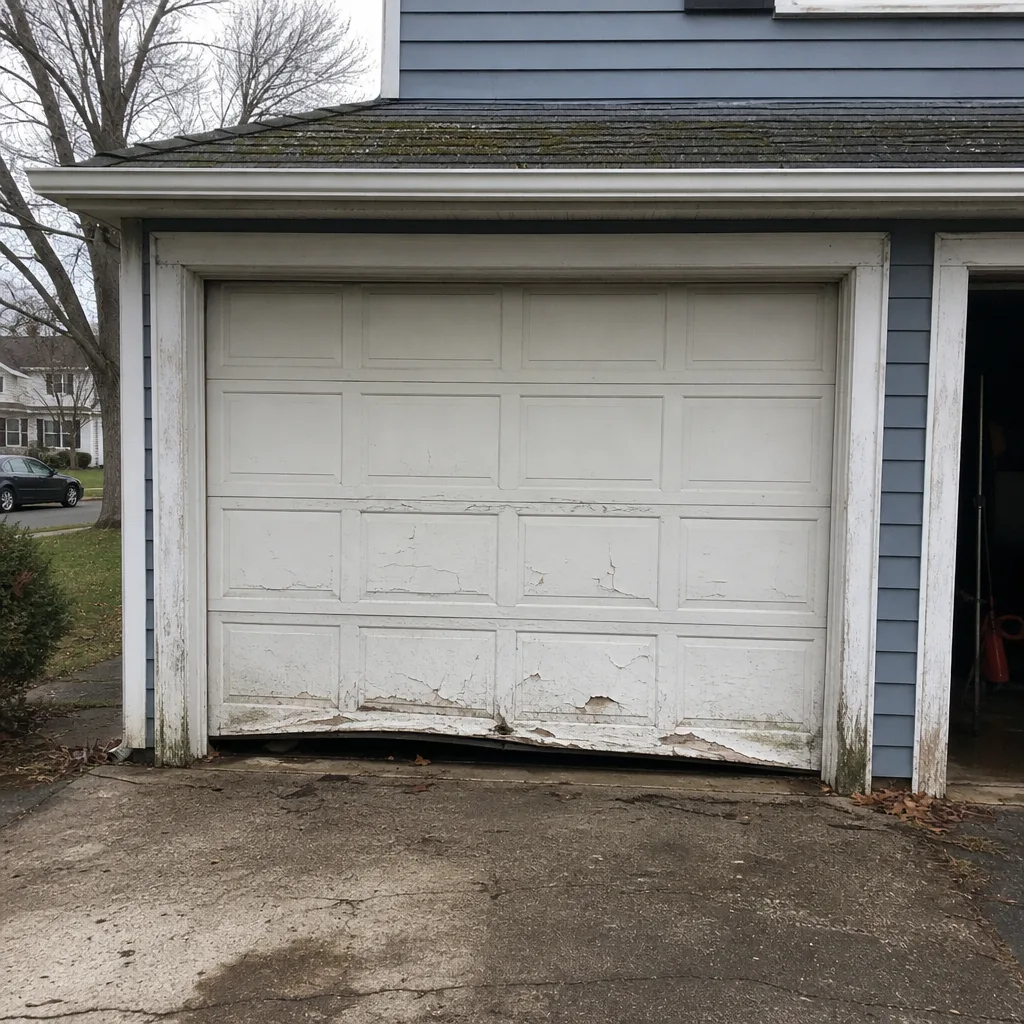 Before
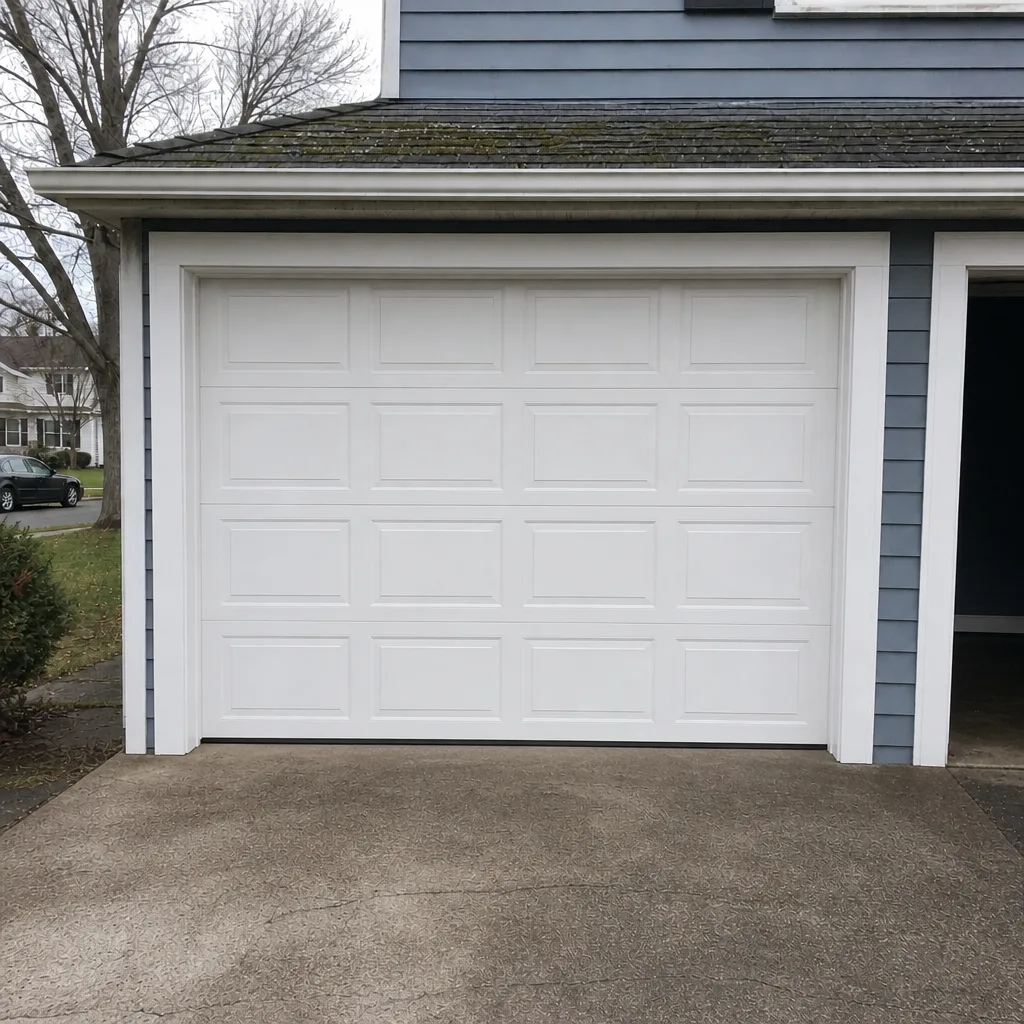 After
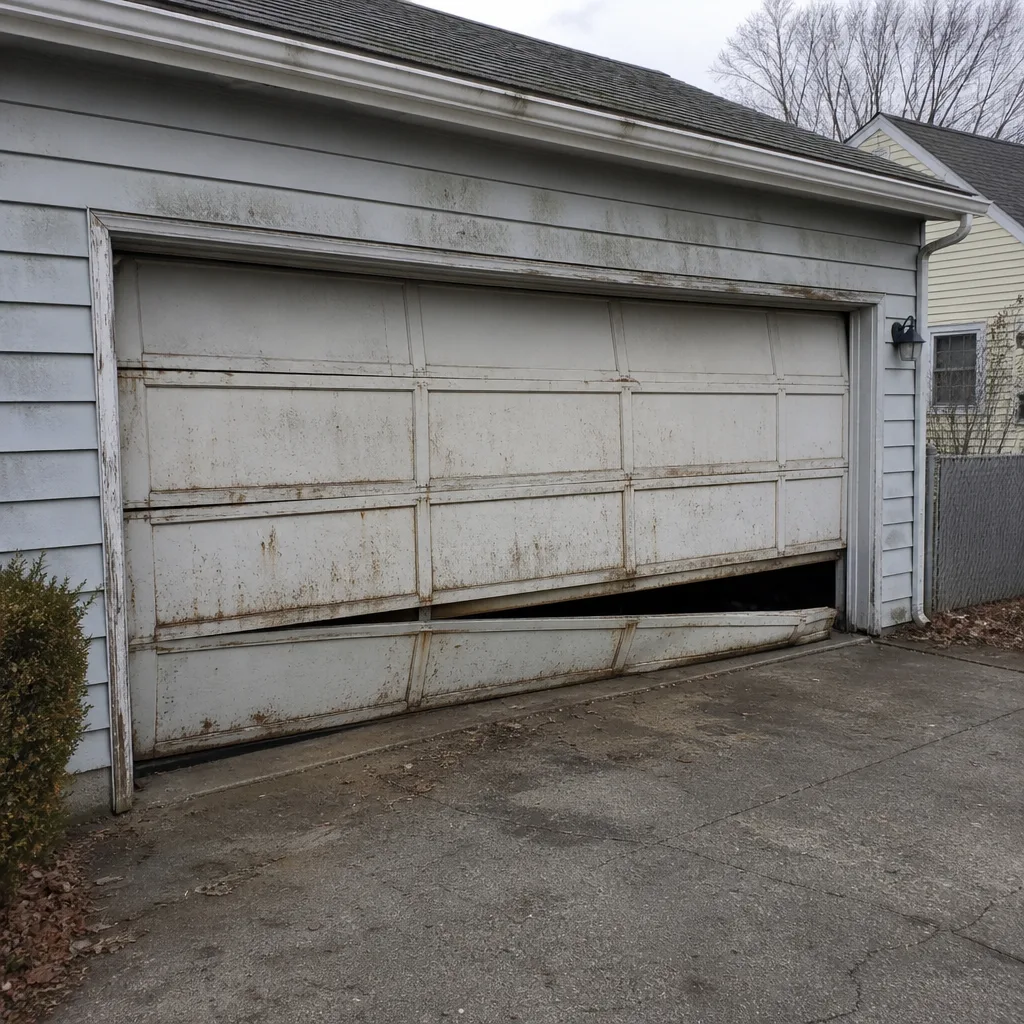 Before
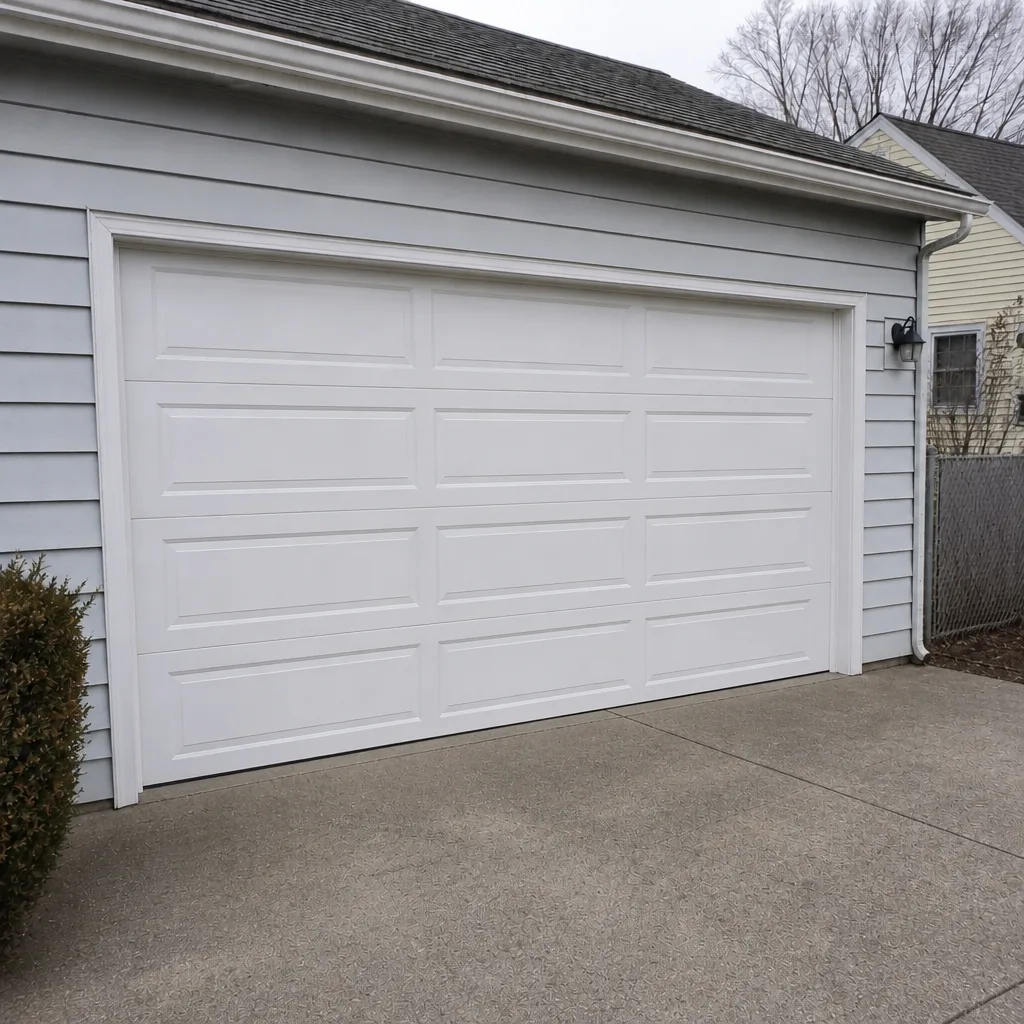 After
When to Call a Professional
Call a trained technician when a torsion or extension spring breaks, when cables go slack, when the door binds or comes off its track, or when the opener hums and the door doesn’t move. Springs and cables are stored under tension and can cause serious injury if handled wrong, so don’t try to release them yourself. Call a pro if you’re not sure whether your replacement job is like-for-like or structural – we can measure the opening and tell you where the job falls. We can also help you think through the door choice when a permit-track project needs a wind-load-rated assembly.
Lawrence Garage Door Repair Co offers free estimates in Lawrence – call (877) 492-1952. We work on the door you have, across the eight major brands we service, and we’ll tell you what the door actually needs, not what’s easiest to sell. Written prices are agreed before any work starts.
Frequently Asked Questions
A like-for-like replacement – same size door in the same opening – generally does not require a permit in Lawrence. Structural changes to the opening, header, or framing do require a permit and an inspection under the Massachusetts State Building Code. When in doubt, call the Lawrence building department before work starts. Call (877) 492-1952 if you’d like a free measurement to help you decide which category your job is in.
No – the written quote is the price. We inspect the door on site, measure the opening, and give you a written estimate before any work starts. That estimate covers what we find. If we discover something different during the job (a bent track or hidden damage under the door), we stop and talk to you before doing any additional work. Estimates are free. Call (877) 492-1952.
An opener-only replacement almost never needs a permit in Lawrence. Swapping a failed opener for a new unit on the same door and same outlet is normally a non-permit job. If the opener install requires a new dedicated circuit from the panel, that’s an electrical permit and electrical inspection, separate from the door work. If the opener is going in alongside a new door on a structural project, the opener rides along inside the door permit.
A building inspection tied to a garage door project checks structure and safety, not door function. The inspector looks at the header and framing, the fasteners and blocking, the wind-load documentation for the door assembly, fire separation where the garage shares a wall with the dwelling, and the safety reversing system on the opener. Spring tension, roller noise, and opener travel are service items, not inspection items – those are the technician’s job, not the inspector’s.
Yes, but plan for it. A missing permit on structural garage door work can delay a closing while it’s sorted out. Start by calling the Lawrence building department to pull the permit history for your address. If there’s no record, ask what they need to retroactively document the work – often that means opening a permit and having the work inspected as it stands. Buyers’ attorneys in Essex County routinely check for this.
In most cases, yes, if the door you buy carries a wind-load rating that meets the design wind speed for your Lawrence address. Doors from major manufacturers such as Amarr and Raynor publish wind-load ratings for their product lines, and the spec sheet is part of the permit submittal when the job is on a permit track. Confirm the design wind speed for your address with the building department and match the door’s rating to it. Standard residential doors on like-for-like swaps usually clear the code minimum without extra reinforcement, though heavier doors may need reinforced track and brackets.
The Bottom Line
Garage door permits in Lawrence follow one rule: a door is a component, and structure is structure. Change the door and you’re likely in the clear. Change the opening, header, or framing and you’re on a permit-and-inspection track under the Massachusetts State Building Code. Keep a small file on every job – spec sheet, invoice, and any permit sign-off – and call the Lawrence building department before committing to anything structural. Springs and cables are the dangerous parts, and they belong to a trained technician, not a weekend project. If your door is due for a repair or a replacement, one call covers it from diagnosis through installation.
Call Lawrence Garage Door Repair Co at (877) 492-1952 for a free estimate. Same-day service available, fast dispatch from 7am to 7pm, and emergency service when your door won’t open and you can’t wait.
Written by the team at Lawrence Garage Door Repair Co.