Last updated November 22, 2026
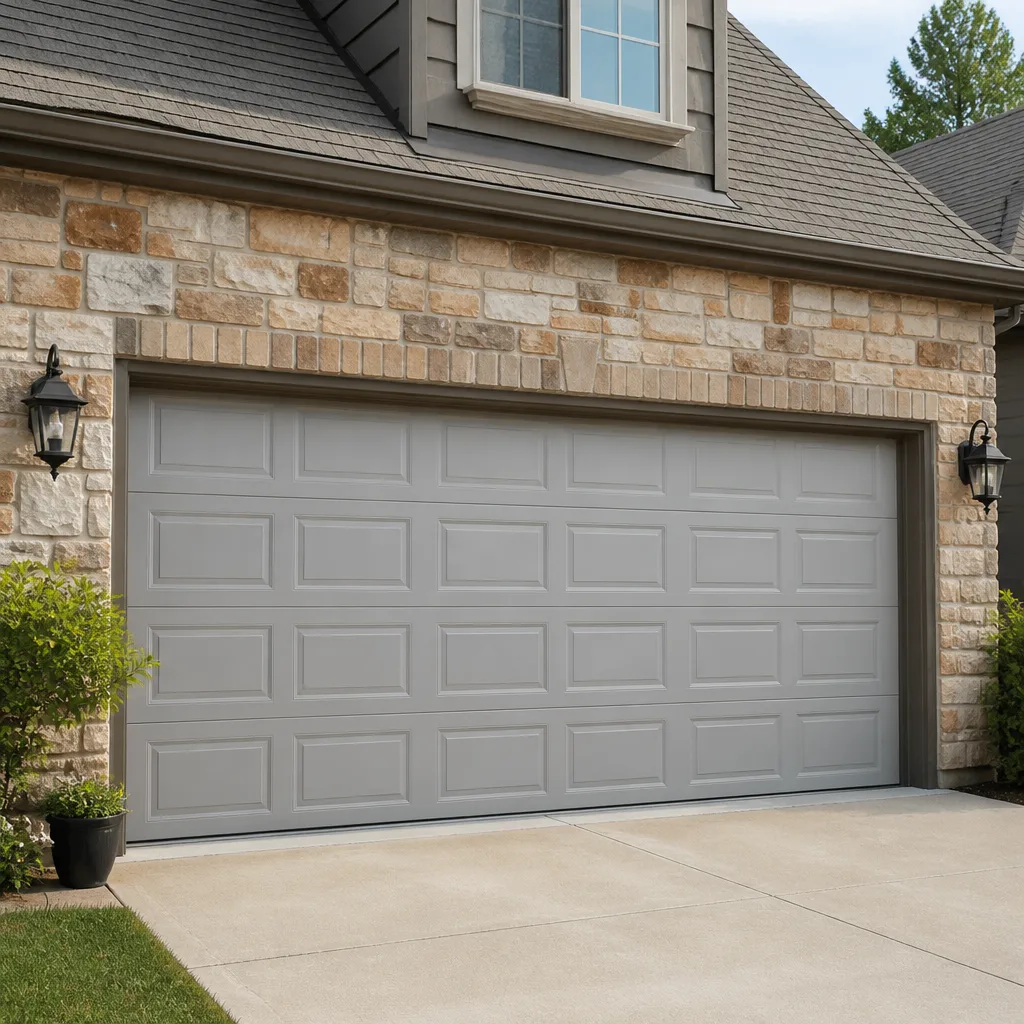 Raised-panel steel
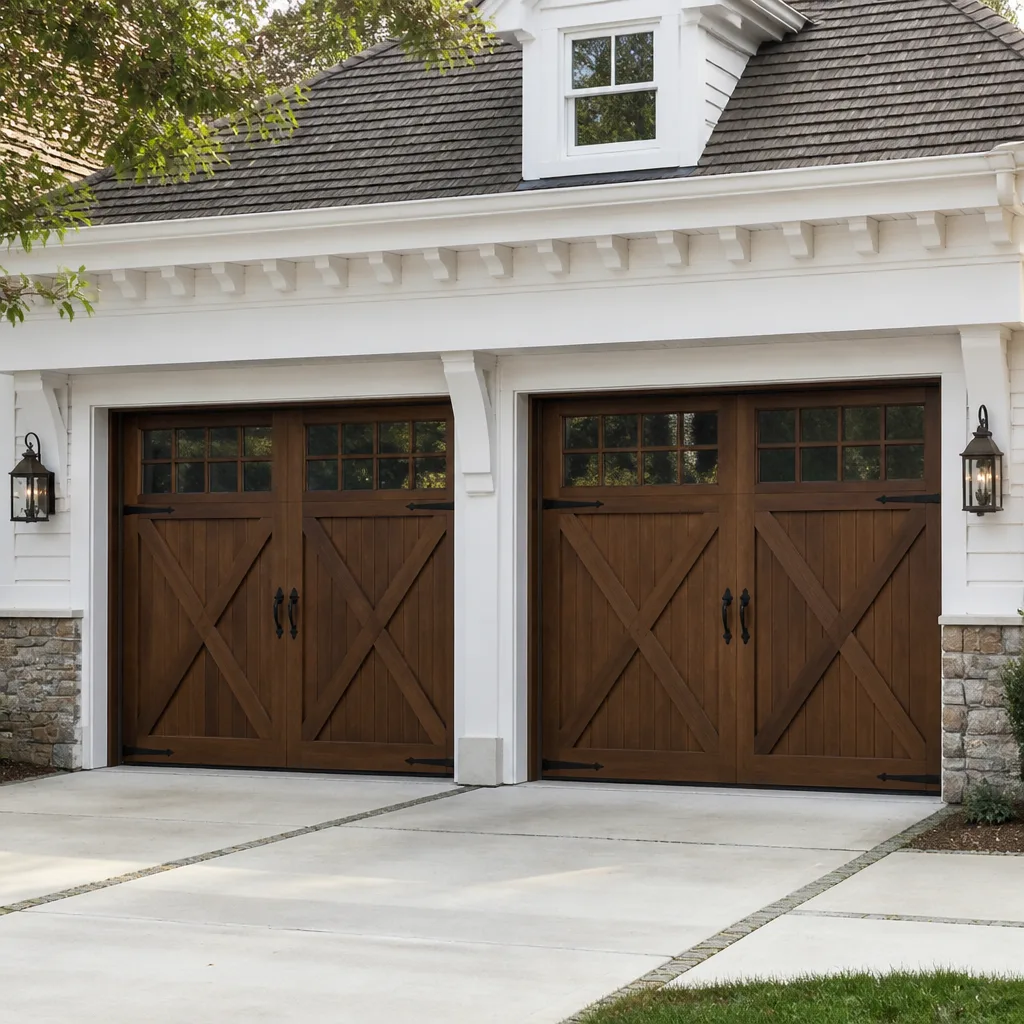 Carriage house
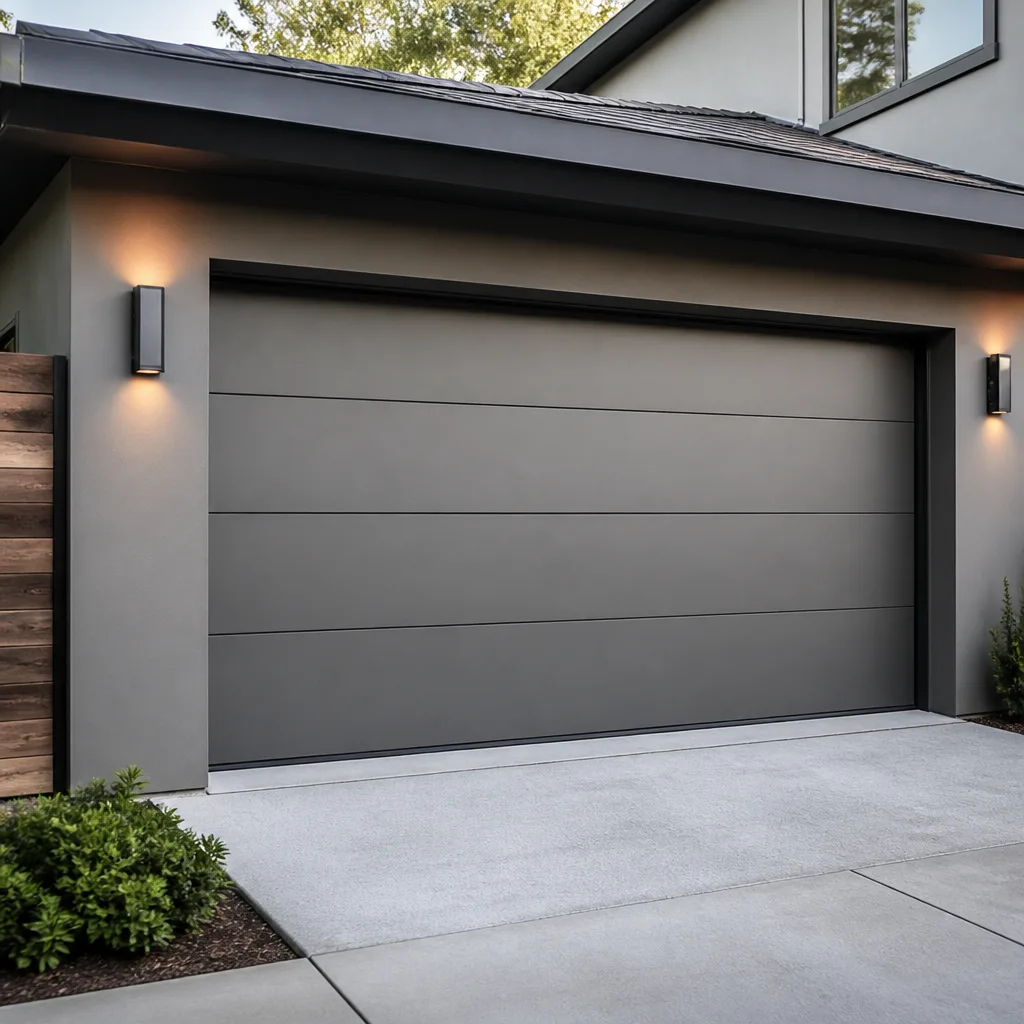 Modern flush
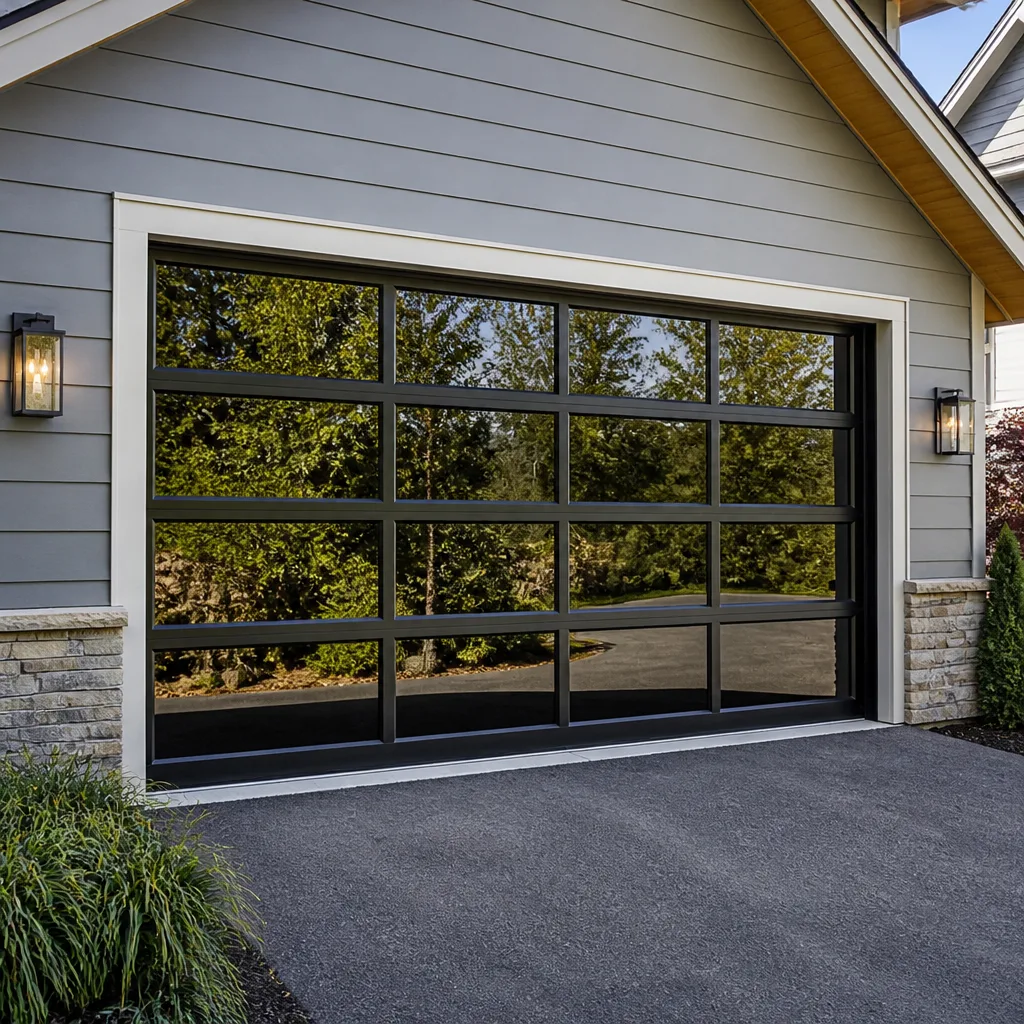 Full-view glass
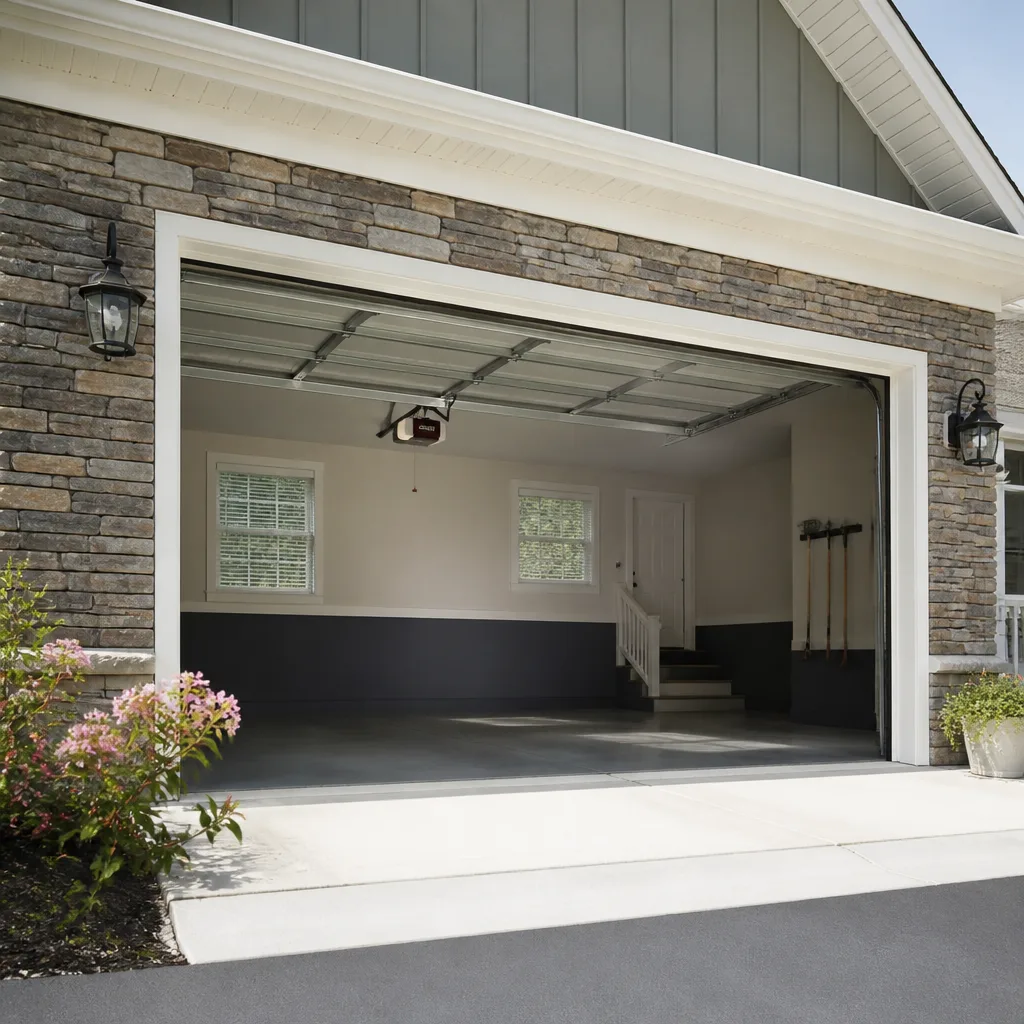 LiftMaster openers
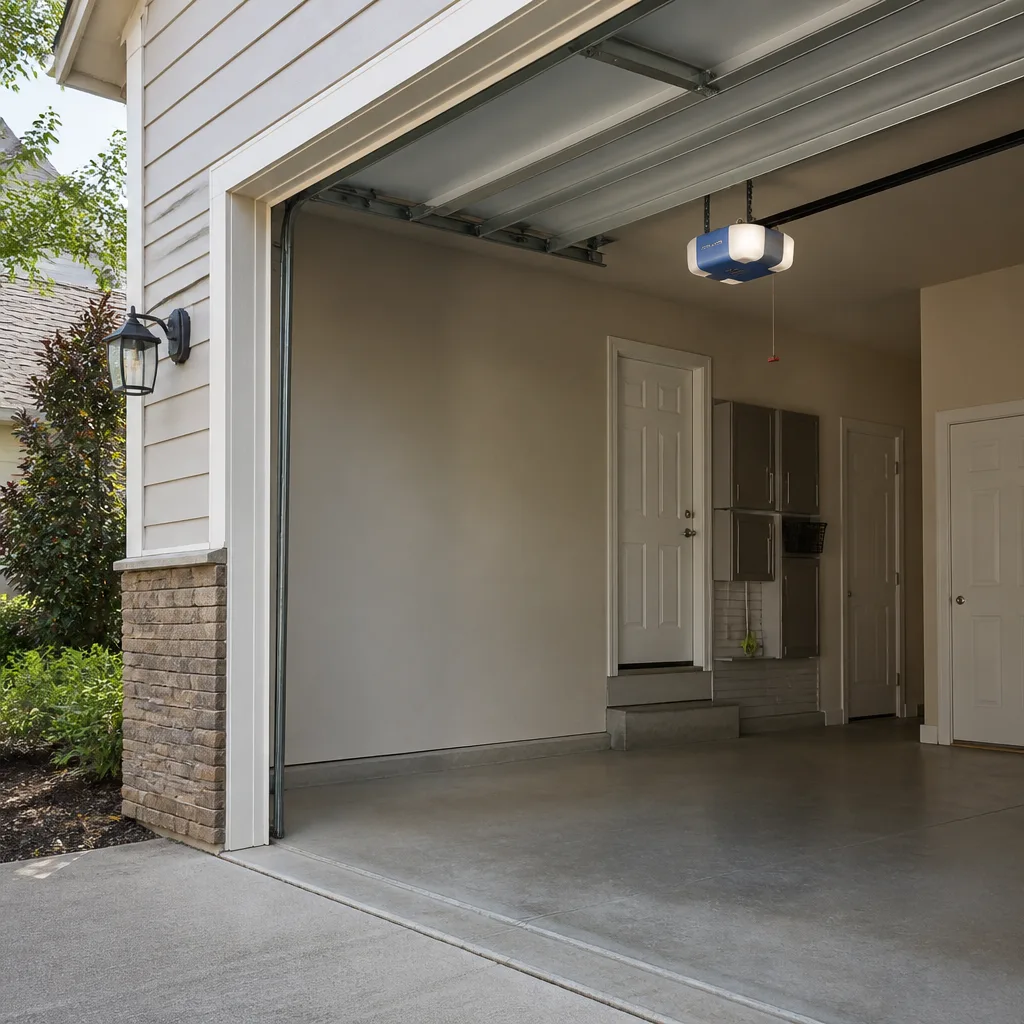 Chamberlain openers
Full 25-point door and opener safety check with every visit - springs, cables, rollers, tracks, and your LiftMaster or Chamberlain opener included
You get a price before we start. It does not change when the pro arrives.
Get your free estimateGarage Door Emergency Preparedness Guide for Lawrence Homes
Most garage door emergencies in Lawrence aren’t caused by the door itself. They’re caused by what happened before the door failed: an emergency release cord that got unhooked during a renovation and never reattached, an opener with no battery backup, a spring that had been making noise for weeks. The failure is sudden. The preparation, or the lack of it, is not.
Lawrence winters make this worse. A door that sticks in July is an annoyance. A door stuck open in a January cold snap is a security problem and a frozen-pipe problem at the same time. This guide walks through the scenarios our technicians respond to most often in Lawrence, what you can safely do before help arrives, and what information to have ready so the repair goes faster when it matters. We’ll cover the manual release, power outages, stuck doors, broken springs, and how to build a plan before you need one.
Quick Answer
Garage door emergency preparedness in Lawrence comes down to four things: knowing where your manual release cord is and confirming it works, knowing whether your opener has battery backup, having a written list of your door and opener model numbers, and calling a trained technician instead of forcing a heavy door. A door with a broken spring or snapped cable should never be lifted by hand. Keep the area clear, secure the opening as best you can, and call for service.
Styles & brands we work with
- Raised-panel steel
- Carriage house
- Modern flush
- Full-view glass
- LiftMaster openers
- Chamberlain openers
Table of Contents
- How the Manual Release Cord Works (and How to Test It)
- What to Do When a Door Is Stuck Open in Winter
- Power Outage Protocol: Battery Backup or No Battery Backup
- When a Broken Spring Makes the Door Too Heavy to Lift
- Snapped Cables, Bent Tracks, and Off-Track Doors
- Building Your Emergency Information Kit
- Why Brand-Specific Knowledge Matters in an Emergency
- Seasonal Checks That Prevent Most Emergencies
How the Manual Release Cord Works (and How to Test It)
The manual release cord is the single most important piece of emergency equipment on your garage door, and it’s also the piece most likely to be broken without anyone knowing. The cord hangs from the trolley that rides along the opener’s rail. Pulling it disconnects the door from the opener so you can lift it by hand. It takes about ten seconds to test, and doing that test once a season catches the problem before a power outage or a dead motor exposes it.
Here’s how to check it safely, with the door closed and the opener disengaged from any cycle:
- Stand at the door with the opener turned off at the wall switch or unplugged.
- Locate the cord, usually a red or black handle hanging from the trolley above the door’s center.
- Pull straight down firmly. You should feel the trolley release with a distinct click.
- Lift the door by hand a few inches, then lower it. It should move smoothly and stay where you put it.
- Reconnect by running the opener once. The trolley should re-engage on its own.
If the cord is missing, zip-tied to the rail, or pulls without releasing anything, that’s a defect worth fixing before winter. In Lawrence, we run into release cords disconnected during basement remodels or ceiling work more often than any other single issue. The homeowner doesn’t find out until the door won’t open and there’s no way to disengage it manually.
One caution: with the door disconnected, the door is only as balanced as its springs are healthy. If the door feels heavy or drops when you lift it, stop and reconnect. That’s a spring issue, not a release issue.
What to Do When a Door Is Stuck Open in Winter
A door stuck open in Lawrence in January is two problems at once: an unsecured house and a cold, exposed garage. The immediate priority is closing the opening, not diagnosing the door. Once the opening is secured, you can take your time figuring out what failed.
Temporary measures that work while you wait for a technician:
- Lower the door manually if it’s safe. If the door lifts easily by hand and the tracks are straight, disengage the opener and walk the door down. Never force it if it feels heavy or binds.
- Brace the door closed from inside. A length of lumber cut to fit between the door and the floor, or a couple of clamps on the track above a roller, will hold a door that wants to drift back up.
- Cover the opening if the door won’t close. A heavy tarp secured over the frame keeps wind and snow out and keeps the garage from becoming a wind tunnel. It’s not security, but it buys time.
- Move anything vulnerable off the garage floor. Paints, chemicals, and anything that freezes should come inside.
- Check the interior door to the house. Make sure it’s closed and latched. A garage stuck open pulls cold air against that door and can freeze pipes in a connected wall.
Lawrence homes often have garages attached directly to living space, and a door stuck open for a full night in a cold snap can drop the temperature inside the garage enough to matter for plumbing in an adjacent wall. Close the interior door and, if the garage has a heat run, leave it on. If you have a space heater, keep it well clear of anything flammable and don’t leave it running unattended overnight.
Once the opening is secure, call for service. A door stuck open is usually a broken spring, a snapped cable, or a track that’s been knocked out of alignment. All three need a trained hand.
Power Outage Protocol: Battery Backup or No Battery Backup
Whether a power outage traps your car depends entirely on one question: does your opener have battery backup? Many modern openers from LiftMaster and Chamberlain ship with a battery in the head unit that lets the door run a limited number of cycles when the power drops. Older openers, and many Genie models, do not. Knowing which you have is the difference between waiting out the outage comfortably and disengaging the door by hand in the dark.
Check for battery backup by looking at the opener head. If there’s a small battery compartment with a removable pack, you have it. If not, you don’t. Test it once a year by unplugging the opener and running the door with the wall switch or remote. If it moves, the battery is holding. If not, the battery needs replacing or there’s no backup at all.
If you don’t have battery backup, here’s the outage sequence:
- Pull the manual release cord to disconnect the door from the opener.
- Lift the door by hand. It should move with reasonable effort. If it feels extremely heavy, stop; you may have a compromised spring.
- Walk the door up and secure it in the open position with a clamp on the track, or leave it closed if you don’t need to move a car.
- When power returns, run the opener once to re-engage the trolley.
A word on generators: if you run the opener off a portable generator, plug the opener in directly and don’t backfeed the house circuit. The opener’s control board is sensitive, and a dirty generator supply can damage it.
When a Broken Spring Makes the Door Too Heavy to Lift
A torsion or extension spring does most of the work of lifting your garage door. When it breaks, the door’s full weight, often 150 pounds or more, comes down on whatever is trying to lift it. That’s why a door with a broken spring can’t be opened by hand, and why forcing it causes secondary damage that turns a spring repair into a much bigger job.
Signs of a broken spring:
- A loud bang from the garage, often described as sounding like a gunshot.
- A visible gap in the torsion spring above the door, or a stretched, dangling extension spring along the track.
- The door opens a few inches and stops, or the opener runs but the door doesn’t move.
- The door feels extremely heavy when you try to lift it with the opener disengaged.
If you suspect a broken spring, don’t run the opener. Don’t try to lift the door. Don’t try to wind, unwind, or adjust the spring yourself. Torsion springs are under enough tension to cause serious injury, and the winding process requires specific tools and training. This is the one repair in the garage door trade where the safety margin is thinnest. Our garage door spring repair technicians handle spring work as a dedicated service precisely because it’s the repair most often botched by people who shouldn’t be touching it.
If the door is stuck closed with a broken spring, and you need a car out, call for emergency service. Disconnecting and forcing a door with a broken spring risks bending the panels, tearing the tracks out of the wall, and in the worst case letting the door come down uncontrolled. It’s not worth the risk to save an hour. Lawrence Garage Door Repair Co handles spring emergencies as a core service.
Snapped Cables, Bent Tracks, and Off-Track Doors
A snapped cable is the second most common emergency we see, and it usually announces itself with a sharp snap followed by the door hanging at an angle. Cables run along the sides of the door and work with the springs to keep the door level as it travels. When one cable lets go, the door comes down crooked, jams in the track, and can’t be operated.
What to do when a cable snaps:
- Stop running the opener immediately. Continuing to cycle the door will bend panels and damage the track.
- Don’t try to lift the door. A door hanging on one cable is unstable and can drop.
- If the door is partially open, keep people and pets away from it and don’t walk under it.
- Call for service. Cable replacement requires new cables matched to the door’s weight and spring setup.
Off-track doors follow similar rules. A door that’s jumped its track, usually after a car bumped it or a roller failed, is under tension from the springs and can come down suddenly if it’s forced back into place. Don’t push it. Don’t try to bend the track back by hand. Leave it and call.
Bent tracks are worth flagging separately because they’re often the cause of a door that sticks partway and then slams. A track that’s been nudged out of plumb by a car bumper or a ladder will cause the rollers to bind. The door may run for weeks before it finally jams. If you notice the door hesitating or making a scraping sound at one height, get it checked. In Lawrence, a jammed track combined with cold weather is one of the most common emergency calls we get.
Building Your Emergency Information Kit
The single biggest factor in how fast an emergency repair goes is whether the technician knows what door and opener they’re walking into. A tech who knows the make, model, and approximate door weight before arriving can bring the right springs or opener parts on the first trip. A tech who doesn’t has to guess, diagnose, and often make a second trip.
Put this information on a single sheet, keep it in a drawer near the garage, and photograph it so it’s on your phone:
- Door manufacturer and model. Look for a sticker on the inside of a panel or the bottom section. Clopay is one of the makes we see most often in Lawrence, and their model numbers are usually on the left inside edge of the bottom panel.
- Door type. Sectional, one-piece, roll-up, or carriage house. Note the number of panels and whether it’s insulated.
- Opener manufacturer and model. LiftMaster, Chamberlain, Genie, and Craftsman are the four we run into most. The model is printed on the back or side of the head unit, and on the inside of the light lens cover on many units.
- Spring type and quantity. Torsion (mounted above the door on a shaft) or extension (two springs along the tracks). Note whether there’s one spring or a matched pair.
- Approximate door weight or size. Width and height of the opening.
- Any known history. When the door was last serviced, and whether the springs have been replaced in the current owner’s time in the home.
- Your contact and address details. Including any gate codes or access instructions.
That sheet turns a call from “my door is broken” into “my Clopay sectional door with a Genie opener has a snapped torsion spring, and here are the model numbers.” The difference in repair time can be substantial, and it’s the difference between one visit and two.
Why Brand-Specific Knowledge Matters in an Emergency
Garage door openers from different manufacturers use different parts, different tolerances, and different failure patterns. A technician who works on all of them knows that a LiftMaster logic board failure looks different from a Genie one, and that a Chamberlain opener sometimes needs a travel-limit reset that a Craftsman of similar age does not. In an emergency, that knowledge is what turns a diagnosis into a repair in a single visit.
Lawrence Garage Door Repair Co services LiftMaster, Chamberlain, Genie, Clopay, Amarr, Wayne Dalton, Craftsman, and Raynor equipment. That matters for three reasons in an emergency:
- We know what parts to bring on the first trip. Brand knowledge means fewer return visits.
- We can often repair rather than replace. Not every failed opener needs a new unit; plenty need a gear, a capacitor, or a logic board.
- We diagnose the door you have. We see eight competing brands regularly, so our recommendations are driven by what your door needs, not by what’s easiest to sell.
If your opener or door is on that list, mention the brand when you call. If it isn’t, mention that too. It helps us route the right technician. And when you’re ready for a repair on a door that isn’t an emergency, our garage door repair page covers what’s involved in a standard service visit.
Seasonal Checks That Prevent Most Emergencies
Most garage door emergencies we’re called for in Lawrence are downstream of something that was visible weeks earlier: a spring that had started to sag, a cable with a frayed strand, a weather seal that had pulled loose and was dragging. A short seasonal check list catches most of that.
In late fall, before the cold sets in:
- Test the manual release cord and confirm the trolley disconnects and re-engages.
- Test battery backup by unplugging the opener and running the door.
- Look at the springs. A torsion spring with a visible gap is broken. Springs that look stretched or sagging on extension doors are on the way out.
- Run your hand along the cables (with the door closed) looking for frayed or broken strands.
- Look at the weather seal along the bottom. A cracked or torn seal lets in cold air and can drag on the door, straining the opener.
- Lubricate the rollers, hinges, and springs with a garage-door-specific lubricant, not oil and not grease.
- Run the door through a full open-and-close cycle and listen for changes: scraping, popping, or a hesitation at one height. Any of those means a service call before the cold.
In spring, repeat the release cord and battery tests, and check the tracks for anything that got bumped during the winter. In Lawrence, the freeze-thaw cycle moves the ground and, occasionally, moves the garage floor too. A door that was smooth in October can start catching in March.
Common Mistakes to Avoid
- Forcing a door with a broken spring. The door weighs much more than the spring was designed to lift with you, and the opener’s gears will strip or the door will come down. Call for spring service instead.
- Pulling the manual release with the door open. Releasing the door while it’s above your head lets it come down uncontrolled if the springs aren’t balanced. Test the release with the door fully closed.
- Assuming the opener has battery backup. Many older Genie and Craftsman units don’t. Test by unplugging before the outage, not during it.
- Ignoring a slow start or a loud pop. A spring that’s about to fail often gives a warning. A door that’s started hesitating or banging is telling you something.
- Using WD-40 or grease on the tracks. WD-40 attracts dust and grease collects grit; both make the rollers bind worse. Use a garage-door-specific lubricant designed for the job.
- Not knowing what door you have. Without model numbers, the technician has to diagnose from scratch and may need a second trip for parts. Write the numbers down before the emergency.
- Calling a generalist handyman for a spring or cable. These are high-tension repairs. Use a garage door specialist with the training and the tools for the job.
When to Call a Professional
Call a professional for anything involving a spring, a cable, a track that’s out of alignment, or an opener that’s failed mid-cycle leaving the door in a bad position. Also call for a door that won’t open with the manual release, a door that’s come off one track, or an opener that runs but doesn’t move the door. These are the situations where forcing it risks injury or turns a small repair into a large one.
For repairs and emergencies where the door won’t open and you can’t wait, our team is set up for rapid response. For planned work like a spring replacement, a new opener, or a full door installation, we’d rather get a written price in front of you before any work begins, and every job is quoted and agreed before a technician starts.
If it’s a repair and the door won’t operate, call Lawrence Garage Door Repair Co at (877) 492-1952 for a free estimate. Estimates are free, and we’ll tell you what’s wrong before you commit to anything.
Frequently Asked Questions
First, check whether the opener is receiving power and whether the manual release has been pulled. If the opener runs but the door doesn’t move, or the door opens a few inches and stops, suspect a broken spring or a snapped cable. In that case, stop running the opener and call for service. Forcing the door will damage it and could injure you. Call (877) 492-1952 for an exact quote, and estimates are free.
Spring repair is quoted per spring based on the door’s weight and spring type, and a matched pair is usually replaced together so the pair costs roughly twice a single spring. The written estimate is the final price, and we don’t start work until you’ve agreed to it. Call (877) 492-1952 for an exact quote; estimates are free.
For emergency calls where the door won’t open or is stuck open, we schedule as quickly as we can, often the same day. Emergency service is a core part of what we do, not an add-on, so calling early in the day gives you the best chance of a same-day slot. Call (877) 492-1952 for an exact quote.
No. We diagnose the problem, put the price in writing, and you agree to it before any work starts. If the diagnosis turns up something different from what was described on the phone, we tell you and requote before we proceed. The written quote is the price. Call (877) 492-1952 to set up an estimate.
The local professionals we connect you with are trained on the major brands and carry the insurance their state requires for the trade. Our technicians have up to 15 years of experience, and that experience is specifically in garage door systems, not general handyman work. Call (877) 492-1952 to discuss your repair.
Use a garage door specialist for springs, cables, tracks, and opener diagnostics. A general handyman can handle a cosmetic panel or a weather seal. Springs and cables are high-tension work that requires specific tools and training, and a mistake there can cause serious injury. Call (877) 492-1952 for an exact quote; estimates are free.
See the difference
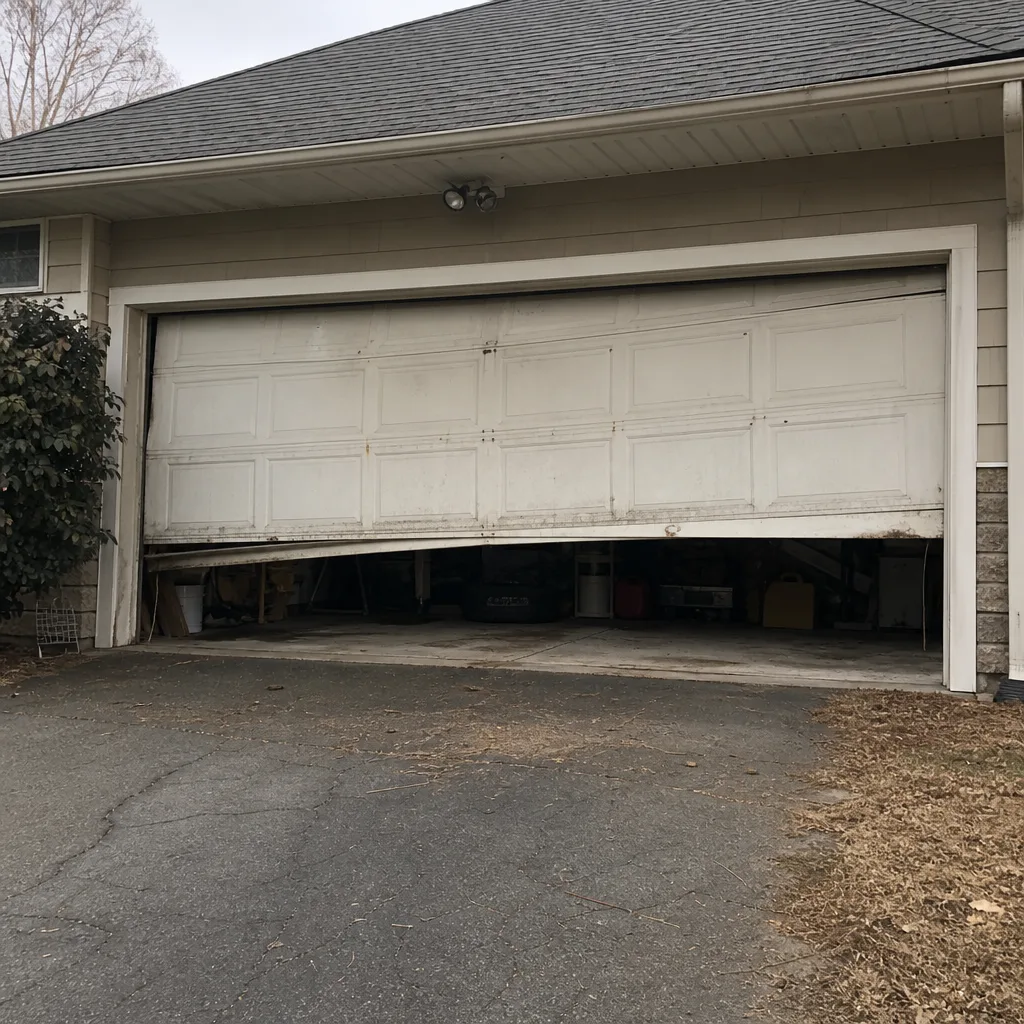 Before
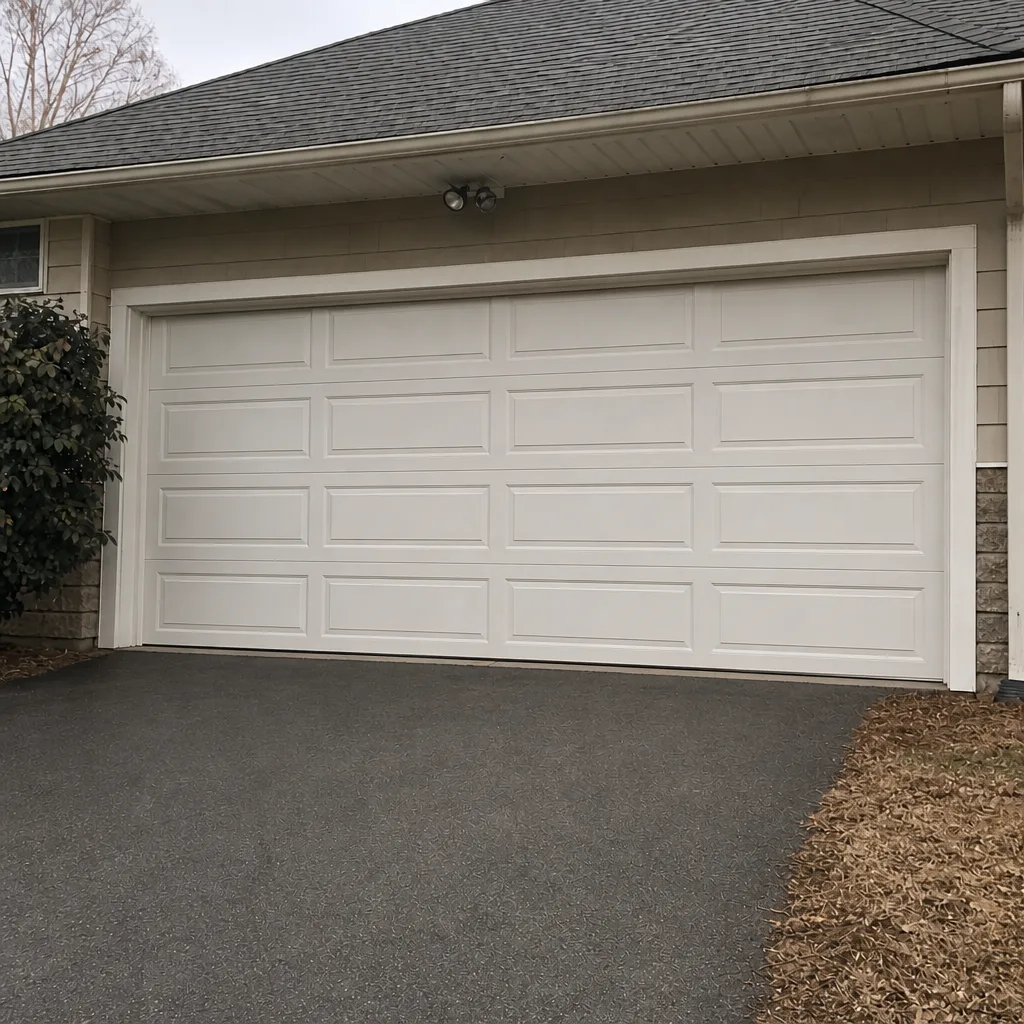 After
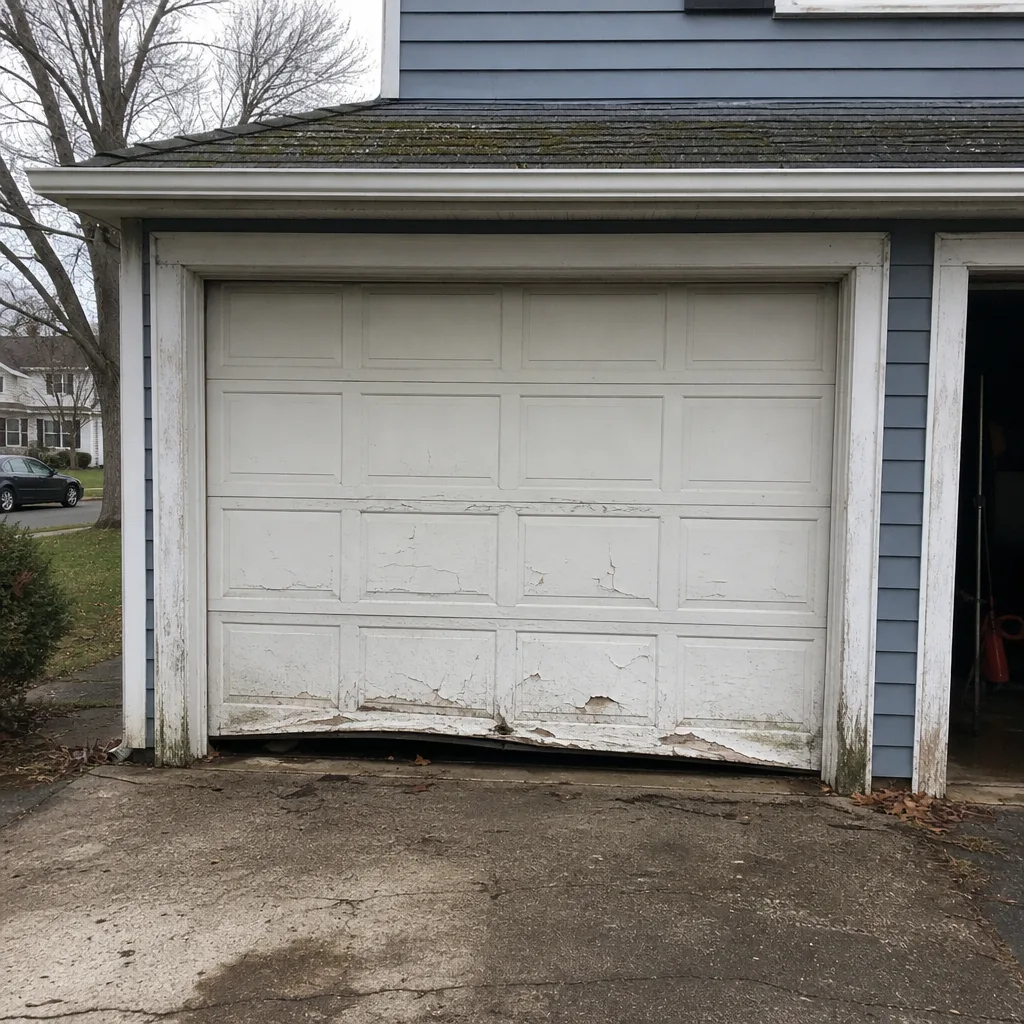 Before
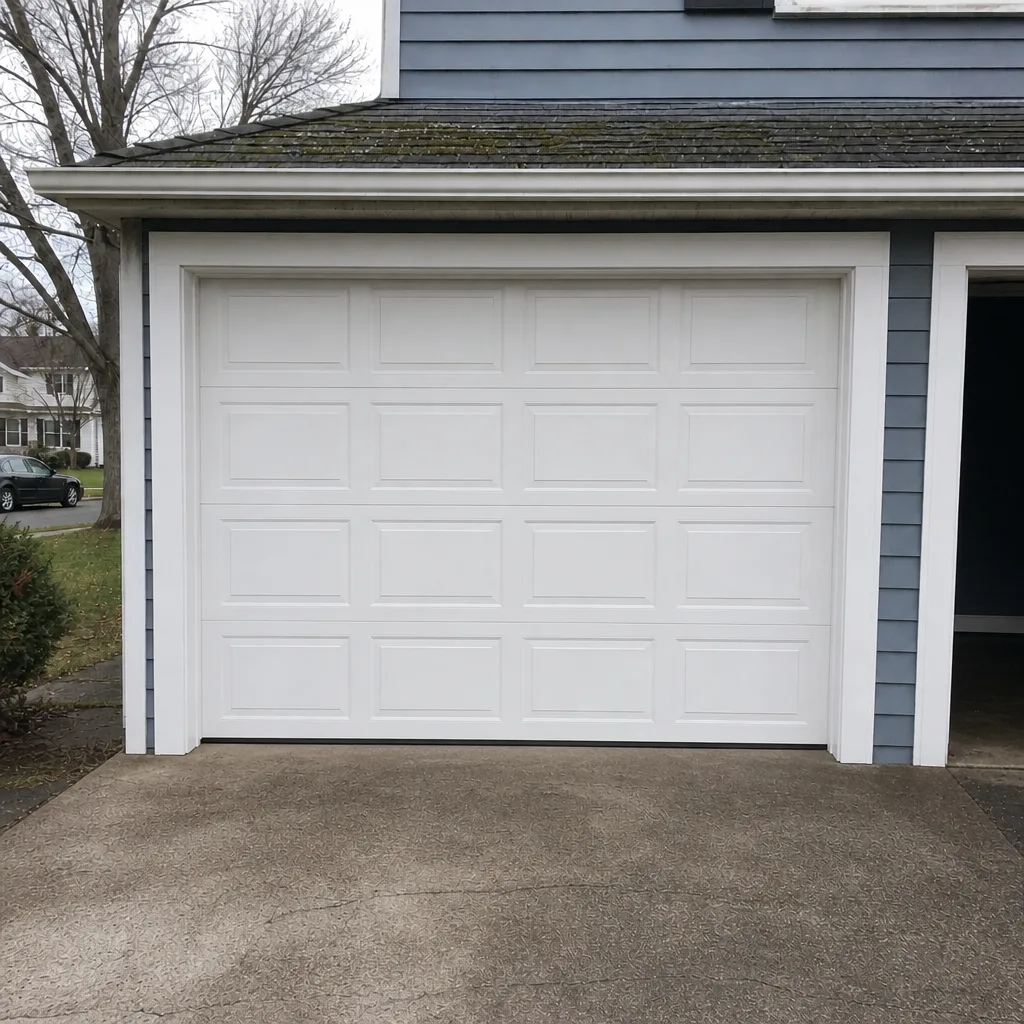 After
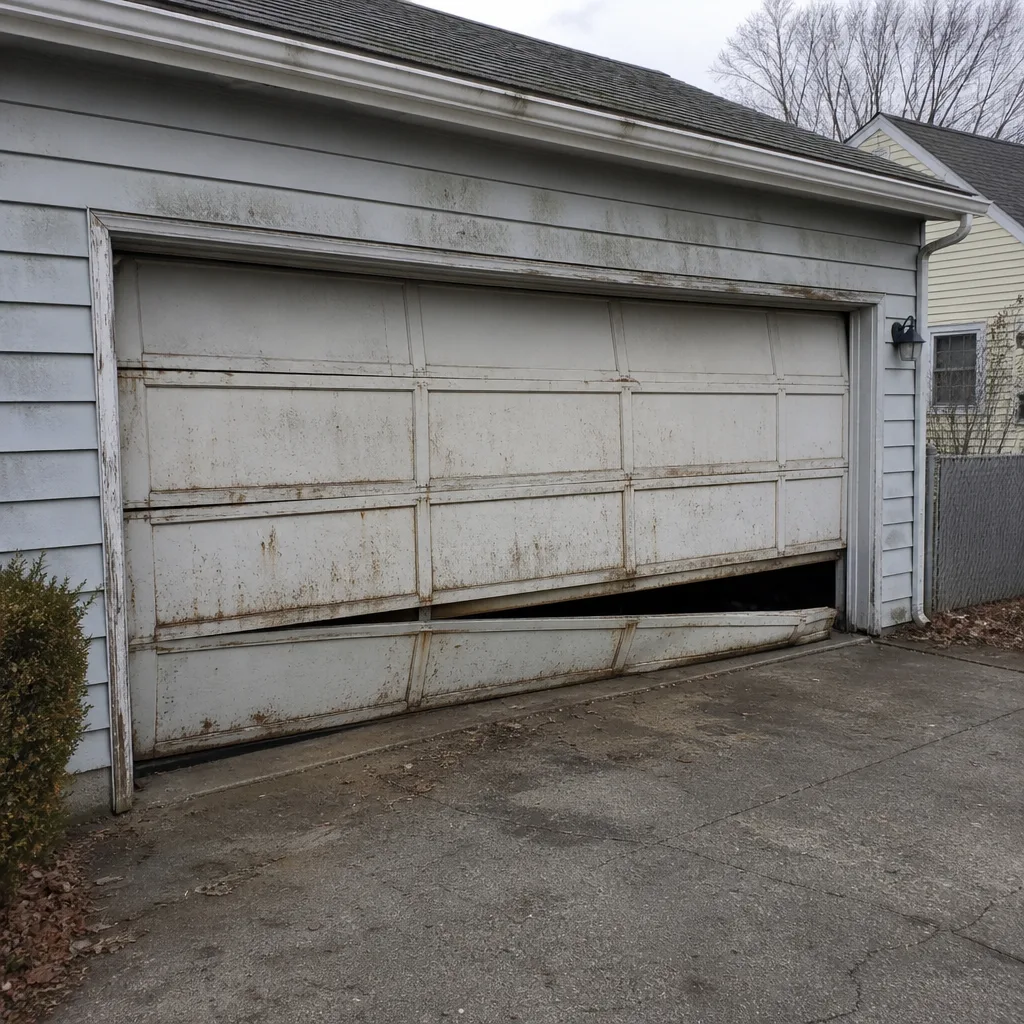 Before
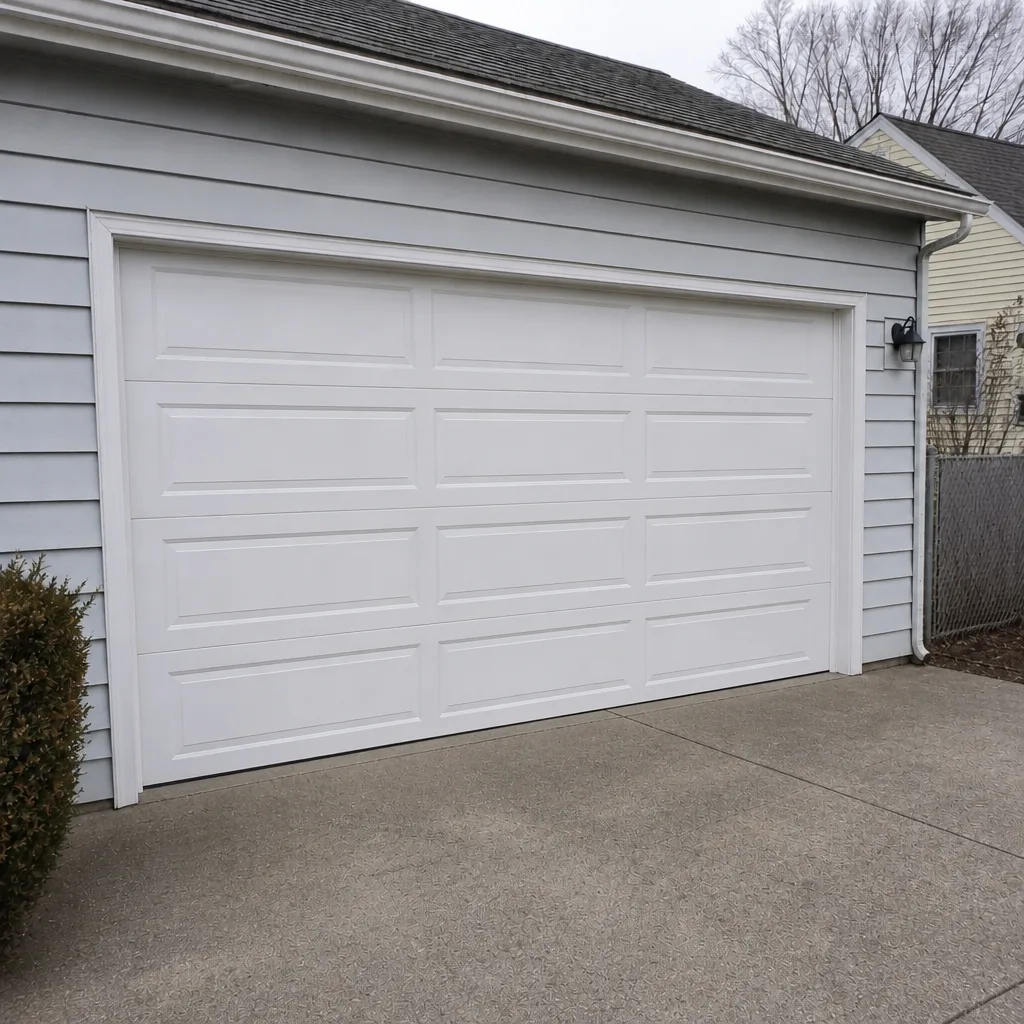 After
The Bottom Line
Garage door emergencies in Lawrence are predictable, and most are preventable with a short seasonal check. Test your manual release once a fall. Confirm your opener has battery backup or know it doesn’t. Write down your door and opener model numbers. Don’t force a door with a broken spring or snapped cable. If the door fails anyway, and you need garage door opener repair or spring service fast, call for a specialist rather than a generalist. The right fix, done by a trained technician, is almost always cheaper than the damage from forcing it.
If you’re in Lawrence and your door has stopped working, call (877) 492-1952 for a free estimate. We’ll tell you what’s wrong, quote it in writing, and get it moving again.
Written by the team at Lawrence Garage Door Repair Co.
Garage Door Emergency Preparedness Guide for Lawrence Homes
Most garage door emergencies in Lawrence aren’t caused by the door itself. They’re caused by the release cord someone unhooked during a basement remodel, the opener that never had battery backup, the spring that had been making noise for weeks. The failure comes suddenly; the preparation, or the absence of it, happened quietly months earlier. That gap is what this guide closes.
Lawrence winters make the gap matter more. A door stuck open in July is an annoyance. A door stuck open during a January cold snap is a security problem and an open invitation to frozen pipes in an attached garage. We’ll walk through the scenarios our technicians respond to most often in Lawrence, what you can safely do before help arrives, what never to attempt, and how to have your information ready so a repair happens in one visit instead of two.
Quick Answer
Garage door emergency preparedness for a Lawrence home comes down to four things: know where your manual release cord is and confirm it actually works, know whether your opener has battery backup, keep your door and opener model numbers written down, and never force a heavy door by hand. If your spring or cable has failed, don’t touch the door. Clear the area, secure the opening, and call Lawrence Garage Door Repair Co at (877) 492-1952.
Table of Contents
- How the Manual Release Cord Works and How to Test It
- What to Do When a Door Is Stuck Open in Winter
- Power Outage Protocol: Battery Backup or No Battery Backup
- When a Broken Spring Makes the Door Too Heavy to Lift
- Snapped Cables, Bent Tracks, and Off-Track Doors
- Building Your Emergency Information Kit
- Why Brand-Specific Knowledge Matters in an Emergency
- Seasonal Checks That Prevent Most Emergencies
How the Manual Release Cord Works and How to Test It
The manual release cord is the most important piece of emergency equipment on your garage door, and it’s the piece most often broken without anyone knowing. It hangs from the trolley that rides along the opener’s rail. Pulling it disconnects the door from the opener so you can lift it by hand. Testing it takes about ten seconds with the door closed, and doing that once a season catches the problem before a power outage or a dead motor exposes it.
Here’s how to check it safely. Do this with the door fully closed and the opener turned off at the wall switch or unplugged.
- Locate the cord, usually a red or black handle hanging from the trolley above the door’s center.
- Pull straight down firmly. You should feel the trolley release with a clear click.
- Lift the door by hand a few inches, then lower it. It should move smoothly and stay where you put it.
- Reconnect by running the opener once. The trolley should re-engage on its own.
If the cord is missing, zip-tied to the rail, or pulls without releasing anything, that’s a defect worth fixing before the cold sets in. In Lawrence, we run into release cords disconnected during basement remodels or ceiling work more than any other single issue. The homeowner doesn’t find out until the door won’t open and there’s no way to disengage it from the opener.
One caution: with the door disconnected, the door is only as balanced as its springs are healthy. If it feels heavy or drops when you lift it, stop and reconnect. That’s a spring problem, and we cover exactly what to do about it below.
What to Do When a Door Is Stuck Open in Winter
A door stuck open in Lawrence in January is two problems at once: an unsecured house and a cold, exposed garage. The immediate priority is closing the opening, not diagnosing the door. Once the opening is secure, you can take your time working out what failed.
Temporary measures that work while you wait for a technician:
- Lower the door manually if it’s safe. If the door lifts easily by hand and the tracks look straight, disengage the opener and walk the door down. Never force it if it feels heavy or binds.
- Brace the door closed from inside. A length of lumber cut to fit between the door and the floor, or a couple of clamps on the track above a roller, holds a door that wants to drift back up.
- Cover the opening if the door won’t close. A heavy tarp secured over the frame keeps wind and snow out and stops the garage from becoming a wind tunnel. It’s not security, but it buys time.
- Move anything vulnerable off the garage floor. Paints, chemicals, and anything that freezes should come inside.
- Check the interior door to the house. Make sure it’s closed and latched. A garage stuck open pulls cold air against that door and can freeze pipes in a connected wall.
Lawrence homes often have garages attached directly to living space, and a door stuck open for a full night in a cold snap can drop the temperature inside the garage enough to matter for plumbing in an adjacent wall. Close the interior door, and if the garage has a heat run, leave it on. If you run a space heater, keep it well clear of anything flammable and don’t leave it going unattended overnight.
Once the opening is secure, call for service. A door stuck open usually means a broken spring, a snapped cable, or a track knocked out of alignment. All three need a trained hand and the right parts on the first visit.
Power Outage Protocol: Battery Backup or No Battery Backup
Whether a power outage traps your car depends on one question: does your opener have battery backup? Many modern openers ship with a battery in the head unit that runs the door through a limited number of cycles when the power drops. Older openers, and many Genie models, don’t. Knowing which you have is the difference between waiting out the outage comfortably and disengaging the door by hand in the dark.
Check for battery backup by looking at the opener head. If you see a small battery compartment with a removable pack, you have it. If you don’t, you don’t. Test it once a year by unplugging the opener and running the door from the wall switch or remote. If the door moves, the battery is holding. If not, the battery needs replacing or there’s no backup at all.
If you don’t have battery backup, here’s the outage sequence:
- Pull the manual release cord to disconnect the door from the opener.
- Lift the door by hand. It should move with reasonable effort. If it feels extremely heavy, stop; you may have a compromised spring.
- Walk the door up and secure it in the open position with a clamp on the track, or leave it closed if you don’t need to move a car.
- When power returns, run the opener once to re-engage the trolley.
A word on generators: if you run the opener off a portable generator, plug the opener in directly and don’t backfeed the house circuit. The opener’s control board is sensitive, and a dirty generator supply can damage it.
When a Broken Spring Makes the Door Too Heavy to Lift
A torsion or extension spring does most of the work of lifting your garage door. When it breaks, the door’s full weight – often 150 pounds or more – comes down on whatever is trying to lift it. That’s why a door with a broken spring can’t be opened by hand, and why forcing it causes secondary damage that turns a spring repair into a much bigger job.
Signs of a broken spring:
- A loud bang from the garage, often described as sounding like a gunshot.
- A visible gap in the torsion spring above the door, or a stretched, dangling extension spring along the track.
- The door opens a few inches and stops, or the opener runs but the door doesn’t move.
- The door feels extremely heavy when you try to lift it with the opener disengaged.
If you suspect a broken spring, don’t run the opener and don’t try to lift the door. Don’t try to wind, unwind, or adjust the spring yourself. Torsion springs sit under enough tension to cause serious injury, and winding them requires specific tools and training. This is the one repair in the trade where the safety margin is thinnest. Our garage door spring repair technicians handle spring work as a dedicated service precisely because it’s the repair most often botched by people who shouldn’t be touching it.
If the door is stuck closed with a broken spring and you need a car out, call for emergency service. Forcing a door on a broken spring risks bending the panels, tearing the tracks out of the wall, and in the worst case letting the door come down uncontrolled. It’s not worth the risk to save an hour. We handle spring emergencies in Lawrence as a core service, not an afterthought.
Snapped Cables, Bent Tracks, and Off-Track Doors
A snapped cable is the second most common emergency we see, and it usually announces itself with a sharp snap followed by the door hanging at an angle. Cables run along the sides of the door and work with the springs to keep the door level as it travels. When one lets go, the door comes down crooked, jams in the track, and won’t operate.
What to do when a cable snaps:
- Stop running the opener immediately. Continuing to cycle the door will bend panels and damage the track.
- Don’t try to lift the door. A door hanging on one cable is unstable and can drop.
- If the door is partially open, keep people and pets away from it and don’t walk under it.
- Call for service. Cable replacement means new cables matched to the door’s weight and spring setup.
Off-track doors follow similar rules. A door that’s jumped its track, usually after a car bumped it or a roller failed, is under tension from the springs and can come down suddenly if it’s forced back into place. Don’t push it. Don’t try to bend the track back by hand. Leave it and call.
Bent tracks deserve a separate mention because they’re often the cause of a door that sticks partway and then slams. A track nudged out of plumb by a car bumper or a ladder makes the rollers bind. The door may run for weeks before it finally jams. If you notice the door hesitating or scraping at one height, get it checked. In Lawrence, a jammed track combined with cold weather is one of the most common emergency calls we get.
Building Your Emergency Information Kit
The single biggest factor in how fast an emergency repair goes is whether the technician knows what door and opener they’re walking into. A tech who knows the make, model, and approximate door weight before arriving can bring the right springs or opener parts on the first trip. A tech who doesn’t has to guess, diagnose, and often make a second trip.
Put this information on one sheet, keep it in a drawer near the garage, and photograph it so it’s on your phone:
- Door manufacturer and model. Look for a sticker on the inside of a panel or the bottom section. Clopay is one of the makes we see most often in Lawrence, and their model numbers are usually on the left inside edge of the bottom panel.
- Door type. Sectional, one-piece, roll-up, or carriage house. Note the number of panels and whether it’s insulated.
- Opener manufacturer and model. LiftMaster, Chamberlain, Genie, and Craftsman are the four we run into most. The model is printed on the back or side of the head unit, and on the inside of the light lens cover on many units.
- Spring type and quantity. Torsion (mounted above the door on